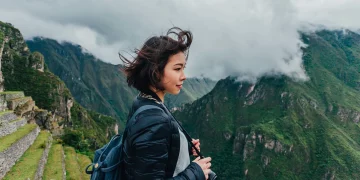









For many, travel is a solo journey of self-discovery, exploration, and adventure. However, one of the most surprising and rewarding aspects of traveling—particularly for backpackers—is the deep friendships that often form along the way. Whether it’s a shared experience on a long hike, a night spent talking in a hostel, or a spontaneous detour that brings two travelers together, the bonds formed during travel can be profound and long-lasting. Backpackers, often living out of their bags, on tight budgets, and far from home, find that the people they meet along the way often become an integral part of their journey. These friendships, forged through shared experiences and mutual understanding, are sometimes the most unexpected and meaningful connections of all.
In this article, we will explore how backpackers from different cultures and backgrounds form deep and lasting friendships during their travels. We’ll discuss the role of shared experiences, the nature of backpacker communities, and the lasting impact these friendships can have on a traveler’s life. By examining the psychology of travel relationships and the unique environment that backpacking creates, we will uncover why the friendships forged on the road often go beyond mere camaraderie to become lifelong bonds.
The Backpacking Community: A Unique Environment for Friendships
One of the most distinctive aspects of backpacking is the sense of community it fosters. Unlike typical vacations where travelers are more likely to remain isolated in hotels or resorts, backpackers tend to gravitate toward shared accommodations, such as hostels, campgrounds, or dormitories, where they have the opportunity to meet and connect with fellow travelers. These spaces are designed for socializing, and they often provide the perfect setting for serendipitous meetings that can evolve into meaningful friendships.
What makes the backpacker community unique is the shared experience of traveling on a budget, embracing spontaneity, and stepping out of one’s comfort zone. Backpackers are typically far from home, navigating unfamiliar cultures, dealing with the unpredictability of travel, and often struggling with language barriers or logistical challenges. In this environment, travelers are more likely to open up, help each other, and bond over their shared vulnerability and excitement.
Whether in bustling Southeast Asian cities or remote mountain villages in South America, hostels, cafés, and even buses become places where connections happen naturally. These encounters, born from shared moments of joy, struggle, or exploration, create a deep sense of camaraderie that can lead to lasting friendships.
The Role of Shared Experiences in Building Friendships
Friendships often form around shared experiences, and for backpackers, these experiences are often amplified by the challenges and surprises of travel. Whether it’s facing a delayed flight together, navigating a difficult trail, or discovering an unknown gem of a location, these shared moments become the foundation of lasting friendships.
Travel, by its very nature, places people in situations where they must rely on others, whether for directions, advice, or simply companionship. Imagine a backpacker traveling through a foreign country, lost and struggling to understand the language. A fellow traveler might step in to help, offering guidance or simply sharing their own experience. In such moments, the bond formed is not just about the logistical assistance but about the shared experience of navigating the unknown together.
For instance, a group of backpackers might set out for a hike to a remote peak. Along the way, they might face unexpected challenges—bad weather, difficult terrain, or a detour that wasn’t planned. It’s in these moments of adversity that travel relationships are often solidified. The physical and emotional intensity of these experiences forms a strong bond between travelers, creating a foundation of trust and mutual respect.
These shared adventures also allow for deep, personal conversations that often do not happen in the fast-paced, superficial nature of everyday life. When travelers spend long hours together, whether hiking, eating, or simply waiting for a bus, they often find themselves discussing topics that go beyond the surface level. These heartfelt exchanges build emotional connections and often lay the groundwork for deep, meaningful friendships.
Backpacker Friendships: Built on Mutual Understanding and Support
Unlike friendships formed in everyday life, backpacker friendships are often built on a foundation of mutual understanding and empathy. The shared challenges and triumphs of traveling often create an environment where travelers are more willing to listen, support, and care for one another.
The emotional and physical exhaustion of traveling, the loneliness of being far from home, and the discomfort of constantly being in unfamiliar places can create a bond between backpackers that feels almost familial. Whether it’s sharing a meal when one of the group runs out of money, helping each other navigate a cultural misunderstanding, or offering a shoulder to lean on after a challenging travel experience, these acts of kindness and support often define backpacker friendships.
In fact, many backpackers form close-knit groups of friends who travel together for extended periods, sometimes across several countries or continents. These travel companions often become some of the closest friends in a backpacker’s life, as they have shared some of the most transformative and challenging moments of their lives. The shared experiences of traveling together create a sense of solidarity and loyalty that often carries over long after the journey ends.
The Role of Technology in Maintaining Backpacker Friendships
In the past, maintaining long-distance friendships formed during travel was often a difficult task. Letters and postcards were the primary means of staying in touch, and it was not uncommon for travelers to lose contact with those they met on the road. However, with the advent of social media and communication apps like WhatsApp, Facebook, and Instagram, maintaining backpacker friendships has become much easier.
Through these digital platforms, travelers can easily keep in touch, share updates, and continue their friendships long after the journey has ended. A group of backpackers who met in Europe, for example, can stay in contact through social media, sharing photos, travel stories, and even planning future trips together. These platforms have also allowed backpackers to continue supporting one another, offering advice, sharing recommendations, or even meeting up again during future travels.
This digital connectivity has further strengthened the backpacking community, making it easier for travelers to remain part of each other’s lives. It’s not uncommon for backpackers who met years ago to plan reunions or cross paths again in a different country. The ease with which friendships can be rekindled through technology has made it possible for backpacker friendships to extend well beyond the duration of the trip itself.
Life-Changing Friendships: From Travel Companions to Lifelong Friends
Some of the deepest and most lasting friendships formed on the road can transcend the bounds of travel itself. While many friendships forged during travel are strong but temporary, some go on to become lifelong connections that continue to shape both individuals’ lives.
For example, a backpacker who travels across South America might meet a fellow traveler who shares similar interests, values, and life goals. What began as a casual meeting in a hostel could evolve into a close friendship that spans years and continents. These friendships, built on shared values and common experiences, can evolve into partnerships, work collaborations, or even long-term living arrangements.
Many backpackers look back on the friendships formed during their travels as some of the most meaningful and impactful relationships in their lives. These friendships not only shape their travels but also their post-travel lives. The people they meet along the way often provide inspiration, motivation, and support as travelers return to their everyday lives, guiding them through significant life transitions, personal challenges, and decisions.

Cultural Exchange and Understanding Through Friendships
One of the most enriching aspects of backpacker friendships is the opportunity for cultural exchange and learning. When people from different countries and backgrounds come together, they bring with them a wealth of perspectives, traditions, and worldviews. Backpacker friendships often serve as a bridge between cultures, offering travelers the opportunity to experience life through the eyes of someone from a completely different background.
Through these friendships, backpackers gain a more nuanced understanding of the world. A backpacker from Europe might form a deep friendship with a traveler from India, learning about each other’s cultures, languages, and traditions. These cultural exchanges not only broaden one’s horizons but also challenge stereotypes and assumptions, fostering empathy and respect for people from different walks of life.
Travel friendships, especially those that are long-lasting, often serve as an antidote to cultural insularity. They remind travelers that the world is a diverse and interconnected place, and that the most meaningful relationships often arise when we take the time to understand and connect with people from different parts of the world.
Conclusion: The Lifelong Impact of Backpacker Friendships
Backpacker friendships, formed in the shared experiences of travel, are among the most special and enduring connections that one can make. They transcend geographical boundaries, cultural differences, and time zones, creating bonds that last far beyond the journey itself. These friendships, built on mutual support, shared adventures, and cultural exchange, are the heart of the backpacking experience. They remind us that travel is not just about the places we visit, but about the people we meet along the way.
In a world that often seems divided, the friendships formed by backpackers on the road offer a reminder of our shared humanity. Through these unexpected and profound connections, travelers gain more than just memories—they gain lifelong companions who will continue to shape their lives long after their journeys have ended.