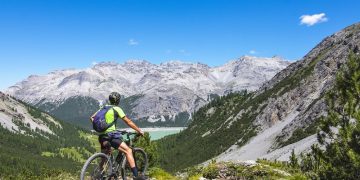









In the past decade, the definition of travel has dramatically shifted from simple sightseeing and relaxation to more immersive and daring experiences. Adventure travel and outdoor activities have taken center stage, with many travelers seeking adrenaline-pumping experiences and opportunities to challenge themselves in some of the world’s most extreme environments. Whether it’s summiting the world’s highest peaks, embarking on multi-day treks through jungles, or diving into deep, unexplored waters, epic adventures are now at the forefront of modern tourism.
This article will explore why this trend toward high-intensity travel is gaining so much traction, the various activities and destinations that cater to adventure travelers, and how these experiences are reshaping the way we travel. From the rise of extreme sports to the allure of the unknown, we will take an in-depth look at what it means to truly experience adventure in today’s world.
1. The Growing Popularity of Adventure Travel
1.1 The Shift Toward Active Exploration
In the past, vacations were often synonymous with relaxation, resort stays, and cultural tours. Travelers would flock to well-known destinations for their iconic landmarks, picturesque landscapes, and historical significance. However, in recent years, the trend has shifted toward more active and physically demanding forms of travel, as modern tourists seek to test their limits and experience the world in a more visceral and engaging way.
Adventure travel is not just about visiting exotic locations; it’s about actively participating in the environment and seeking out challenges. From scaling mountains to rafting through wild rivers, modern travelers crave experiences that push them beyond their comfort zones. In a world where time and experiences are increasingly valued over material possessions, these extreme adventures have become symbolic of personal growth, self-discovery, and a deeper connection with nature.
1.2 The Appeal of Thrill and Adventure
Why do people engage in extreme outdoor activities and adventures? The motivations are as varied as the activities themselves, but there are several key factors that make such experiences so compelling:
- Adrenaline Rush: The physical and mental stimulation that comes from pushing yourself to the limit triggers a surge of adrenaline, offering a natural high and sense of accomplishment.
- Escaping the Ordinary: Many travelers seek adventure as a way to break free from the monotony of daily life. In a world filled with routine and predictability, stepping into the unknown offers a welcome escape.
- Personal Challenge and Growth: Taking on difficult challenges allows travelers to test their own resilience and capabilities. This often leads to personal growth, increasing confidence and a sense of empowerment.
- Connecting with Nature: Adventure activities often take place in some of the world’s most awe-inspiring natural settings. These experiences foster a deep sense of connection to the earth and encourage conservation and environmental stewardship.
- Sense of Accomplishment: Completing an epic journey, such as summiting a mountain or crossing a desert, provides a sense of achievement that is incomparable to traditional forms of travel.
2. Popular Outdoor Activities for the Thrill-Seeker
2.1 Mountaineering and Trekking
One of the most iconic forms of adventure travel is mountaineering. Climbing the world’s tallest peaks or trekking through some of the most remote and rugged terrains offers not only a physical challenge but also a sense of exploration and discovery. Destinations like Mount Everest, Kilimanjaro, and the Himalayas continue to draw travelers who are eager to conquer these formidable landscapes.
2.1.1 Everest Base Camp Trek (Nepal)
For many, the Everest Base Camp Trek is the ultimate dream. Situated at the foot of the world’s tallest mountain, this trek combines incredible scenery, high-altitude challenges, and a spiritual experience. The trek is difficult, but it offers rewards that few other places on Earth can match, including breathtaking views of Everest, Annapurna, and other Himalayan peaks, as well as the opportunity to experience Sherpa culture and hospitality.
2.1.2 Inca Trail (Peru)
Another famous adventure is the Inca Trail to Machu Picchu. This ancient route takes trekkers through the Andes Mountains, crossing rugged terrain and providing a deep dive into Incan history and culture. The trek is known for its difficult conditions, with high altitudes and varying weather, but it is well worth the effort for the incredible reward of standing before the magnificent Machu Picchu.
2.2 Extreme Water Sports and Diving
For those who prefer to explore the world beneath the surface, scuba diving and extreme water sports have become significant components of modern adventure tourism. Whether you’re diving with sharks, exploring shipwrecks, or surfing massive waves, the aquatic world offers countless opportunities for adrenaline junkies.
2.2.1 Great Barrier Reef (Australia)
The Great Barrier Reef is one of the most famous diving destinations in the world. Known for its vibrant coral ecosystems and diverse marine life, the reef attracts divers who are eager to explore its underwater wonders. However, the reef is also home to some of the world’s most challenging dive spots, including deep-sea dives and night dives that offer an entirely different perspective on the reef.
2.2.2 Shark Cage Diving (South Africa)
For those seeking a truly adrenaline-filled experience, shark cage diving in South Africa provides an unforgettable encounter with one of nature’s most fearsome predators. This thrilling activity allows travelers to get up close and personal with great white sharks, witnessing their power and grace from the safety of a submerged cage.
2.3 Desert Adventures and Survival Expeditions
For many, the desert represents one of the most barren and inhospitable environments on Earth. However, this desolate beauty also offers some of the most profound adventures available. From survival expeditions to thrilling off-road adventures, the desert is a land of extremes.
2.3.1 Sahara Desert Trek (Africa)
Crossing the Sahara Desert on foot or by camel is an experience that requires mental fortitude and physical endurance. The vast expanse of sand dunes, the scorching heat, and the extreme isolation provide an opportunity to connect with nature in its rawest form. Survival skills and preparation are key for those taking on this extreme adventure, making it both challenging and rewarding.
2.3.2 Outback Adventures (Australia)
The Australian Outback offers some of the most challenging conditions for adventurers. From long treks through desert landscapes to 4×4 off-road adventures, the Outback is a region that tests the limits of physical endurance and self-reliance. The beauty of the Outback is undeniable, with striking red rock formations, vast plains, and unique wildlife. However, it is a place where explorers must be fully prepared for the elements and the remoteness of the region.
2.4 Jungle Expeditions
The jungle is one of the most mysterious and alluring environments for adventure travelers. From Amazon rainforest expeditions to treks through Southeast Asia, jungles offer diverse wildlife, dense foliage, and the thrill of navigating through the wild.
2.4.1 Amazon Rainforest (Brazil)
Exploring the Amazon Rainforest is a true test of one’s survival skills and ability to adapt to the wild. Adventure seekers can embark on guided jungle treks, kayak through the Amazon River, and observe the incredible biodiversity of one of the world’s most important ecosystems. The Amazon is a place of endless discovery, where every corner holds the potential for new encounters with rare wildlife and unique plants.
2.4.2 Borneo’s Rainforest Treks (Malaysia)
Borneo’s rainforests offer a wealth of opportunities for adventure enthusiasts. From challenging treks through the jungle to climbing Mount Kinabalu, the highest peak in Southeast Asia, the island offers some of the most rugged and breathtaking landscapes. The chance to see endangered species like orangutans and proboscis monkeys in their natural habitats makes the journey all the more rewarding.

3. The Psychological and Physical Benefits of Epic Adventures
3.1 Building Resilience and Confidence
Engaging in extreme outdoor activities is not just about physical strength, but also about developing mental resilience. Travelers who push themselves through physically demanding challenges gain a sense of accomplishment that comes from overcoming adversity. The ability to face fears, navigate tough terrain, and thrive in challenging conditions builds confidence that can extend beyond travel into everyday life.
3.2 Connection with Nature and Environmental Stewardship
Adventurers often find a profound sense of connection with nature, fostering a deep respect for the planet’s natural wonders. Whether trekking through pristine forests or hiking in mountainous regions, outdoor adventures expose travelers to the delicate balance of ecosystems and the importance of conservation. This sense of connectedness often motivates individuals to take an active role in protecting the environment, whether through supporting eco-friendly initiatives or participating in conservation efforts.
4. Conclusion: The Future of Epic Outdoor Adventures
The trend of stepping into thrilling outdoor activities and epic adventures is not just a passing fad. As more travelers seek meaningful, transformative experiences, the demand for adrenaline-pumping activities and immersive exploration continues to rise. Whether through mountaineering, jungle treks, or extreme water sports, modern adventurers are looking for experiences that challenge them both physically and mentally, offering a deeper sense of personal growth and connection with nature.
As technology advances and more destinations become accessible, we can expect even more opportunities for daring travelers to explore the world’s most remote and rugged landscapes. However, with these opportunities comes the responsibility of sustainable travel and environmental stewardship. In the pursuit of adventure, it is crucial that travelers remain mindful of their impact on the environment and take steps to ensure that these pristine locations remain protected for future generations of explorers.
In the end, adventure travel is about more than just the thrill – it’s about discovering new frontiers, testing personal limits, and embracing the beauty and challenges that our world has to offer. It’s a way to break free from the ordinary and experience life in its most exhilarating and awe-inspiring form.