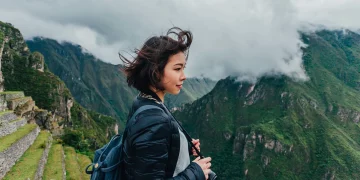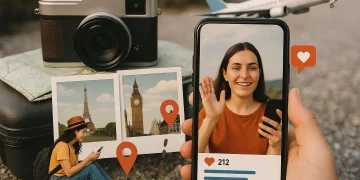





In an era dominated by digital connectivity, sharing travel stories has become an integral part of the travel experience itself. Gone are the days when people kept their travel memories locked away in photo albums or private journals. Today, travelers around the world use a wide variety of platforms—blogs, social media, videos, and even books—to share their personal experiences, discoveries, and reflections with a global audience. This transformation has not only redefined how we document our journeys but has also significantly impacted how we plan our trips, interact with destinations, and build global communities of like-minded explorers.
The act of sharing travel stories, whether it’s through a heartfelt blog post, an Instagram photo, a YouTube vlog, or a published book, has transcended mere storytelling. It’s become a powerful tool for inspiration, education, and connection. In this article, we will delve into the different ways travelers share their stories, the role these platforms play in modern travel, and how they are shaping the future of tourism.
1. The Power of Travel Blogs
1.1 The Rise of Travel Blogging
In the past two decades, travel blogging has evolved from a niche hobby into a significant industry. What started as personal diaries documenting travel experiences has now blossomed into influential platforms that attract millions of readers every month. Travel blogs offer insights into a traveler’s journey, provide helpful tips, and inspire others to explore new destinations.
- Authenticity and Relatability: One of the key draws of travel blogs is their authenticity. Unlike traditional travel guides or corporate tourism websites, personal blogs offer a real, unfiltered perspective on the challenges, joys, and surprises of travel. Bloggers share not only the highlights but also the struggles they face—whether it’s a delayed flight, a language barrier, or the unexpected beauty of a hidden destination.
- Practical Insights: Travel blogs often provide practical advice and resources that can help travelers plan their trips more efficiently. From itinerary suggestions and budget tips to local restaurant recommendations and insider secrets, these blogs are a valuable resource for those seeking firsthand advice from those who have been there and done that.
1.2 Influencers and Niche Niches
The growth of travel blogging has given rise to travel influencers—individuals who have built large followings through their engaging content and personal experiences. These influencers often collaborate with brands, tourism boards, and travel companies to promote destinations or products, creating a symbiotic relationship between the blogger and the industry.
Moreover, as the travel blogosphere has become more saturated, many travelers have found success in catering to niche audiences. For example, some bloggers specialize in eco-travel, offering insights into sustainable tourism, while others focus on luxury travel, solo travel, or adventure travel, providing valuable resources for specific types of travelers.
1.3 The Impact of Travel Blogs on the Travel Industry
The travel industry has increasingly recognized the influence of blogs on travel decision-making. Many travelers now turn to blogs for advice and recommendations, rather than relying solely on traditional travel agencies or review sites.
- Influence on Destination Marketing: Tourism boards and destinations have embraced travel bloggers and influencers as part of their marketing strategies. Many destinations now offer press trips or invite bloggers to write about their experiences, hoping to tap into their established audiences. Blogs have become an important channel for destination marketing, especially for lesser-known or emerging locations.
- Digital Nomadism: The rise of travel blogs has also fueled the rise of the digital nomad lifestyle—people who work remotely while traveling the world. By sharing their experiences and tips, many bloggers have inspired others to pursue this lifestyle and create businesses around their travel adventures.
2. The Role of Social Media in Sharing Travel Stories
2.1 The Social Media Revolution
Social media has redefined the way we share and consume travel stories. Platforms like Instagram, Twitter, Facebook, and TikTok allow travelers to instantly share moments from their trips, offering real-time insights into new destinations. Whether it’s a beautiful sunset over the Grand Canyon or a behind-the-scenes look at a local street food market, social media makes it easy for travelers to document and broadcast their adventures to a wide audience.
- Visual Storytelling: One of the most powerful aspects of social media is its focus on visual storytelling. Platforms like Instagram and TikTok emphasize photos and short videos, which can capture the essence of a destination in just a few seconds. The visual appeal of these platforms makes them ideal for sharing captivating landscapes, vibrant cultures, and unique travel moments.
- Hashtags and Discoverability: Hashtags have revolutionized the way we find content. Travelers often use specific hashtags to categorize their posts, making it easier for others to find and engage with similar content. For instance, hashtags like #Wanderlust, #TravelGoals, and #InstaTravel have become synonymous with the travel community, creating a global conversation around shared experiences.
2.2 The Rise of Travel Influencers on Social Media
Much like travel bloggers, social media influencers have become a significant force in the travel world. By posting stunning images, insightful captions, and engaging videos, these influencers offer travel tips, showcase beautiful destinations, and inspire followers to pursue their travel dreams. Their personal brand and ability to connect with their audience have made them key players in the modern travel industry.
- Brand Partnerships: Travel influencers have formed partnerships with luxury hotels, airlines, and tourism boards, often being compensated for their promotions. These collaborations blur the line between personal storytelling and marketing, leading to a new era of influencer marketing in travel.
- Engagement and Interaction: Social media allows for immediate interaction with followers. Travel influencers can respond to questions, engage in discussions, and offer recommendations in real-time. This level of interaction creates a sense of community and fosters deeper connections between the traveler and their audience.
2.3 The Impact of Social Media on Travel Decisions
Social media has become a key driver of travel decisions, particularly among millennials and Gen Z travelers. Studies show that Instagram and YouTube are among the top platforms for inspiration when it comes to choosing travel destinations. The ability to explore destinations virtually through hashtags, posts, and stories has made social media an essential tool for modern travelers.
- User-Generated Content: Unlike traditional marketing, which often presents a curated, idealized version of a destination, social media provides user-generated content that is more authentic and relatable. Seeing real people share their experiences on social media has made travelers more inclined to visit destinations based on genuine recommendations.
- The “Instagrammable” Destination: With the rise of Instagram, many destinations have become known for their Instagram-worthy landscapes, architecture, and attractions. Travelers now plan trips around the idea of capturing perfect photos, which has led to the phenomenon of Instagrammable tourism.
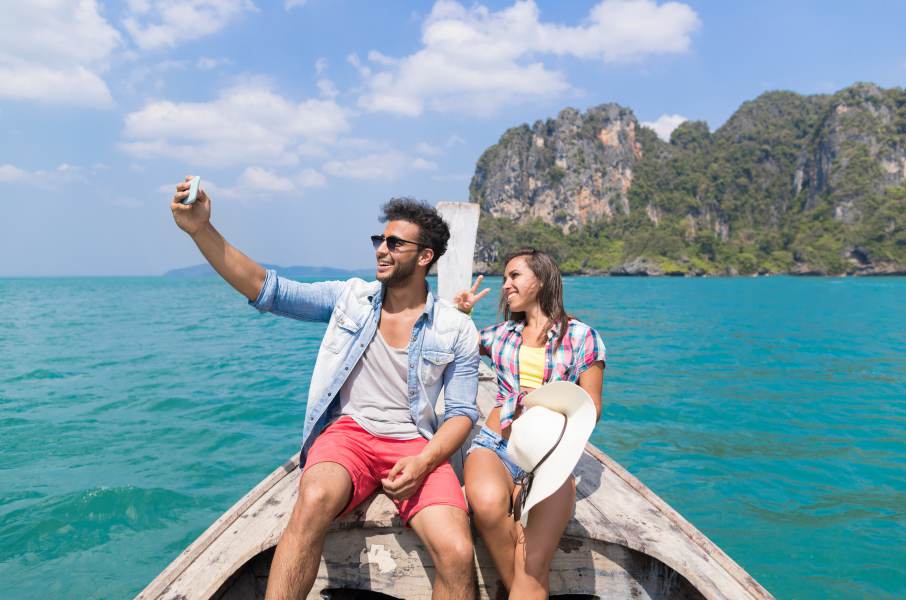
3. The Impact of Videos and Vlogging on Travel Stories
3.1 The Rise of YouTube Travel Vlogs
Alongside blogs and social media, travel vlogs have gained significant traction as a way for travelers to share their stories. With platforms like YouTube, travelers can document their journeys in video form, offering a more dynamic and immersive experience compared to written content or photos.
- Visual Immersion: Travel vlogs offer a dynamic and immersive way to experience destinations. By combining video footage, narration, and music, vloggers can transport viewers to a specific location, providing a visual and auditory experience that is unmatched by other forms of storytelling.
- Behind-the-Scenes Content: Unlike traditional travel documentaries, YouTube vlogs often show the behind-the-scenes aspects of travel—whether it’s struggling to navigate an unfamiliar city or celebrating a milestone. This raw, unpolished content resonates with viewers who seek authenticity and relatability.
3.2 Travel Vlogging Communities
YouTube travel vloggers often build loyal communities around their content. These communities foster a sense of camaraderie among fellow travelers and inspire people to share their own stories. Comment sections, live streams, and collaborations between vloggers also help create an interactive platform for discussions about travel, culture, and experiences.
3.3 The Growth of Virtual Tours and 360-Degree Videos
Another development in the world of travel vlogging is the rise of virtual tours and 360-degree videos. These immersive video formats allow viewers to experience destinations in a highly interactive way, simulating the feeling of physically being there. This form of vlogging has opened up new avenues for travel content creation, making it possible for viewers to “travel” from their homes.
4. The Enduring Appeal of Travel Books
4.1 Travel Literature: A Timeless Tradition
While blogs, social media, and videos have revolutionized how travel stories are shared, travel literature remains one of the most enduring and beloved ways to document and reflect on journeys. From the classic works of Paul Theroux and Bill Bryson to the modern-day travel memoirs and guidebooks, books have provided deep, thoughtful insights into the world of travel for centuries.
- In-Depth Exploration: Travel books allow for an in-depth exploration of destinations, cultures, and personal reflections. Unlike social media posts or blogs, books often offer the space for deeper narratives, nuanced observations, and philosophical musings on the nature of travel itself.
- Cultural Context: Many travel books place a strong emphasis on the cultural and historical context of the destinations explored. These works encourage readers to think critically about travel and its impact on both the traveler and the places they visit.
4.2 The Future of Travel Books
Despite the rise of digital content, the travel book remains a timeless treasure. As ebooks, audiobooks, and self-publishing platforms grow in popularity, more travelers are documenting their journeys in book form, offering a lasting legacy of their adventures.
Conclusion
The ways in which travelers share their stories have evolved dramatically in recent years. Whether through blogs, social media posts, travel videos, or books, the act of documenting and sharing travel experiences has become an integral part of the modern travel landscape. These platforms not only inspire and educate but also foster a global community of travelers who seek to explore, learn, and grow through their shared stories. In a world where connectivity and exploration intersect, the importance of sharing travel stories will only continue to grow, allowing future generations of travelers to find meaning, inspiration, and connection in their journeys.