








Extreme adventure activities—whether scaling towering mountains, traversing dense jungles, or diving into the deep blue sea—are not just tests of skill and courage; they are also opportunities to build lifelong memories and develop deep bonds. While the allure of adventure might make one imagine the solitary thrill of conquering nature’s challenges, the truth is that many extreme sports and activities are best enjoyed with a partner. Whether it’s for safety, camaraderie, or the shared joy of accomplishment, having a companion during these high-risk, high-reward activities can make all the difference.
In this article, we explore the various reasons why extreme adventure activities are often better with a partner, discuss how working together can enhance safety and enjoyment, and highlight the key benefits of having a trusted companion by your side when taking on the world’s most exhilarating challenges.
1. The Essential Role of a Partner in Extreme Adventure
1.1 Safety First: Reducing Risks and Enhancing Survival
Safety is paramount in any adventure, especially in extreme sports. Whether you are climbing a mountain, bungee jumping, or whitewater rafting, the risks involved can be daunting. Having a partner can significantly reduce these risks and increase the likelihood of a safe and successful experience.
- Mutual Monitoring: When engaging in extreme activities, it is crucial to be vigilant and constantly assess your environment, equipment, and physical state. With a partner, you can keep an eye on each other’s well-being, ensuring that nothing goes unnoticed. For example, while climbing, one partner can secure the ropes, while the other focuses on navigating the route. This system of mutual observation provides a critical safety net.
- Emergency Response: In case of an accident, whether it’s a fall, injury, or equipment failure, having a partner is invaluable. You are not only able to respond more effectively to emergencies but can also provide immediate physical and emotional support. In many adventure activities like mountaineering or kayaking, where rescue might take hours or even days, having someone with you can be the difference between life and death.
- Shared Responsibility: Extreme sports often come with complex planning and preparation. From checking equipment to assessing weather conditions, having a partner helps divide the responsibility. This allows both individuals to stay alert and engaged in the process, rather than being overwhelmed by the sheer scale of the adventure.
1.2 Reducing Mental Stress and Enhancing Focus
Extreme adventures are mentally demanding. The physical effort required, combined with the pressure of dealing with unpredictable environments, can cause stress, fatigue, and even fear. Having a partner can greatly ease this mental burden and help maintain focus throughout the experience.
- Psychological Support: Extreme activities often push individuals to their limits, and the mental aspect can be as taxing as the physical. A partner can provide psychological support, offering encouragement, guidance, and a sense of reassurance during moments of doubt. Whether it’s navigating a treacherous path on a trail or making a daring jump during a skydiving session, knowing there is someone with you can reduce anxiety and enhance confidence.
- Shared Decision-Making: Many extreme activities require split-second decision-making. Having a partner allows for collaborative decision-making, where you can discuss risks, assess alternatives, and choose the best course of action together. This collaborative approach often leads to better outcomes and helps mitigate the uncertainty that comes with high-risk activities.
2. Building Stronger Bonds Through Shared Experiences
2.1 The Power of Shared Adventure
There is something uniquely powerful about experiencing extreme activities together. These adventures often involve challenging conditions, unpredictable situations, and moments of exhilaration—experiences that bond people in a way that few other activities can. Whether it’s pushing each other to summit a mountain or celebrating after completing a difficult trail, the memories forged in these high-stakes environments often result in stronger, more meaningful relationships.
- Endorphin Rush: Engaging in physical challenges releases endorphins—hormones that promote feelings of happiness and achievement. When experienced together, these endorphins can bond partners, whether they are friends, family members, or romantic partners. Sharing these moments can deepen the connection and create lasting emotional memories.
- Overcoming Obstacles Together: The nature of extreme adventure means that obstacles and setbacks are inevitable. Whether it’s an unexpected weather change or an unforeseen physical barrier, tackling challenges as a team fosters a sense of mutual support and resilience. Overcoming difficulties together in extreme environments often leads to a deep sense of accomplishment and pride, strengthening the partnership.
- Celebrating Successes: Completing an extreme activity is a massive achievement, and having someone by your side to share in the celebration makes the success even more rewarding. The sense of camaraderie that comes from achieving a goal together, whether it’s a summit or a rafting run, makes the victory that much sweeter.
2.2 Developing Teamwork and Communication Skills
Extreme adventure activities often require participants to work together seamlessly. From synchronized movements during rock climbing to coordinated paddling in kayaking, teamwork is essential for success. A partner can help develop these skills, which are transferable to other areas of life, including personal relationships and professional environments.
- Trust and Communication: In high-risk activities, trust and clear communication are vital. Having a partner means relying on one another for both safety and guidance. This builds a deeper level of trust as both individuals learn to depend on each other’s judgment and actions. Effective communication in these high-stress environments helps prevent errors and ensures that both partners are aligned in their approach to the activity.
- Problem-Solving Together: Whether dealing with technical challenges, navigating difficult terrain, or improvising in the face of unexpected obstacles, having a partner allows for more effective problem-solving. Extreme sports often present situations where creative solutions are required, and two minds are better than one. A partner can offer new perspectives, ideas, and solutions to challenges that arise during the adventure.
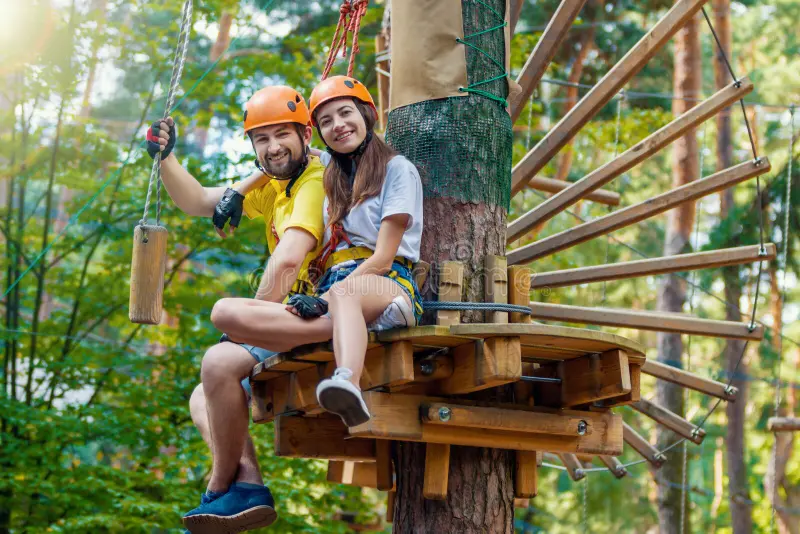
3. Extreme Adventure Activities That Are Best Done With a Partner
3.1 Mountaineering and Rock Climbing
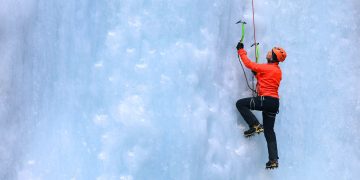
Mountaineering is one of the quintessential extreme sports where the value of a partner cannot be overstated. From the planning stages to the actual ascent, having a partner is necessary for safety and success. Climbing often requires the use of ropes, carabiners, and other technical equipment, all of which are easier and safer when used by two people working together.
- Belaying: In rock climbing, belaying is a critical skill where one partner manages the rope to catch the other in case of a fall. This requires excellent communication and coordination, ensuring both climbers can ascend safely.
- Mountain Rescue: In mountaineering, when conditions change rapidly or climbers face physical challenges, a partner’s assistance becomes crucial. In many situations, a partner can help with a rescue or evacuation, offering life-saving support if needed.
3.2 Skydiving and Paragliding
While both skydiving and paragliding are often done solo, tandem jumping with a trained professional or a partner can make these extreme activities significantly safer and more enjoyable. For beginners, tandem skydiving allows participants to experience the thrill of freefall while being guided by an experienced partner. This takes away the stress of navigation and ensures a safe landing.
- Shared Thrill: Sharing the adrenaline rush of freefalling or gliding through the sky with a partner is an exhilarating experience that deepens the emotional connection between individuals. The shared sense of awe and exhilaration creates a bond that is difficult to replicate in any other setting.
3.3 Whitewater Rafting and Kayaking
Navigating a whitewater river or tackling rapids in a kayak is inherently dangerous, especially when the river is turbulent or the waters are unpredictable. In these activities, having a partner allows for better coordination and greater safety. The teamwork required to steer the raft or kayak through challenging conditions can be the key to success.
- Paddling in Sync: When rafting, the ability to paddle in unison with a partner is essential for maintaining control and navigating the rapids. Communication and teamwork are key to ensuring that both paddlers are coordinated and effective in their efforts.
- Safety During Rapids: In kayaking or rafting, there’s always a chance of tipping over or being thrown into the water. Having a partner ensures that someone can help you back into the boat or raft if necessary, offering immediate assistance in a potentially dangerous situation.
4. The Joy of Shared Experiences and Future Adventures
4.1 Strengthening Friendships and Relationships
The thrill of extreme adventures is often magnified when shared with a partner. Whether the bond is that of friendship, family, or romantic partners, extreme sports create lasting memories that further solidify the relationship. Shared experiences forge a connection that can deepen over time, as partners recall the excitement, challenges, and triumphs they encountered together.
4.2 Planning Future Adventures
Once you’ve experienced the adrenaline and camaraderie of extreme sports with a partner, it often sparks the desire to take on even more daring challenges together. Whether it’s a new climbing expedition, a different rafting route, or a cross-country trek, the shared bond formed during one adventure sets the foundation for many more to come.
Conclusion
Extreme adventure activities are not only about pushing physical limits and overcoming challenges; they are also about the shared moments of joy, fear, triumph, and camaraderie. Whether it’s for safety, teamwork, or the shared thrill of conquering nature, having a partner by your side enhances the experience, making it more meaningful and enriching.
The next time you set out for an extreme adventure, consider the value of sharing that experience with a trusted companion. Together, you can face challenges, celebrate victories, and forge a bond that transcends the activity itself.