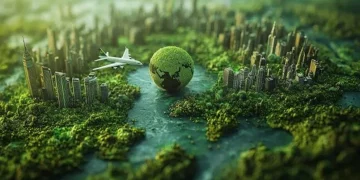









In the wake of global challenges such as the COVID-19 pandemic, the travel industry saw an unprecedented shift, with international borders closing, flight cancellations becoming the norm, and people seeking alternative ways to explore the world. In this new environment, virtual travel emerged as a groundbreaking solution. As technology has advanced, virtual travel experiences have become more immersive, interactive, and accessible than ever before. This phenomenon allows people to explore distant lands, famous landmarks, and natural wonders from the comfort of their own homes.
But what exactly is virtual travel? How does it work, and what are the potential benefits and drawbacks? As we explore this emerging trend, we will delve into the world of virtual tourism, its impact on the travel industry, and its potential to transform the way we experience and appreciate the world.
1. The Rise of Virtual Travel: From Concept to Reality
1.1 Defining Virtual Travel
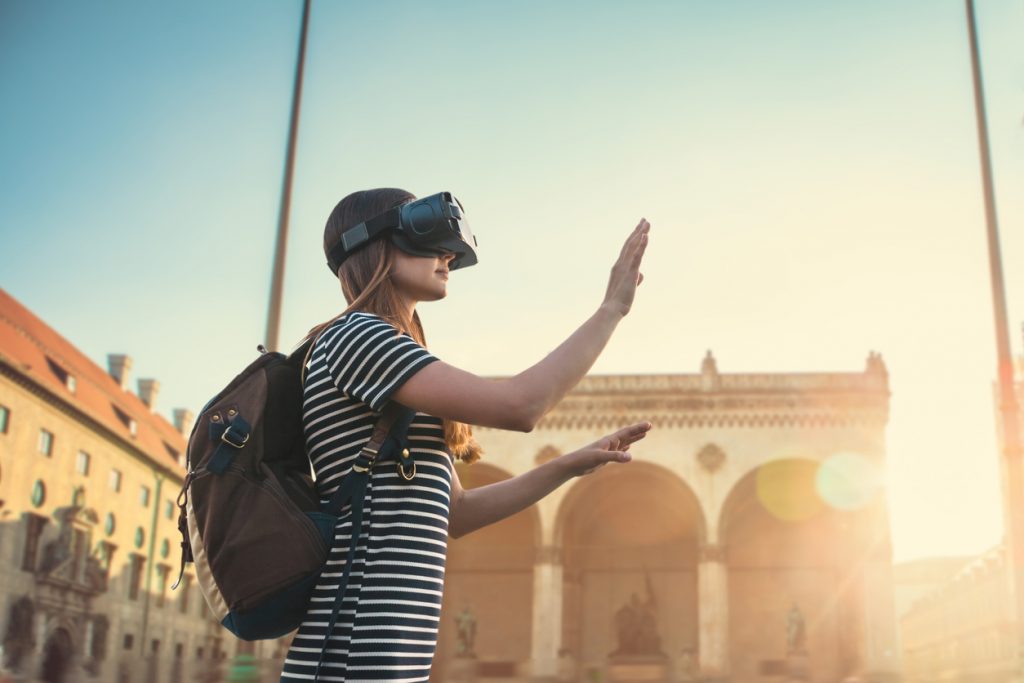
Virtual travel is an immersive digital experience that allows users to explore destinations through virtual reality (VR), 360-degree videos, or interactive online tours. With the aid of advanced technologies, virtual travel gives users the sensation of “being there,” even though they are miles away. Whether it’s wandering through the ancient streets of Rome, watching a sunset in Santorini, or exploring the Great Barrier Reef, virtual travel offers a window into the world’s most stunning destinations.
While virtual travel isn’t a new concept, recent advances in VR technology, augmented reality (AR), and high-definition streaming have made these experiences more realistic and engaging. Unlike traditional travel, where the journey is limited by geography, time, and budget, virtual travel has removed these barriers, allowing anyone with an internet connection to “visit” places they might never have the opportunity to explore.
1.2 Technological Advancements Making Virtual Travel Possible
The development of virtual travel experiences can be attributed to several technological advancements:
- Virtual Reality (VR): VR headsets, such as the Oculus Rift, HTC Vive, and PlayStation VR, enable users to experience a fully immersive world. These headsets create a 360-degree, 3D environment, allowing travelers to explore locations as though they were physically present.
- 360-Degree Videos: 360-degree cameras capture panoramic images or videos, allowing viewers to look in all directions. When combined with platforms like YouTube or Facebook, these videos provide an interactive, yet less immersive, travel experience compared to VR.
- Augmented Reality (AR): AR technology superimposes digital elements onto the real world. While still in its early stages in travel, AR apps allow users to explore famous landmarks with additional layers of information, providing an interactive and educational experience.
- Live Streamed Tours: Some tour companies offer live-streamed travel experiences, where users can watch real-time broadcasts of tours guided by a local expert. These tours often include live interactions, allowing users to ask questions and engage with their surroundings.
2. Benefits of Virtual Travel
2.1 Accessibility for All
One of the most significant advantages of virtual travel is its accessibility. Not everyone has the means to travel—whether due to physical limitations, financial constraints, or other factors. Virtual travel levels the playing field, making it possible for individuals of all backgrounds to explore places they would never have had access to otherwise.
- Physical Limitations: For people with mobility issues or those living with chronic illnesses, traditional travel can be physically demanding or outright impossible. Virtual travel offers a solution, enabling individuals to explore the world without the need for long-haul flights, difficult terrain, or exhausting travel logistics.
- Financial Barriers: Traveling internationally can be expensive, with costs related to flights, accommodations, meals, and activities. Virtual travel eliminates these costs, making it accessible to a wider audience. Virtual experiences are often far less expensive than traditional travel, and some are even free.
2.2 Preservation of Cultural Heritage
In addition to providing a unique opportunity for exploration, virtual travel has the potential to play a significant role in preserving cultural heritage. Many historical sites, monuments, and natural wonders are at risk due to the effects of climate change, over-tourism, and urbanization. Virtual tourism allows for the documentation and preservation of these locations, ensuring that they can still be visited and appreciated long after physical access becomes impossible.
For example, iconic sites like the Machu Picchu or the Pyramids of Giza have faced the threats of overcrowding, weathering, and environmental degradation. Virtual tours offer a way for people to “visit” these locations while reducing the environmental impact of traditional tourism.
2.3 Education and Awareness
Virtual travel is also an incredibly powerful educational tool. It allows users to immerse themselves in the history, geography, and culture of a place without leaving their homes. Teachers can use virtual travel experiences in classrooms to engage students in new ways, enhancing their understanding of diverse cultures and global issues.
- Virtual Field Trips: Schools are increasingly using virtual tours as part of their curriculum, offering students a way to experience historical landmarks, art galleries, museums, and UNESCO World Heritage Sites without ever stepping foot outside the classroom.
- Cultural Understanding: By virtually visiting different parts of the world, individuals gain insights into the daily lives, customs, and traditions of people from other cultures, fostering a deeper sense of empathy and understanding.
2.4 Sustainable Travel
The rise of virtual travel could potentially help reduce the environmental impact of traditional tourism. Traveling by air, for example, produces significant carbon emissions, and the transportation infrastructure needed to support large numbers of tourists contributes to overdevelopment, waste, and pollution. By embracing virtual travel, we can mitigate these negative effects and allow people to explore the world in a more sustainable way.
Virtual travel also alleviates the strain on popular tourist destinations. By providing a digital alternative to physically visiting certain sites, virtual tourism could help ease overtourism, preserving both the environment and the cultural integrity of these destinations.
3. Challenges of Virtual Travel
While virtual travel offers numerous benefits, there are several challenges that need to be addressed in order for it to become a mainstream form of exploration.
3.1 The Lack of Physical Sensory Experience
One of the main limitations of virtual travel is that it lacks the sensory elements that come with physical travel. While VR can simulate sight and sound, there is no way to replicate the tactile experience of touching the walls of an ancient castle, feeling the breeze on your face during a hike, or tasting local delicacies. These sensory experiences are integral to traditional travel and contribute significantly to the sense of adventure and discovery.
3.2 Limited Interaction with Locals
Another challenge of virtual travel is the absence of authentic, real-world interaction with locals. Meeting people from different cultures, learning from their experiences, and engaging in conversations are some of the most rewarding aspects of traveling. Virtual travel, while immersive in terms of visuals, does not offer the same personal connections or the opportunity to learn directly from locals.
3.3 Technological Barriers
Despite the impressive strides in VR and AR technologies, virtual travel is still limited by the accessibility of technology. High-quality VR headsets, while more affordable than ever, can still be expensive for some users. Additionally, not everyone has the technical knowledge or infrastructure to set up and fully enjoy these immersive experiences.
Moreover, while 360-degree videos and online tours are accessible to most people, they don’t provide the same level of immersion as VR. To enjoy a truly immersive experience, travelers need access to cutting-edge devices and high-speed internet connections.
4. The Future of Virtual Travel
4.1 Integration with AI and Personalized Experiences
Looking forward, the integration of artificial intelligence (AI) and machine learning could make virtual travel experiences even more personalized and interactive. AI could analyze a traveler’s preferences and customize virtual trips based on their interests, guiding them through specific locations, activities, or even offering personalized commentary based on their preferences.
4.2 Hybrid Travel: Combining Virtual and Physical Exploration
One potential future trend in travel is the rise of hybrid travel experiences, where travelers can combine physical exploration with virtual enhancements. For example, after visiting a historical site, travelers could use VR to view the site as it looked in its prime, adding a layer of historical context to their journey. This could deepen the understanding of the destination and offer a richer travel experience.
4.3 Virtual Travel as a Supplement, Not a Replacement
While virtual travel may never completely replace physical travel, it has the potential to act as a complementary experience. It could provide individuals with the opportunity to “preview” destinations before deciding to visit in person, giving them a better sense of what to expect and enhancing their travel planning. Furthermore, virtual travel could become a tool for post-trip reflection, allowing travelers to revisit their favorite moments from their journeys.
Conclusion
Virtual travel is more than just a passing trend—it’s a revolutionary shift in how we experience the world. It offers unparalleled accessibility, sustainability, and educational value, allowing individuals to explore the planet without leaving home. While it may never fully replace the joy of actual travel, it provides a unique and valuable alternative, especially in times when physical travel may not be feasible.
As technology continues to evolve, virtual travel will likely become even more immersive, interactive, and integrated into our daily lives. Whether for educational purposes, exploration, or simply satisfying our curiosity about distant lands, virtual travel is here to stay, changing the way we connect with the world and the people in it.