









Traveling to a foreign country is not merely a physical journey from one place to another; it is a profound expedition into unfamiliar ways of life, perspectives, and belief systems. For most travelers, encountering differences in habits, social norms, and core values is inevitable. These cultural shocks—whether small or dramatic—frequently leave the most lasting impressions, shaping not only the way travelers perceive the world but also how they understand themselves. Indeed, it is often the moments of disorientation, surprise, or even discomfort that become the stories we recount long after our journeys have ended.
This article delves into the myriad ways in which travelers encounter shocks in habits and beliefs abroad, why these experiences are so impactful, and how they contribute to personal growth and global understanding. By examining examples from diverse regions, psychological and sociological perspectives, and the transformative effects of these experiences, we will uncover why these moments often become the most memorable aspects of travel.
The Nature of Cultural and Habitual Shocks
Cultural shock encompasses the emotional and psychological disorientation that arises when individuals confront practices, habits, or values that are significantly different from their own. These shocks may occur in a variety of contexts: social interactions, dining etiquette, religious practices, personal space norms, or even the pace of daily life. The human brain relies heavily on patterns and familiar structures; when these patterns are disrupted, it can trigger both fascination and discomfort.
For instance, travelers from countries with highly individualistic societies may find the collectivist practices of certain Asian or Latin American communities striking. In Japan, public spaces are maintained with meticulous attention to order and hygiene, and communal etiquette—such as bowing or silence on public transport—can feel unfamiliar yet fascinating to outsiders. Similarly, in many Mediterranean cultures, the extended family plays a central role in daily life, and travelers may initially be surprised by the intensity of familial bonds or the expectation of collective decision-making.
These experiences challenge travelers to reconsider what they take for granted, often prompting deep reflection on personal beliefs, values, and assumptions. The clash between familiar and foreign habits is not just a source of amusement or confusion; it is an educational encounter that encourages cognitive and emotional growth.
Everyday Habits and Their Surprising Differences
The most striking cultural shocks often emerge in seemingly mundane routines. What may appear ordinary to locals can be entirely unexpected—or even perplexing—to travelers. These differences extend to a variety of domains:
- Dining Etiquette: In some cultures, meals are communal and involve elaborate rituals, while in others, efficiency and individual servings prevail. For example, in Ethiopia, sharing injera (a type of flatbread) and eating with one’s hands is both a practical and symbolic act of community. Travelers unaccustomed to this practice often find themselves learning new eating techniques while gaining appreciation for the cultural significance behind the habit.
- Time Perception: While punctuality is a central value in many Northern European societies, other cultures approach time with a more fluid mindset. In countries such as Mexico or India, the concept of time often prioritizes social interaction over rigid schedules, creating both confusion and opportunity for travelers to adapt to alternative rhythms of life.
- Communication Styles: High-context versus low-context communication presents another area of difference. Some cultures rely heavily on non-verbal cues, implicit understanding, and indirect language, whereas others value explicit, direct communication. Travelers may initially misinterpret politeness for evasiveness or brevity for rudeness.
- Gender Roles and Social Expectations: Social norms around gender, authority, and hierarchy vary widely. For example, in certain Middle Eastern countries, public gender segregation may surprise travelers from egalitarian societies, prompting reflection on the interplay between cultural tradition and personal freedom.
Each of these differences—though sometimes minor in isolation—accumulates into a complex tapestry of new experiences that challenge travelers’ assumptions about the world.
Cognitive and Emotional Reactions to Habits and Beliefs Abroad
Encounters with unfamiliar customs or beliefs often provoke a mixture of cognitive and emotional responses. Scholars studying cross-cultural psychology note several common reactions:
- Surprise and Curiosity: Initial exposure to a new practice often evokes fascination. Travelers may find themselves intrigued by behaviors they cannot immediately comprehend, leading to a desire to learn more.
- Discomfort or Frustration: Discrepancies between habitual expectations and local customs can trigger stress or confusion. Feeling out of place in small daily routines—such as using unfamiliar public transport systems or navigating different greetings—can heighten anxiety.
- Reflection and Re-Evaluation: Many travelers respond to these experiences by questioning their own cultural norms. Why do we shake hands instead of bowing? Why do we prioritize speed over relationship-building? Such reflection is often the seed of personal growth and empathy.
- Adaptation and Integration: Over time, travelers often find themselves adopting elements of the local lifestyle, whether consciously or unconsciously. This process of adaptation reflects the human capacity for cultural flexibility and contributes to a richer, more nuanced understanding of global diversity.
Memorable Experiences Arising from Cultural Differences
While every traveler encounters habits and beliefs different from their own, some experiences stand out as particularly memorable. These moments often combine novelty, challenge, and emotional resonance:
- Participating in Local Festivals: Festivals often embody the essence of a culture’s values and history. Travelers who join in Holi celebrations in India, Carnival in Brazil, or the Lunar New Year in China may initially feel disoriented by unfamiliar rituals, yet the vibrancy, joy, and communal energy leave lasting impressions.
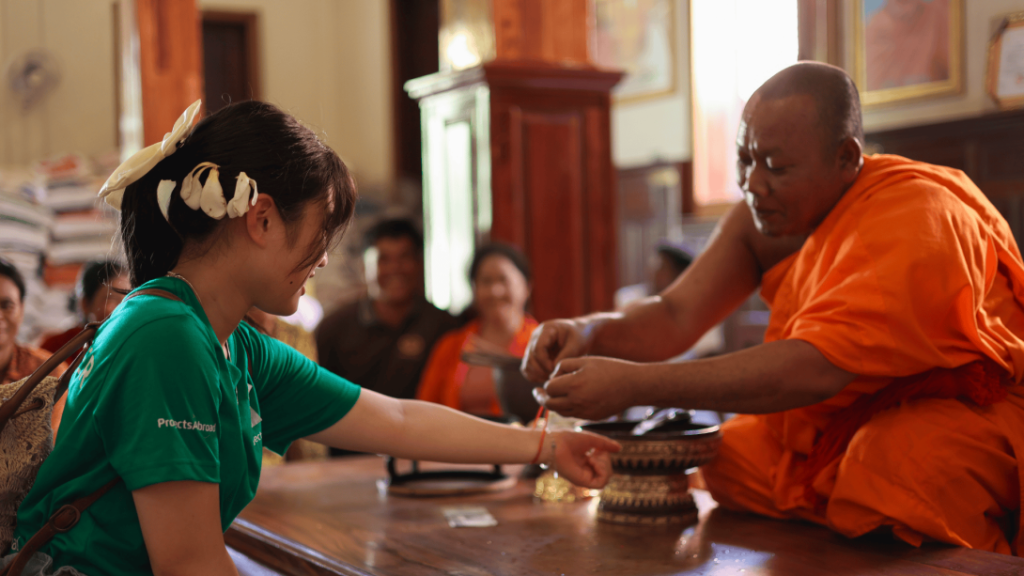
- Engaging in Religious or Spiritual Practices: Observing or participating in local religious rituals offers insight into deeply held beliefs. Travelers may attend Buddhist meditation sessions in Thailand, Catholic processions in Spain, or Islamic prayers in Morocco. These experiences, while sometimes unfamiliar or uncomfortable, often inspire profound reflection on spirituality and human devotion.
- Navigating Daily Interactions: Even small encounters—such as haggling in markets, negotiating taxi fares, or engaging in polite conversation with strangers—can become memorable due to the insights they provide into cultural priorities, social etiquette, and human connection.
Personal Growth Through Exposure to Cultural Differences
The shocks of encountering new habits and beliefs are not merely entertaining anecdotes—they are catalysts for personal growth. Travelers frequently report several transformative outcomes:
- Enhanced Empathy: Experiencing life from another cultural perspective fosters understanding and compassion. Travelers learn to appreciate the circumstances and histories that shape others’ behaviors.
- Flexibility and Resilience: Adapting to unfamiliar norms requires patience and problem-solving skills. These capabilities extend beyond travel, benefiting professional, social, and personal aspects of life.
- Broadened Worldview: Exposure to alternative ways of thinking challenges ethnocentric perspectives. Travelers often return home with a more nuanced, global outlook, recognizing that no single culture has a monopoly on wisdom or ethical practice.
- Strengthened Identity: Ironically, encountering cultural differences often clarifies one’s own values. Travelers reflect on what aspects of their identity they wish to maintain or adapt, leading to a more intentional and self-aware approach to life.
Overcoming Challenges and Misunderstandings
Cultural shocks can sometimes lead to misunderstandings or conflicts. Travelers may unintentionally offend locals or misinterpret actions due to differing customs. However, these moments can be reframed as learning opportunities:
- Active Observation: Paying attention to non-verbal cues, social rituals, and context helps travelers navigate unfamiliar habits.
- Open Communication: Asking respectful questions and expressing curiosity demonstrates humility and willingness to learn.
- Patience and Tolerance: Accepting that misunderstandings are part of the journey allows travelers to engage more deeply without judgment.
By embracing these strategies, travelers not only avoid potential conflicts but also deepen their appreciation for cultural complexity.
Lasting Impact of Cultural Shocks
Years after a trip, travelers often recall not the familiar tourist attractions but the moments of cultural dissonance. Learning to navigate a marketplace in Marrakesh, realizing the significance of tea ceremonies in Japan, or witnessing communal rituals in West Africa often remain vivid in memory. These experiences shape storytelling, relationships, and even career choices. Many travelers pursue cross-cultural studies, international careers, or volunteer work inspired by the lessons learned abroad.
The most memorable moments are not always the easiest—they are the ones that challenge comfort zones, disrupt assumptions, and invite deep reflection. They remind travelers that the world is rich, diverse, and often complex, requiring humility, curiosity, and respect to navigate fully.
Conclusion: Embracing the Unfamiliar
Every traveler who journeys abroad encounters shocks in habits, customs, and beliefs. These experiences—while sometimes confusing or uncomfortable—are often the most memorable and transformative parts of travel. They teach empathy, patience, flexibility, and global awareness. More than sightseeing or photography, these encounters allow travelers to truly engage with the living cultures they visit, creating lasting impressions that extend far beyond the trip itself.
The beauty of travel lies in these moments of disorientation and discovery. By embracing the unfamiliar and opening ourselves to new perspectives, we not only understand the world more deeply but also learn more about ourselves. Cultural shocks, rather than obstacles, are gateways to meaningful experiences, lifelong learning, and profound personal growth.