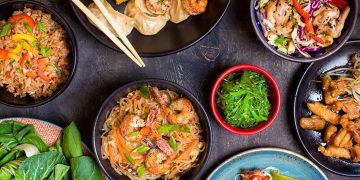









Food is more than just sustenance; it is deeply intertwined with cultural identity, values, and traditions. The food we eat reflects who we are, where we come from, and the history that has shaped us. Throughout history, food has been a powerful symbol of community, family, and identity. However, when people from different cultures interact, their culinary practices, traditions, and eating habits can clash, creating both moments of culture shock and opportunities for cross-cultural exchange.
In a globalized world, food has become a medium for understanding and negotiating cultural differences. As people travel, migrate, or move between regions, food customs often serve as one of the first areas where cultural differences become apparent. The clash of food traditions—in which ingredients, cooking techniques, and mealtime rituals differ significantly—can lead to feelings of discomfort, confusion, or even admiration.
This article explores the intricate relationship between food and cultural traditions, examining the challenges and growth that emerge when food customs from different cultures collide. From the impact of globalization on local food cultures to the emotional connections we have with our culinary practices, we will explore how food can serve as both a source of tension and a bridge for greater understanding.
Chapter 1: The Role of Food in Cultural Identity
1.1 Food as a Reflection of Culture
Food is arguably the most tangible expression of a culture’s values, beliefs, and history. In each society, food has evolved over centuries, shaped by geography, climate, religion, and social practices. From the spicy curries of India to the sushi of Japan and the pasta of Italy, each cuisine offers a glimpse into the life and worldview of its people.
Food traditions often tell stories about migration, trade, and historical events. For instance, the introduction of rice to Europe, or the spread of the potato from the Americas to Europe and Asia, profoundly impacted global food systems. In many ways, the food we eat today is a direct result of centuries of cultural exchange, exploration, and colonization.
However, food also serves a symbolic role in maintaining cultural identity. Many traditional dishes are associated with specific festivals, religious ceremonies, and family gatherings. These rituals connect individuals to their cultural heritage, preserving the food-related customs passed down through generations. In this sense, food is a living tradition that not only sustains the body but also nourishes cultural memory and continuity.
1.2 The Emotional and Social Importance of Food
Food is inherently social and emotional. It brings people together, strengthens bonds, and forms the foundation of many social rituals. Whether it’s a family meal, a wedding banquet, or a holiday feast, food plays a central role in expressing love, gratitude, and community.
Across cultures, the act of sharing a meal represents more than just eating; it is about connecting, celebrating, and showing respect. In many cultures, the preparation and consumption of food are sacred, with special meals marking important life events and milestones. The foods associated with these celebrations often carry deep emotional significance, representing family legacy, love, and nostalgia.
As such, food becomes not just a reflection of culture but an expression of individual and collective identity. When cultures come into contact with each other, these emotional and social attachments to food can become sources of tension, particularly if one culture’s culinary practices are perceived as foreign, strange, or unpleasant.
Chapter 2: The Impact of Globalization on Local Food Practices
2.1 The Rise of Global Cuisine
In recent decades, globalization has transformed food cultures around the world. The rise of international trade, mass migration, and technological advances in transportation have facilitated the movement of ingredients, recipes, and cooking techniques across borders. As a result, many cuisines have become more global, with restaurants serving sushi, tacos, and pizza found in cities worldwide.
The globalization of food has both positive and negative consequences. On one hand, it has enriched local cuisines by introducing new ingredients and flavors. Many people around the world now have access to a wider variety of foods, and the global culinary exchange has created fusion cuisines that combine elements of different cultures.
However, this global interconnectedness has also led to the erosion of traditional food practices. In many cases, local food cultures have been supplanted by the popularity of fast food chains, processed foods, and mass-market versions of international dishes. The spread of American fast food chains like McDonald’s and Starbucks across the world has led to concerns about the uniformity of global food culture and the loss of culinary diversity.
Moreover, globalization has brought a new set of challenges in the preservation of indigenous food practices. In many developing countries, traditional farming practices and cooking methods are being replaced by industrial agriculture and processed food production. This shift can lead to the loss of local food knowledge, the disappearance of heirloom crops, and a decline in the healthfulness of diets.
2.2 Cultural Appropriation of Food
As food cultures cross borders, questions of cultural appropriation arise. Cultural appropriation refers to the adoption or use of elements of one culture by members of another, often without understanding or respect for its cultural significance. In the case of food, this can occur when dishes from marginalized or indigenous cultures are commercialized or altered by people outside of that culture for profit, without recognition of the cultural context from which they originate.
The appropriation of food can result in the simplification, misrepresentation, or stereotyping of a culture’s culinary practices. For instance, Mexican cuisine in the United States is often reduced to a limited set of ingredients and recipes, such as tacos or burritos, which may bear little resemblance to the regional variations of Mexican food.
Such appropriation can also lead to cultural commodification, where food becomes a product to be consumed for novelty rather than as a reflection of cultural heritage. This not only diminishes the cultural value of the food but also can perpetuate harmful stereotypes about the people whose culinary traditions are being commodified.
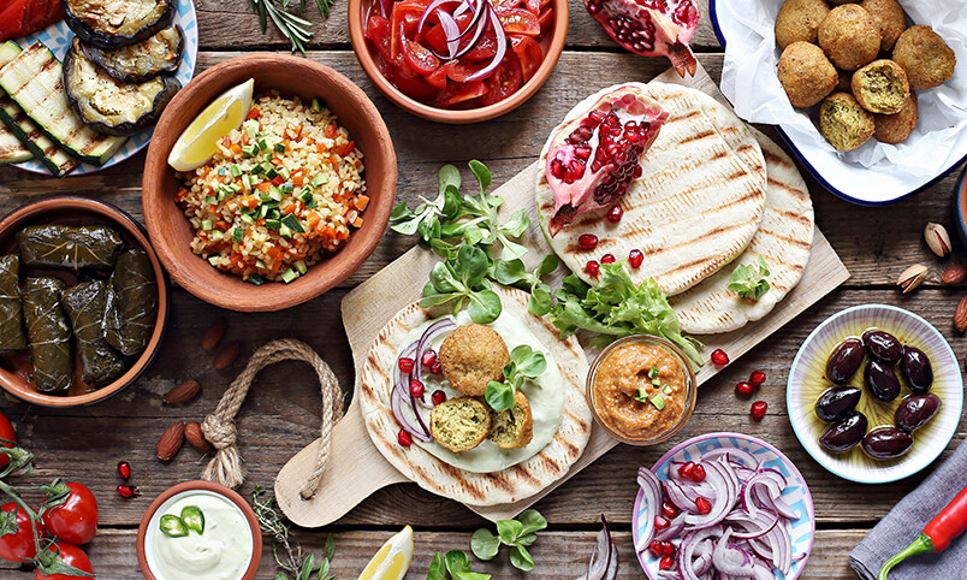
Chapter 3: Cultural Clashes in Food Traditions
3.1 Food as a Source of Culture Shock
When individuals from different cultural backgrounds interact, food often becomes one of the most noticeable areas of difference. Whether it’s a business trip, a study abroad experience, or a move to a new country, encountering unfamiliar foods can be a source of culture shock. For many, the first encounter with unfamiliar ingredients or eating customs can be jarring, leading to feelings of discomfort, curiosity, or even repulsion.
The smell, texture, and presentation of food vary dramatically across cultures, and what may be considered a delicacy in one culture may be seen as unappealing or even disgusting in another. Durian, for example, is beloved in Southeast Asia but often viewed as inedible by people from other parts of the world due to its pungent odor. Similarly, the consumption of insects is common in many parts of the world but can provoke disgust in cultures that do not eat them.
Additionally, mealtime customs and etiquette can differ significantly from one culture to another. For instance, in Japan, it is common to slurp noodles as a sign of enjoyment, while in many Western countries, doing so would be considered impolite. Similarly, the notion of eating with hands is normal in cultures such as India or parts of Africa, but can be viewed as unsanitary or improper by people from cultures where utensils are the norm.
These differences can lead to moments of discomfort, but they can also offer valuable opportunities for growth. By confronting unfamiliar food practices and engaging with them respectfully, individuals can overcome their initial discomfort and learn to appreciate the diversity of the culinary world.
3.2 The Role of Food in Bridging Cultural Gaps
Despite the challenges that arise from cultural clashes in food, food also has the power to bridge cultural gaps. Shared meals can create a sense of connection and solidarity, allowing people from different cultures to come together and engage in meaningful dialogue. Food has a unique ability to break down barriers, as it transcends language and ideological divides.
For example, when people from different cultures share a meal, they exchange more than just food—they share stories, traditions, and memories. Meals become opportunities for cultural exchange, where each participant can learn about the history, significance, and context of the food being shared. This process fosters mutual respect, understanding, and appreciation.
Moreover, in multicultural societies, food festivals, cultural events, and cooking classes serve as powerful platforms for promoting cross-cultural understanding. By learning to cook dishes from different cultures or attending food-related events, people can gain deeper insights into the values and beliefs of others, creating a more inclusive and open-minded society.
Chapter 4: The Future of Food and Cultural Traditions
4.1 Preserving Culinary Heritage in a Globalized World
As globalization continues to reshape food culture, it is essential to find ways to preserve traditional culinary practices while embracing the benefits of cultural exchange. One of the most important steps in this process is recognizing the value of local ingredients, heirloom varieties, and traditional cooking techniques.
Efforts to protect culinary heritage have gained momentum in recent years, with initiatives such as the Slow Food movement and UNESCO’s Intangible Cultural Heritage list working to safeguard traditional food practices. By promoting local farming, supporting small-scale producers, and emphasizing the importance of sustainable food systems, these movements aim to preserve culinary traditions while also adapting them to modern contexts.
4.2 The Potential for Food to Foster Global Unity
In the future, food may play an even greater role in fostering global unity and understanding. As the world becomes increasingly interconnected, food can serve as a medium for solidarity and collaboration. Rather than seeing food as a point of division, it can be celebrated as a source of common ground that connects us across cultures, languages, and borders.
By continuing to explore the diverse world of food with curiosity and respect, individuals can overcome cultural clashes and create a more inclusive and empathetic global society.
Conclusion: Food as a Catalyst for Cultural Growth
The clash of food traditions and the impact of globalization on local food practices are complex and multifaceted issues. However, they also offer invaluable opportunities for cultural exchange, mutual learning, and growth. Food, at its heart, is a bridge between cultures, connecting people across boundaries and offering a glimpse into the soul of a culture.
Through greater understanding, empathy, and respect for the diverse culinary practices around the world, individuals can turn the challenges of cultural differences into opportunities for enrichment and growth. By embracing food not only as nourishment but as a powerful cultural expression, we can foster a deeper sense of unity and appreciation for the diversity that makes our world vibrant and beautiful.