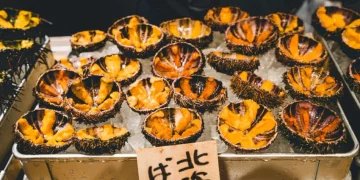









Traveling abroad opens up a world of experiences, from exploring historic sites and immersing oneself in different landscapes to meeting new people and trying new foods. Yet one of the most striking and often jarring aspects of travel is encountering unfamiliar food and customs. Whether it’s the unexpected flavors of a traditional dish, foreign eating habits, or cultural norms surrounding food, these encounters can trigger a profound sense of culture shock.
The clash of food traditions is not just a matter of adjusting to different flavors or culinary techniques—it also involves adapting to the social rituals surrounding meals, the significance placed on food in different cultures, and the ways in which eating acts as a marker of cultural identity. For travelers, the challenge is not just about learning to navigate the local cuisine, but also about understanding the deeper cultural meanings tied to food practices.
This article delves into the challenges and growth that arise from the collision of food and customs while traveling. It explores the concept of food culture shock, how travelers can adapt to foreign culinary practices, and the broader impact of food and customs on cross-cultural understanding. Through examining the importance of food in shaping cultural identities and the emotional significance it carries, this article highlights how food—while a source of discomfort for some—can also act as a gateway to cultural exchange and personal growth.
Chapter 1: The Role of Food in Culture and Identity
1.1 Understanding Food as a Cultural Signifier
Food is not just about taste; it is deeply embedded in the fabric of a culture’s values, history, and social structure. Every culture has developed unique culinary traditions over centuries, influenced by geography, religion, trade, and social practices. In many ways, what we eat and how we eat reflect who we are.
- Ingredients: Foods are often dictated by what is available locally. For example, coastal regions may rely heavily on seafood, while landlocked areas often feature more meat-based dishes. In the same way, tropical climates give rise to spices, fruits, and grains that are staples in their cuisine.
- Cooking Techniques: The methods used to prepare food—whether grilling, frying, steaming, or fermenting—are influenced by environmental factors such as climate, tools, and resources. Techniques often become an art form in and of themselves, passed down through generations.
- Mealtime Rituals: The rituals surrounding food are just as significant. Whether it’s the use of chopsticks in China and Japan or the communal eating styles found in many Middle Eastern cultures, mealtime customs shape not just how food is consumed, but the entire eating experience.
Food, therefore, serves as a powerful symbol of cultural heritage. It tells the story of a community’s values and beliefs, its struggles and triumphs, and its relationship to the environment. It is no surprise, then, that when traveling, foreign food traditions can evoke a sense of both fascination and unease.
1.2 Food as a Source of Cultural Identity
For many people, food traditions are a significant aspect of cultural identity. From the Italian art of pasta-making to Indian feasts centered around rice and lentils, food serves as a living expression of a culture’s way of life. For many travelers, this creates a dilemma: how do we interact with, and respect, these culinary practices when they are so deeply ingrained in the cultural fabric of another society?
When traveling, the foreignness of certain foods and eating practices can feel unsettling, especially when they challenge preconceived ideas of what is “normal” or “acceptable.” For example, Western travelers may be shocked by raw fish dishes in Japan, insect-based snacks in Thailand, or meat-heavy dishes in parts of Latin America and Africa. These differences can lead to discomfort, even revulsion, as travelers are forced to confront unfamiliar tastes, textures, and presentation styles.
However, food also acts as a bridge—a way to connect with other cultures and begin to understand their values and worldview. By engaging with local food customs, travelers have the opportunity to develop a deeper appreciation for the complexity and diversity of the cultures they are visiting. It is through this process of adaptation and learning that travelers experience true cultural exchange.
Chapter 2: The Clash of Food and Customs in Travel
2.1 The Concept of Food Culture Shock
When travelers are confronted with unfamiliar food, they may experience what is often referred to as food culture shock. This is the feeling of discomfort or disorientation that arises when encountering foods and mealtime customs that seem strange or unpleasant.
There are many factors that contribute to food culture shock, including:
- Unfamiliar Flavors: The combination of spices, herbs, and cooking methods that are common in one culture may be completely alien to travelers from other backgrounds. Foods that seem too bitter, sour, or spicy for the uninitiated can create an overwhelming sensory experience.
- Strange Ingredients: Many cultures include ingredients that are considered taboo or undesirable in other regions. For example, while offal (internal organs) is a delicacy in some cultures, it can be viewed as unpalatable by others. Similarly, the practice of eating insects or fermented foods may cause discomfort to travelers not accustomed to these foods.
- Different Mealtime Etiquette: Beyond the food itself, the etiquette surrounding eating can create challenges. For example, the use of chopsticks in East Asia, hands in parts of Africa and India, and the shared communal eating style in many parts of the Middle East can feel strange and unfamiliar to travelers who are accustomed to using forks, knives, and spoons.
2.2 Adapting to New Food Norms
The key to overcoming food culture shock is adaptability. When travelers embrace local food practices, they not only learn about different culinary traditions but also gain a deeper understanding of the values and social customs of the places they are visiting. Here are several ways travelers can adapt to new food norms:
- Being Open-Minded: The first step in adapting to foreign food is approaching it with an open mind. Rather than judging a dish based on its appearance or unusual ingredients, travelers should make an effort to understand the cultural significance behind it.
- Learning the Language of Food: Understanding the context in which food is eaten is just as important as understanding the food itself. In many cultures, there is a ceremony or ritual attached to eating, such as offering prayers before meals, eating in silence, or serving food with respect.
- Gradual Exposure: If a particular dish feels too challenging, travelers can start with milder variations or dishes that are closer to their comfort zone. For instance, if raw fish seems off-putting, sushi with cooked fish may provide a more palatable introduction to Japanese cuisine.
2.3 The Emotional Impact of Cultural Food Clashes
Food is inherently tied to emotions, and this is especially true when we travel. For many, eating is a deeply emotional act, tied to memories of family meals, childhood experiences, or shared traditions. When confronted with unfamiliar dishes, the emotions can range from nostalgia for one’s own cultural practices to fear or disgust at foreign ingredients.
For instance, travelers may experience a sense of loss or homesickness when they cannot find familiar foods from their own culture, leading to a longing for the comfort of home. Conversely, the joy of discovering new, exciting flavors can lead to a sense of adventure and wonder, transforming what might initially feel like a culinary shock into an enriching experience.
Chapter 3: Bridging the Gap: The Power of Culinary Exchange
3.1 Food as a Gateway to Cultural Understanding
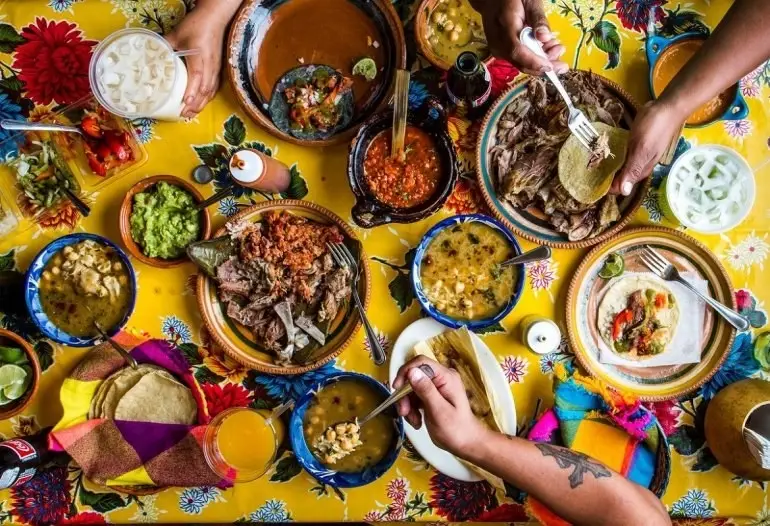
Despite the challenges, food has a unique ability to bridge cultural divides. Through the sharing of meals, travelers and locals can engage in a form of communication that transcends language. Meals become more than just nourishment—they are opportunities for cultural exchange.
In many cultures, food is the primary means of welcoming guests, and breaking bread with locals can help build rapport and trust. Travelers who embrace local food customs often find themselves rewarded with a deeper connection to the culture, its people, and its values.
For example, in Turkey, guests are often welcomed with Turkish delight and coffee as a sign of hospitality. In India, sharing a meal with someone is seen as an act of respect and is a way of forming bonds. By partaking in these customs, travelers can gain insights into the importance of community and family in different societies.
3.2 Food as a Reflection of History and Traditions
Food can also serve as a lens through which travelers can learn about the history of a region. Many dishes have rich historical stories behind them, linked to trade routes, colonialism, or migration. A simple dish like spaghetti in Italy tells the story of the influence of Arab traders in Sicily, while curry in the UK reflects the impact of British colonization in India.
Traveling allows individuals to experience these connections first-hand. Understanding the backstory of food traditions—whether it’s the cultural significance of tea in China or the role of tapas in Spanish culture—can deepen a traveler’s appreciation for a destination and the people who call it home.
Conclusion: Embracing the Clash for Cultural Growth
The clash of food and customs that occurs during travel is often seen as an obstacle to overcome, but in reality, it is one of the most rewarding aspects of cross-cultural exchange. Food serves as a mirror of culture, reflecting the history, values, and traditions of the people who prepare it.
While cultural differences in food may present challenges, they also offer unparalleled opportunities for learning, growth, and connection. By stepping outside our comfort zones and embracing the unfamiliar, travelers can expand their worldview, deepen their understanding of others, and cultivate a greater sense of empathy.
Food, after all, is universal—it has the power to unite and inspire, to break down barriers and build relationships. When we approach food with an open heart and mind, we discover that the true essence of travel lies not just in seeing new places, but in savoring the rich diversity of the world through the food we share and the customs we celebrate.