








The world is full of spectacular natural landscapes—majestic mountains, serene forests, sprawling deserts, and glistening coastlines. However, beyond the well-known tourist hotspots lies a realm of untouched beauty that many travelers overlook. These are the undiscovered natural spots, places that remain largely hidden from the mainstream travel circuit, often due to their remoteness, limited access, or simply because they are yet to be fully explored.
Exploring these undisturbed locations offers not only a chance to connect with nature in its purest form but also the opportunity to experience places that few have ever seen. This article delves into the allure of undiscovered natural wonders, explores the ecological importance of preserving these hidden gems, and provides a guide for adventurous travelers looking to venture off the beaten path.
Through the lens of sustainability, cultural respect, and environmental conservation, we will examine some of the most pristine, untouched natural landscapes still waiting to be explored. We’ll look at the benefits of exploring these areas, the challenges involved, and the importance of traveling responsibly when visiting these unique destinations.
Chapter 1: The Allure of the Unknown
1.1 Why Explore the Unexplored?
There’s an undeniable pull to explore places that few people have ventured to before. The idea of discovering something completely new, an area of immense beauty that hasn’t been altered by human activity or overrun by tourists, is an adventure that appeals to many. But what makes these undiscovered natural spots so irresistible?
- Connection to Nature: In today’s fast-paced, technology-driven world, many travelers crave a deeper, more authentic connection with nature. Visiting pristine, unexplored areas offers an opportunity to experience nature as it was meant to be—unspoiled, raw, and awe-inspiring.
- Exclusivity: There’s a sense of privilege that comes with traveling to a destination that few people have seen. It’s not just about seeing something new, but about being one of the select few to witness its untouched beauty.
- A Sense of Adventure: For the adventurer, discovering an undiscovered spot is akin to being an explorer—charting a new path and perhaps even creating a new route for others to follow in the future.
- Escape from Crowds: Popular tourist destinations often come with large crowds, long lines, and commercialization. The appeal of solitude and peace in less-visited natural spots is a major draw for those seeking a break from the over-saturated tourism market.
1.2 The Role of Remote Destinations in Eco-Tourism
As we increasingly look for meaningful and sustainable travel experiences, exploring undiscovered natural wonders aligns well with the principles of eco-tourism. Eco-tourism emphasizes responsible travel to natural areas that conserve the environment, respect local culture, and contribute to the well-being of local communities. When done right, visiting remote, undiscovered places can promote environmental conservation and raise awareness about the importance of preserving these areas for future generations.
- Conservation Awareness: Many undiscovered natural spots are home to rare ecosystems, endemic species, and fragile landscapes. Visiting these areas (responsibly and with respect) raises awareness about the importance of conservation and can inspire more efforts to protect these regions from exploitation.
- Sustainable Travel Practices: Responsible exploration of these locations encourages travelers to adopt sustainable practices—such as reducing waste, respecting wildlife, and supporting local businesses. Eco-tourism offers an alternative to traditional mass tourism that often leads to overdevelopment and environmental degradation.
Chapter 2: Hidden Gems Around the World
2.1 Remote Wilderness in South America: The Tepuis of Venezuela
Venezuela’s Tepuis, the iconic flat-topped mountains of the Gran Sabana region, are some of the world’s most remote and awe-inspiring natural wonders. These majestic rock formations are not only stunningly beautiful but are also steeped in mystery and biodiversity. The Tepuis are home to numerous endemic species, and their isolated landscapes have been the subject of scientific study for decades.
- Angel Falls: Perhaps the most famous Tepui feature is Angel Falls, the tallest uninterrupted waterfall in the world. However, the Tepuis themselves are largely unexplored, with their vast, moss-covered cliffs and cloud forests remaining largely untouched by human activity. A trek to these highlands is a true test of adventure and offers a glimpse into a world few have had the privilege to see.
- Ecological Significance: These remote ecosystems are home to unique flora and fauna that have evolved in isolation for millions of years. Visiting these natural wonders requires careful planning and respect for the environment to ensure their protection from over-tourism.
2.2 Uncharted Islands of the Pacific: The Marquesas Islands
Located in the remote waters of the South Pacific, the Marquesas Islands remain one of the most untouched and pristine locations on Earth. With their dramatic landscapes, rich Polynesian culture, and unspoiled beaches, the Marquesas are a dream destination for explorers looking for a true sense of isolation.
- Natural Wonders: The islands are home to rugged volcanic peaks, lush valleys, and turquoise lagoons that remain unspoiled by mass tourism. The Marquesas are a place where visitors can experience both cultural heritage and wild landscapes in their rawest form.
- Sustainable Travel Initiatives: Due to their isolation, the Marquesas Islands have had limited exposure to large-scale tourism, which makes them an ideal example of how responsible tourism can support local economies without sacrificing the health of the environment.
2.3 The Hidden Waterfalls of Iceland’s Highlands
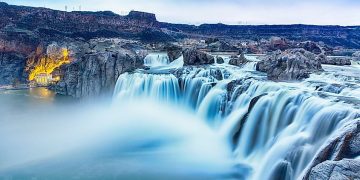
While Iceland’s Golden Circle and Blue Lagoon attract millions of visitors every year, the vast Icelandic Highlands remain largely unexplored. This region, known for its remote valleys, hidden waterfalls, and geothermal springs, offers an otherworldly experience for those willing to venture into its uncharted territories.
- Secret Waterfalls: Beyond the popular tourist attractions like Gullfoss and Seljalandsfoss, Iceland’s highlands are dotted with secret waterfalls, such as Haifoss and Sigöldugljúfur, that remain relatively unknown to the general public.
- Ecological Preservation: The Icelandic Highlands are a fragile environment, home to unique plant species and pristine ecosystems. The region’s remote beauty calls for cautious exploration and a commitment to environmental stewardship to ensure its preservation for future generations.
2.4 The Remote Deserts of Namibia: Skeleton Coast
The Skeleton Coast of Namibia, named for its eerie shipwrecks and the remains of sailors lost in its rugged terrain, is one of the world’s most desolate and breathtaking landscapes. This arid region, where the desert meets the Atlantic Ocean, is home to some of the most isolated wildlife in the world.
- Desert Meets Ocean: The harsh environment of the Skeleton Coast—characterized by sand dunes, salt pans, and rocky shorelines—presents a stark contrast to the bustling cities of the world. Its eerie beauty, remote campsites, and wildlife such as desert-adapted elephants make it a unique destination for the intrepid traveler.
- Conservation Efforts: The Skeleton Coast is part of a national park where local authorities and conservationists are working to preserve both the desert ecosystem and the fragile marine life. The region’s isolation makes it vulnerable to illegal activities such as poaching and mineral extraction, so it’s crucial to approach the area with a sense of respect and commitment to sustainability.
Chapter 3: The Challenges and Benefits of Exploring Undiscovered Spots
3.1 The Challenges of Exploring Remote Areas
While the allure of undiscovered natural wonders is undeniable, traveling to these destinations is not without its challenges. Here are some of the main obstacles travelers may face:
- Accessibility: Many remote areas are difficult to access, requiring extensive travel, rugged hikes, or specialized transportation (e.g., four-wheel drives, boats, or helicopters). This can make these destinations logistically difficult for many travelers to reach.
- Limited Infrastructure: In these areas, tourism infrastructure may be minimal, with few hotels, restaurants, or services available. Travelers must be well-prepared and self-sufficient, bringing necessary supplies, maps, and knowledge about the region.
- Environmental Impact: The more isolated a destination, the more vulnerable it is to environmental degradation. Over-tourism can lead to habitat destruction, wildlife displacement, and the disruption of delicate ecosystems. It’s crucial for travelers to adhere to leave-no-trace principles and support local conservation initiatives.
3.2 The Benefits of Exploring Hidden Natural Wonders
Despite the challenges, the benefits of exploring these undiscovered spots far outweigh the obstacles. These include:
- Personal Fulfillment: There is a profound sense of achievement and personal growth that comes from venturing into remote areas. The experiences gained from interacting with pristine landscapes and overcoming challenges are some of the most rewarding aspects of travel.
- Conservation Awareness: As travelers explore and learn about these regions, they become advocates for their preservation. Visiting remote natural spots responsibly can help raise awareness about their importance and encourage sustainable practices among other travelers.
- Cultural and Ecological Exchange: Many of these undiscovered spots are home to indigenous communities who have lived in harmony with the land for centuries. By visiting responsibly and supporting these communities, travelers can engage in meaningful cultural exchanges while ensuring their way of life is respected.
Conclusion: Embrace the Journey, Respect the Land
Exploring the undiscovered natural wonders of the world is an invitation to connect with nature in its purest, most authentic form. Whether it’s the remote Tepuis of Venezuela, the isolated Marquesas Islands, or the hidden waterfalls of Iceland’s Highlands, these locations represent the untouched beauty of our planet, waiting to be discovered by those willing to tread lightly and explore with respect and responsibility.
The challenge of visiting these remote areas calls for careful planning, responsible tourism practices, and a deep appreciation for the fragile ecosystems that make these natural wonders so unique. By embracing the unknown and supporting efforts to preserve these locations, travelers can play a part in ensuring that future generations can experience the untouched beauty of the Earth.