








Introduction: Venturing Into the Unknown
The Earth is home to two vast, unexplored frontiers that continue to fascinate adventurers, scientists, and explorers alike: the deep sea and the underground cave systems. These mysterious environments, far removed from the world above, hold secrets of our planet’s history and offer opportunities for extreme adventure that few other places can rival. As technology improves and interest in extreme exploration grows, more and more travelers are seeking to venture into the depths of the oceans and into the heart of the Earth’s subterranean caves.
From deep-sea submersible expeditions that descend to the ocean’s most inaccessible parts, to cave diving adventures that explore intricate underground networks, the thrill of exploring these unknown worlds has become an attraction for those willing to challenge both their physical and mental limits. But these expeditions are not without their risks—life-threatening conditions, extreme isolation, and the potential for unpredictable environments make them not only difficult but incredibly rewarding experiences.
This article delves into the fascinating realms of deep-sea exploration and cave systems, examining what makes these extreme activities so captivating, the challenges they pose, and how these adventures are becoming integral parts of the modern adventure tourism landscape.
1. The Mystique of the Deep Sea: A Journey into the Abyss
1.1 The Final Frontier of Our Planet
The ocean covers more than 70% of the Earth’s surface, yet 95% of it remains unexplored. The deep sea, which begins below 200 meters (656 feet), is one of the least understood environments on the planet. It is home to a staggering array of undiscovered species, geological features, and ecosystems that have never been seen by human eyes. Despite the technological advancements in marine science, vast portions of the ocean remain off-limits, shrouded in darkness, pressure, and cold.
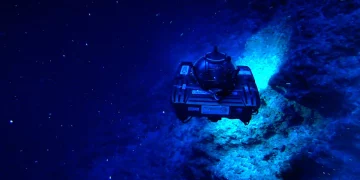
For many explorers, deep-sea exploration offers the ultimate challenge. It’s an opportunity to witness alien landscapes and discover species that may hold the keys to understanding the Earth’s geological and evolutionary history. The technology used to explore these depths, such as submersibles and ROVs (remotely operated vehicles), allows researchers and adventurers to venture into the deep ocean like never before. However, these journeys are fraught with difficulties, requiring immense technical skill, physical stamina, and a profound respect for the ocean’s potential dangers.
1.2 Deep-Sea Exploration Technologies
One of the main challenges in deep-sea exploration is the incredible pressure of the water. As submersibles descend deeper into the ocean, they must withstand pressures that are hundreds of times greater than at the surface. Modern submersibles, such as the DSV Limiting Factor, are designed to withstand these conditions, with specially engineered materials like titanium and glass that can resist the crushing weight of the water.
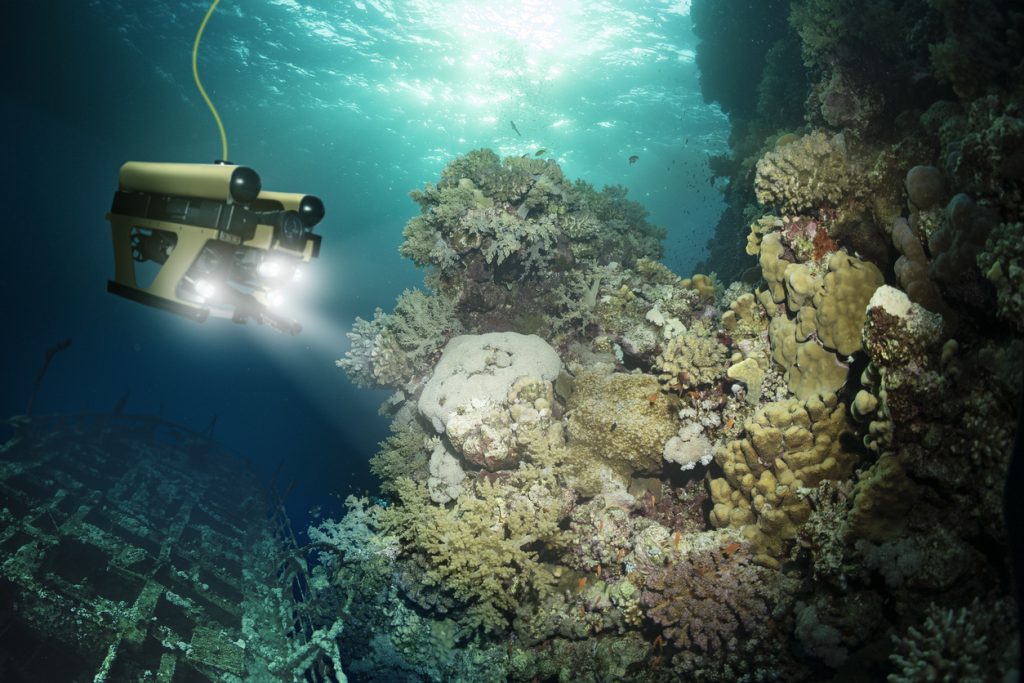
In addition to submersibles, autonomous underwater vehicles (AUVs) and ROVs are frequently used to map the ocean floor and study deep-sea life. These tools are equipped with cameras, sensors, and robotic arms that allow scientists to capture images, collect samples, and study life forms at depths that would be impossible for humans to reach. Through these technologies, we are beginning to discover strange bioluminescent organisms, unusual geological formations, and ecosystems that exist without sunlight, using chemosynthesis instead of photosynthesis.
1.3 Famous Deep-Sea Expeditions
One of the most famous deep-sea expeditions was James Cameron’s solo dive to the bottom of the Mariana Trench in 2012. The Mariana Trench, located in the Pacific Ocean, is the deepest part of the world’s oceans, plunging more than 36,000 feet (11,000 meters) below sea level. Cameron’s journey into the trench’s depths marked a milestone in human exploration, revealing an array of previously unknown species and geological features, including bizarre organisms that had adapted to the extreme conditions.
Other deep-sea exploration expeditions, such as those to the Titanic wreck, continue to inspire adventurers to explore the profound mysteries that lie beneath the ocean’s surface. The wreck of the Titanic, located 12,500 feet (3,800 meters) below the surface, is not only a historical and cultural site but also a part of the ocean’s unique biological ecosystem, where organisms thrive in the absence of sunlight.
1.4 The Challenges of Deep-Sea Exploration
Exploring the deep sea is not for the faint of heart. The extreme conditions—including intense pressure, darkness, cold temperatures, and the constant risk of mechanical failure—make deep-sea expeditions both physically and mentally taxing. Even with cutting-edge technology, submersible operators face constant risks of pressure damage, entanglement, or malfunctioning equipment.
Moreover, the isolation of being thousands of feet underwater, far from the safety of land, creates an intense psychological challenge. Explorers must be prepared to confront the mental stress of being in confined spaces for extended periods of time, knowing that any mistake could have disastrous consequences. Despite these challenges, the rewards of discovery and the opportunity to witness the unknown make deep-sea exploration one of the most thrilling forms of extreme adventure.
2. Cave Systems: The Underground World of Exploration
2.1 The Allure of Underground Exploration
Caves have always fascinated explorers. These natural underground chambers offer a glimpse into Earth’s hidden geological processes, from the formation of stalactites and stalagmites to the development of intricate, maze-like tunnel systems. Cave systems, much like deep-sea environments, are isolated and untouched, making them the perfect destinations for those seeking extreme adventure.
Some caves extend for miles, while others remain relatively unexplored. Caves can range from easy-to-access limestone formations to challenging networks that require specialized climbing gear, cave diving skills, and expert navigation. In some parts of the world, caves have been used for archaeological purposes, revealing the ancient history of human habitation, while others are important to the study of geology and biodiversity.
2.2 Types of Cave Exploration
There are several types of cave exploration, each offering its own challenges and rewards:
- Spelunking: The most basic form of cave exploration, often involving hiking through accessible caves. While relatively easy, spelunking still requires care and attention to safety.
- Cave Diving: One of the most dangerous forms of cave exploration, cave diving involves exploring submerged caves. This activity requires specialized diving skills and equipment, as divers often navigate narrow passageways and low-visibility conditions while submerged.
- Vertical Caving: This form of exploration focuses on deep, vertical caves that require rappelling and climbing techniques to access. These caves are often characterized by steep walls and complex rock formations.
- Ice Caving: Found in colder climates, ice caves form within glaciers or snowbanks and are marked by stunning ice formations, frozen waterfalls, and crystal-clear ice tunnels.
2.3 Famous Cave Systems Around the World
Some cave systems have become legendary for their size, beauty, or the challenges they present to explorers. Here are a few examples of famous cave systems:
- Waitomo Caves, New Zealand: Known for its glowworms, the Waitomo Caves offer a magical experience. Visitors can take boat tours through these caves to witness the glowing organisms that light up the cave’s walls like stars in the night sky.
- Carlsbad Caverns, USA: Located in New Mexico, Carlsbad Caverns is home to over 119 caves, including the Big Room, one of the largest underground chambers in North America. The vast limestone formations and unique ecosystems inside the caves make it a popular destination for cavers and tourists alike.
- Lascaux Caves, France: Famous for its prehistoric cave paintings, the Lascaux Caves offer a glimpse into the distant past of human history. Although the original caves are closed to the public due to preservation efforts, replicas have been created to allow visitors to experience the art without damaging the ancient site.
2.4 The Risks and Challenges of Cave Exploration
Just like deep-sea exploration, cave exploration comes with significant risks. Cave collapses, flooding, getting lost, and hypothermia are some of the dangers that cave explorers face. In many cases, the tight, narrow passages of caves make it extremely difficult to extricate oneself in case of an emergency, adding an extra layer of danger to the adventure.
Explorers need to be well-prepared, equipped with the right gear such as helmets, headlamps, ropes, and wet suits for diving or icy conditions. Proper training in navigation, rescue techniques, and first aid is essential, as many caves are in remote areas with little to no outside assistance.
3. The Future of Extreme Adventure: Underwater and Underground Exploration
3.1 Technological Advancements
The future of both deep-sea exploration and cave systems lies in the advancement of technology. In deep-sea exploration, the development of autonomous underwater vehicles (AUVs) and high-tech submersibles will continue to push the boundaries of how deep we can go and how much we can discover. These tools will help us map the ocean floor, monitor ecosystems, and study marine life in greater detail.
In the realm of cave exploration, robotics and drone technology will play a crucial role in accessing previously unreachable parts of caves. Additionally, advanced mapping technologies will allow explorers to create highly detailed models of cave systems, reducing the risk of getting lost and improving safety measures.
3.2 Sustainable Exploration
As interest in extreme adventures grows, there is a growing need to consider the environmental impact of these activities. Sustainable exploration practices are becoming more important as we learn how human activity can affect delicate ecosystems both underwater and underground. Efforts to minimize pollution, reduce human interference, and protect fragile environments are key to ensuring these wonders remain intact for future generations of adventurers.
Conclusion: The Call of the Unknown
Exploring the deep sea and underground cave systems offers some of the most exhilarating and challenging experiences available to extreme adventurers. Both environments hold untold mysteries, waiting to be uncovered by those bold enough to venture into their depths. While these adventures come with significant risks, they also provide an opportunity for personal growth, discovery, and an unparalleled connection with the Earth’s hidden wonders.
Whether you’re swimming through the dark waters of the deep ocean or crawling through narrow cave passages, these extreme adventures will leave an indelible mark on your life. For those brave enough to face the unknown, the call of the abyss and the cave system is one that promises to reward those who seek it with experiences that go far beyond the ordinary.