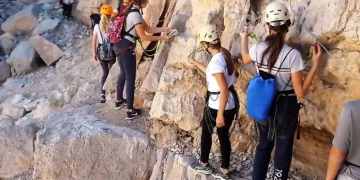









Introduction: The New Era of Adventurous Travel
In recent years, an increasing number of travelers are seeking more than just traditional vacations. The allure of off-the-beaten-path destinations, rugged terrains, and extreme activities has captured the imagination of many who want to challenge themselves both physically and mentally. While popular tourist spots like Paris, Rome, and New York will always attract a large number of visitors, there is a growing trend toward exploring destinations that are remote, difficult to access, and often untouched by mainstream tourism.
This article will explore the reasons behind this shift in travel preferences, highlight some of the most extreme and challenging destinations around the world, and delve into the types of activities that are pushing travelers to their limits. From scaling treacherous peaks to exploring isolated jungles, and from remote desert treks to high-altitude expeditions, these journeys provide travelers with a sense of adventure, personal growth, and the opportunity to truly connect with nature in its rawest form.
1. The Rise of Extreme Travel: A Shift in Modern Tourism
1.1 Why Are Travelers Seeking More Challenging Experiences?
The past decade has seen a major shift in the way people approach travel. With the growth of social media, adventure travel has become increasingly popular, with travelers showcasing their experiences of extreme activities, such as mountain climbing, deep-sea diving, or trekking through harsh wildernesses. Social media platforms like Instagram, YouTube, and TikTok have sparked a desire in people to seek more unique, life-changing travel experiences.
However, the trend towards challenging travel experiences goes beyond social media influence. Modern travelers are more introspective and adventure-driven than ever before. A growing desire to break free from the monotony of daily life and push the boundaries of personal limits has fueled this shift. Many travelers no longer find satisfaction in the familiar comforts of typical vacations; they seek experiential travel that offers self-discovery, resilience-building, and adrenaline.
1.2 The Allure of the Unknown and Rugged Terrain
There is something deeply alluring about exploring places that few others have dared to venture. The mystique and awe associated with unknown, rugged regions trigger a sense of discovery and achievement that cannot be found in more conventional travel. These regions offer travelers a chance to experience nature at its rawest, with extreme climates, challenging terrain, and the potential for danger—all of which add an extra layer of excitement to the journey.
Adventurers are drawn to remote wildernesses, unexplored caves, steep mountain faces, and deep, isolated forests where few humans have left their mark. This type of travel connects individuals with nature in ways that typical destinations cannot, and these experiences allow travelers to truly step outside their comfort zones.
2. The Appeal of Rugged and Remote Destinations
2.1 High Altitudes: Mountaineering and Trekking
Some of the most extreme travel experiences take place in the world’s highest mountain ranges. Mountaineering offers not only the opportunity to challenge one’s physical strength but also to test mental endurance. Conquering peaks like Mount Everest, K2, or Mount Denali requires an exceptional level of preparation, skill, and resilience. However, for many travelers, the satisfaction of reaching the summit of a previously inaccessible mountain is unparalleled.
Other iconic trekking routes include the Annapurna Circuit in Nepal, the Inca Trail to Machu Picchu in Peru, and the Laugavegur Trail in Iceland. These treks combine elements of adventure with the stunning beauty of nature, and many are challenging enough to provide both a physical workout and an immersive experience in remote landscapes.
- Mount Everest: The tallest mountain in the world continues to attract elite climbers, but the trek to its base camp is also a popular goal for many who want to experience the majesty of the Himalayas.
- K2: Known as one of the most dangerous mountains to climb, K2 attracts experienced mountaineers who seek the thrill of pushing the limits of human endurance and skill.
Trekking through challenging landscapes requires more than physical strength; it demands mental resilience, adaptability, and the ability to handle unpredictable conditions such as extreme cold, altitude sickness, and severe weather.
2.2 Remote Deserts: Navigating the World’s Harshest Environments
The world’s vast deserts also serve as the stage for extreme travel experiences. While deserts may seem barren and inhospitable, they are home to awe-inspiring landscapes and some of the most grueling adventures one can undertake. From the Sahara Desert in Africa to the Atacama Desert in Chile, extreme desert travel involves navigating scorching heat, endless sand dunes, and rugged terrain.
Desert treks, such as the Sahara’s Camel Safari or trekking through the Wadi Rum Desert in Jordan, offer travelers the chance to live off the land and experience the harsh beauty of these iconic environments. Many travelers choose to explore deserts on camelback or in off-road vehicles, while others embark on solo hikes to truly immerse themselves in the isolation of these landscapes.
However, desert travel also requires meticulous planning. The lack of water, extreme temperatures, and potential for sandstorms make it essential to prepare carefully and take appropriate safety precautions. Yet, those who do manage to navigate these difficult environments are often rewarded with extraordinary views, sunsets, and experiences of complete solitude.
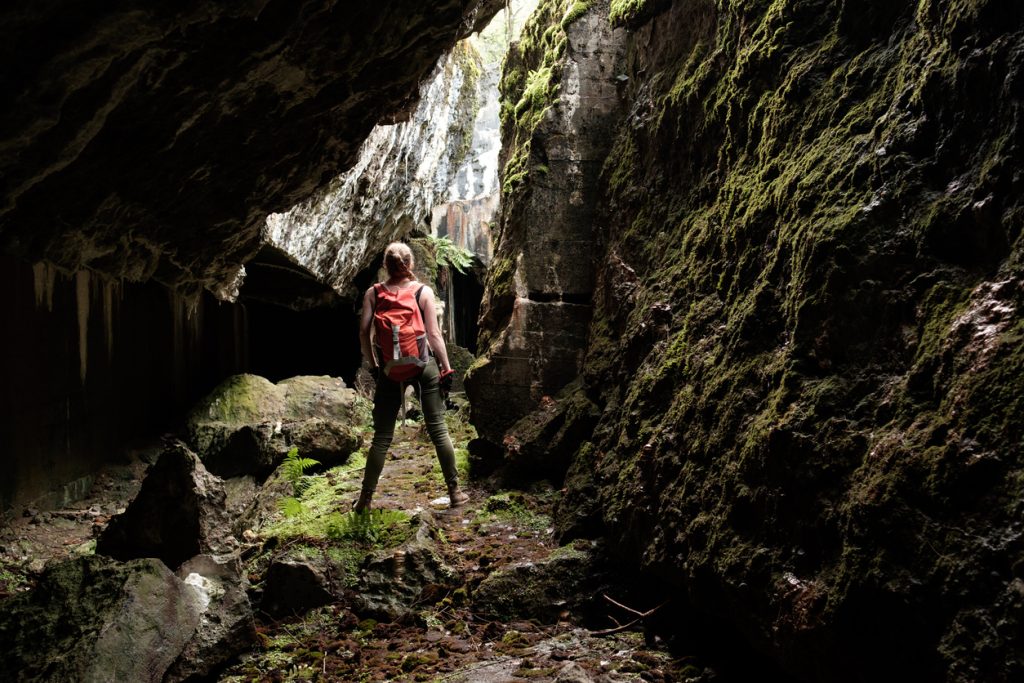
3. Extreme Activities: Pushing the Boundaries of Adventure
3.1 Cave Exploration: Entering the Depths
Cave exploration, also known as spelunking or caving, offers adventurers the chance to explore the dark, hidden world beneath the Earth’s surface. Caving can range from simple, safe explorations of small caves to full-scale cave diving expeditions that require highly specialized equipment and techniques.
Notable cave systems like Carlsbad Caverns in the U.S., Waitomo Caves in New Zealand, and the Cueva de las Sardinas in Mexico provide visitors with stunning stalactites and underground rivers to explore. More extreme forms of caving, such as vertical caving and cave diving, add even more difficulty and danger to the experience. Cave diving involves navigating submerged passages in caves, where the conditions can be both disorienting and dangerous.
Cave exploration tests a traveler’s ability to deal with extreme isolation, low visibility, and the constant risk of being trapped or lost in the depths. It’s not for everyone, but for those who thrive on overcoming these fears, the rewards are immense.
3.2 Skydiving and Paragliding: The Ultimate Thrill
For some adventurers, the call of the sky is just as compelling as the challenges posed by mountains or caves. Skydiving and paragliding are two activities that give travelers the opportunity to experience the world from a completely new perspective. Skydiving offers a heart-pounding thrill as individuals leap from an aircraft at high altitudes, free-falling before deploying a parachute. Paragliding, on the other hand, provides a more serene experience, where adventurers glide over valleys, mountains, or coastlines, savoring the beauty of the world from above.
Skydiving in Switzerland, New Zealand, or Interlaken is a dream come true for thrill-seekers. Similarly, paragliding in regions such as the Andes Mountains in South America or Nepal provides an opportunity to take in breathtaking views while feeling the adrenaline rush of flight.
3.3 Extreme Water Sports: Surfing and Whitewater Rafting
For water sports enthusiasts, the most challenging and exhilarating activities often take place in remote rivers, wild oceans, and extreme locations. Surfing giant waves in places like Pipeline in Hawaii, or braving the class V rapids of the Zambezi River in Africa, pushes athletes to their physical and mental limits.
Whitewater rafting on turbulent rivers like the Colorado River through the Grand Canyon, or rafting through the deep gorges of the Futaleufú River in Chile, involves navigating through wild waters, unpredictable currents, and treacherous conditions. These experiences require not just physical strength, but the ability to read the water, coordinate with teammates, and remain calm in high-stress situations.
4. Challenges and Preparation for Extreme Travel
4.1 Physical and Mental Preparation
Exploring rugged regions and engaging in challenging activities requires more than just a sense of adventure—it demands rigorous preparation. Travelers need to build their physical fitness and mental resilience to survive in extreme environments. Whether it’s building endurance for a long trek, improving strength for rock climbing, or learning survival skills for a desert expedition, the physical aspect of extreme travel cannot be underestimated.
Mental preparation is just as important. Travelers must be ready to confront isolation, physical exhaustion, fear, and discomfort. Techniques like visualization, breathing exercises, and mental resilience training can help adventurers manage stress and perform at their peak during these high-stakes experiences.
4.2 Safety Measures and Risk Management
Extreme adventures come with inherent risks. Understanding the risks and being prepared to handle them is crucial for safe exploration. Travelers should always go with a reputable guide, wear the necessary protective gear, and have a clear plan for emergency situations. It’s also important to research the terrain, weather conditions, and local regulations to minimize risks.
Conclusion: The Allure of the Extreme
The world’s most rugged regions and extreme activities continue to beckon to those who seek adventure, personal growth, and the thrill of the unknown. Whether scaling towering peaks, exploring remote deserts, diving into the depths of the ocean, or traversing underground cave systems, these extreme travel experiences provide a sense of fulfillment that cannot be matched by traditional tourism.
For the modern adventurer, travel is not just about sightseeing—it’s about pushing boundaries, overcoming fears, and connecting with the Earth in a way that few others will ever experience. As technology and travel logistics continue to evolve, more travelers will embark on daring adventures, discovering new parts of the world and themselves in the process.