








Introduction: Mount Fuji, an Icon of Japan
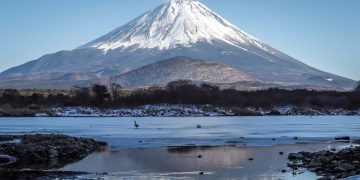
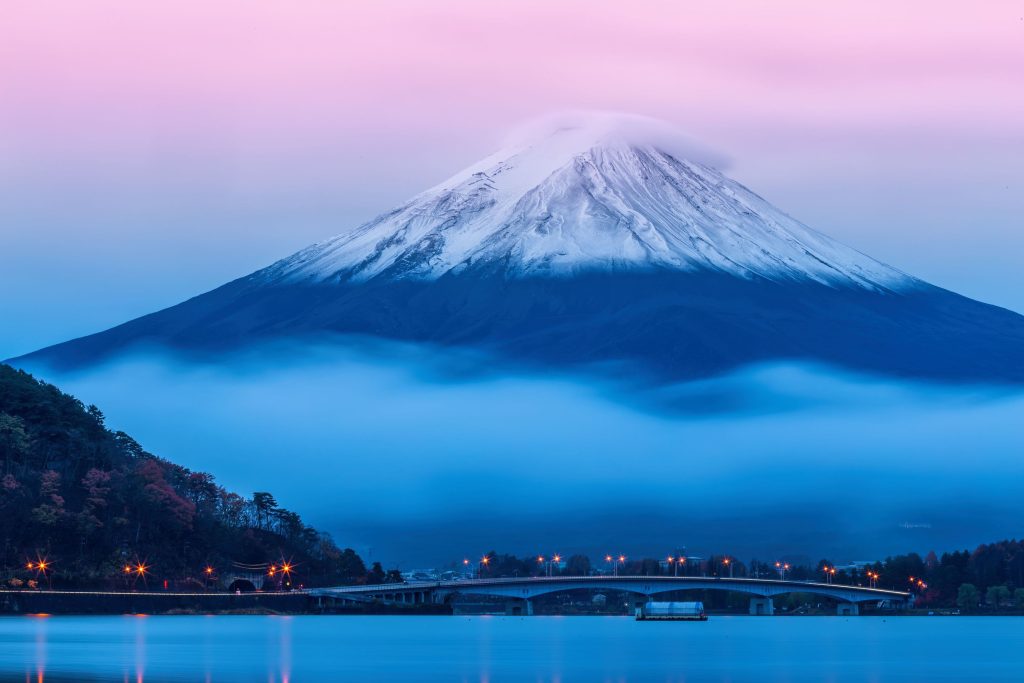
When one thinks of Japan, the image of Mount Fuji often comes to mind. The symmetrical, snow-capped peak of Fuji-san is not just an iconic landmark; it is a symbol of beauty, strength, and endurance. However, the traditional view of Mount Fuji from the Fujiyoshida or the 5th Station is only a small part of the story. The side of Mount Fuji offers an entirely different perspective, revealing the hidden beauty of this majestic volcano and the surrounding unexplored volcanic landscapes.
While Mount Fuji’s peak is famous for being a popular hiking destination and a UNESCO World Heritage site, the slopes and lesser-known sides of the mountain are often overlooked. Yet, these areas hold many untold stories of the mountain’s geological history, unique ecosystems, and cultural significance. This article will take you on a journey to explore the side of Mount Fuji, uncover the mysteries of unexplored volcanic terrains, and discover why these landscapes are becoming increasingly important for adventure travelers and nature enthusiasts.
1. The Geology and Formation of Mount Fuji
1.1 A Brief History of Mount Fuji’s Formation
Mount Fuji is a stratovolcano, formed over thousands of years through eruptions and lava flows that have built up the mountain’s layers. It stands at 3,776 meters (12,389 feet), making it the tallest mountain in Japan. The mountain has been active for hundreds of thousands of years, with its most recent eruption occurring in 1707, which is known as the Hōei Eruption.
The formation of Mount Fuji is closely tied to the geological processes of the Pacific Ring of Fire, an area known for its high levels of seismic activity. As the Pacific Plate subducts beneath the Eurasian Plate, molten rock is forced to the surface, resulting in volcanic eruptions that shape the landscape. Mount Fuji’s side views showcase the layers of volcanic material, giving insight into its violent past and how it has evolved over time.
The volcanic slopes and rock formations on the sides of Mount Fuji are crucial to understanding its volcanic nature. Unlike the relatively smooth and iconic summit, the mountain’s sides are filled with steep ridges, rocky outcrops, and dense forests, each adding to the rugged beauty of the landscape.
2. The Unexplored Volcano Landscapes of Mount Fuji
2.1 The Hidden Beauty of Fuji’s Slopes
Most people who climb Mount Fuji do so to reach the summit, taking the well-worn paths that lead to the 5th Station and higher. However, the true allure of the mountain lies not just in the peak but also in the hidden slopes that offer a quieter, more intimate view of the volcano. These slopes are not as heavily trafficked and provide stunning panoramic views, untouched forests, and breathtaking landscapes.
The forests around Mount Fuji, especially the Aokigahara Forest, also known as the “Sea of Trees”, are an important feature of the mountain’s side. This vast, dark woodland, growing on the flanks of the volcano, is largely unexplored and forms a dense, eerie backdrop to the mountain. The forest has become a symbol of mystery and spiritual significance, with many trails hidden within it that are perfect for adventurous hikers seeking a unique challenge.
In addition to the forests, the volcanic landscape itself creates rugged terrains that are a haven for geological study and adventurous exploration. The untouched volcanic fields, scattered with lava rocks and ancient ash deposits, reveal the mountain’s violent past and provide insight into the nature of volcanic eruptions.
2.2 Exploring the Lava Tubes and Caves
One of the most intriguing features of Mount Fuji’s unexplored landscape is the presence of lava tubes and caves formed by past eruptions. These underground passages are created when lava flows harden on the outside but remain liquid inside, forming hollow tubes. Some of the longest and deepest lava tubes can be found on the lower slopes of Mount Fuji, offering a rare opportunity to explore subterranean volcanic features.
The Fujisan Hongū Sengen Taisha Shrine in the Aokigahara Forest is home to a number of caves, which have long been used for spiritual rituals. These caves, though not open to the public in their entirety, represent a side of Mount Fuji that is often forgotten, yet holds immense geological and cultural significance.
2.3 Volcanic Springs and Hot Springs (Onsen)
The geothermal activity surrounding Mount Fuji has also led to the formation of natural hot springs (onsen), which are scattered around the base and sides of the mountain. The presence of volcanic activity beneath the surface creates mineral-rich hot springs that are believed to have healing properties. These hot springs have been a part of Japanese culture for centuries, with many travelers visiting the Fuji Five Lakes region and surrounding areas to experience the restorative benefits of the waters.
Mount Fuji’s volcanic nature also means that geysers and hot springs can be found at varying altitudes, creating a fascinating contrast to the dense forests and high-altitude environments. These volcanic springs provide travelers with not only a chance to relax but also an opportunity to experience a side of Mount Fuji that has been naturally shaped by the volcano’s activity.
3. Adventure Travel Around Mount Fuji’s Untouched Terrain
3.1 Hiking the Lesser-Known Trails
For those looking to experience the rugged and unspoiled beauty of Mount Fuji, hiking the lesser-known trails on its sides provides a unique and rewarding experience. While the Fujinomiya Trail and Yoshida Trail lead to the summit, there are a variety of lower-altitude trails that wind around the mountain’s sides, offering adventurers a chance to explore the untamed wilderness and undisturbed ecosystems.
The Fujigoko (Five Lakes) area offers a range of hiking routes that provide exceptional views of the mountain, and exploring these trails reveals hidden lakes, wildflowers, and quiet forest paths. These lesser-known areas allow travelers to experience a side of Mount Fuji that feels almost untouched by human presence.
3.2 Climbing Mount Fuji’s Less-Traveled Routes
For experienced climbers, Mount Fuji offers more than the standard route to the summit. Adventurers looking for a more challenging climb may choose to explore the backcountry routes, such as the Subashiri Trail, which is less crowded and offers a more remote and rugged path up the volcano’s side. These less-traveled routes require a higher level of experience and self-sufficiency but reward climbers with stunning vistas, fewer crowds, and a more authentic climbing experience.
For the most daring adventurers, the northern side of Mount Fuji remains largely unexplored, offering a sense of solitude and quiet that is difficult to find on the more popular paths. This side of the mountain is steeper and presents technical climbing challenges, but for those who are prepared, it can be the ultimate test of their mountaineering skills.
4. The Cultural and Spiritual Significance of Mount Fuji’s Side
4.1 The Sacred Nature of Mount Fuji
Mount Fuji has been a sacred mountain in Japan for centuries. Its spiritual significance extends far beyond the summit, as the entire mountain and its slopes have been revered as a pilgrimage site for Shinto practitioners and Buddhist monks alike. For many, climbing Mount Fuji is a deeply spiritual experience, with the climb itself symbolizing the journey to enlightenment.
The Fujisan Hongū Sengen Taisha Shrine, located on the southern side of Mount Fuji, is a focal point of worship and a gateway for those who embark on the sacred pilgrimage to the mountain’s summit. The shrine, and its associated temples, serve as reminders of the spiritual significance that the mountain holds for the people of Japan. For travelers interested in spiritual exploration, hiking the lesser-known slopes of Mount Fuji offers a chance to connect with the ancient traditions and rituals that have defined the mountain’s cultural heritage.
4.2 The Environmental Significance and Preservation Efforts
Given the mountain’s status as a UNESCO World Heritage site, there are ongoing efforts to preserve the natural beauty and biodiversity of Mount Fuji’s slopes. The unique ecosystems that thrive on its side, from forests and wildlife to volcanic plants, are critical to Japan’s environmental health.
Additionally, the Fujisan World Heritage Centre serves as a center for research and education, promoting sustainable tourism and environmental conservation. As more adventurers seek to explore the side of Mount Fuji, there is a strong emphasis on minimizing the impact of tourism on the fragile volcanic landscapes.
Conclusion: The Untold Allure of Mount Fuji’s Sides
Mount Fuji’s famous peak is undoubtedly one of the most recognizable natural wonders in the world, but the hidden sides of the volcano offer a different kind of beauty and adventure. From exploring the dense forests of the Aokigahara, to trekking through volcanic landscapes and encountering geothermal springs, these unexplored regions hold a sense of mystery, quiet, and grandeur that is hard to find anywhere else.
For adventurers seeking a more authentic, off-the-beaten-path experience, the slopes and sides of Mount Fuji provide an opportunity to engage with the mountain in a deeper, more meaningful way. By embracing the rugged beauty and cultural significance of these lesser-known areas, travelers can discover an entirely new perspective on one of Japan’s most iconic landscapes.
As Mount Fuji continues to captivate adventurers, it remains a symbol of natural beauty, geological wonder, and spiritual connection—offering not only a challenge for the body but also an awakening for the soul.