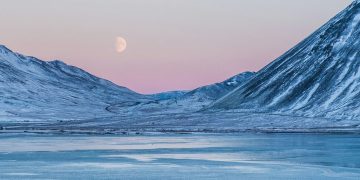









Introduction: The Ultimate Frontier of Adventure
Polar expeditions, whether to the Arctic or Antarctic, represent the pinnacle of extreme adventure. Unlike traditional travel destinations, these regions are defined by vast ice sheets, treacherous glaciers, and relentless cold, pushing explorers to the limits of endurance, preparation, and resilience. The appeal of these expeditions lies not only in the stunning, otherworldly landscapes but also in the profound challenge of survival in some of the harshest environments on Earth.
Polar exploration combines scientific discovery, adventure tourism, and personal transformation. Travelers who undertake such journeys experience an environment largely untouched by human presence, witnessing phenomena such as iceberg calving, polar night, and arctic wildlife in their natural habitats.
This article will explore polar expeditions in detail, including the history of exploration, modern expedition practices, key challenges, and the physical and psychological preparation necessary for a successful journey into the frozen extremes.
1. History of Polar Exploration
1.1 Early Arctic and Antarctic Expeditions
The polar regions have fascinated explorers for centuries. Early expeditions were primarily motivated by scientific discovery, geopolitical interests, and the desire for territorial claims. The harsh conditions, combined with the absence of modern technology, made these journeys exceptionally perilous.
- Arctic Expeditions: Explorers like Fridtjof Nansen and Robert Peary sought the North Pole, navigating treacherous ice floes and enduring extreme cold. Early Arctic exploration was marked by shipwrecks, scurvy, and hypothermia, but also by groundbreaking discoveries in geography, cartography, and polar science.
- Antarctic Expeditions: The race to the South Pole was epitomized by figures like Roald Amundsen and Robert Falcon Scott in the early 20th century. Amundsen famously reached the South Pole in 1911, while Scott’s expedition ended tragically. These early explorers faced subzero temperatures, violent blizzards, and logistical challenges in an environment that was almost entirely unknown to them.
1.2 Technological Advances in Exploration
Modern polar expeditions have benefited immensely from advances in technology, navigation tools, and protective clothing. Innovations such as:
- Satellite navigation (GPS)
- Icebreaking ships
- Thermal clothing and insulated shelters
- Portable communication systems
have transformed polar exploration from a near-suicidal endeavor into a more achievable, though still extreme, adventure. Today, adventurers can reach remote ice shelves and deep polar regions with greater safety, though preparation and respect for the environment remain crucial.
2. Unique Challenges of Polar Expeditions
2.1 Extreme Climate Conditions
Polar regions are defined by subzero temperatures, often dropping below -40°C (-40°F) in winter. These temperatures pose serious risks including:
- Frostbite: Prolonged exposure to freezing temperatures can result in tissue damage, particularly in extremities.
- Hypothermia: When the body loses heat faster than it can produce it, core temperature drops, potentially becoming fatal.
- Blizzards and Whiteouts: Sudden storms reduce visibility and disorient explorers, making navigation extremely hazardous.
In addition, explorers must adapt to polar night, where sunlight can disappear for months, and polar day, where continuous daylight can disrupt sleep cycles.
2.2 Treacherous Terrain
Both the Arctic and Antarctic landscapes are deceptively beautiful but extremely dangerous:
- Ice Sheets and Crevasses: Hidden cracks in glaciers can be deadly. Proper equipment like ice axes, ropes, and harnesses is essential for safety.
- Icebergs and Sea Ice: In the Arctic, unstable ice floes and drifting icebergs pose navigational hazards for ships and sled teams.
- Snowdrifts and Glacier Travel: Traversing deep snow requires endurance, strength, and knowledge of snowpack stability to avoid avalanches.
2.3 Isolation and Limited Resources
Polar regions are among the most isolated places on Earth. Explorers must be self-sufficient for food, fuel, and medical supplies. Emergency evacuation is often impossible due to weather or distance, making thorough pre-expedition planning critical.
- Medical Challenges: Frostbite, hypothermia, and altitude-related conditions at icecap elevations require medical training and emergency preparedness.
- Logistical Planning: Every ration, fuel supply, and piece of gear must be calculated carefully; a single oversight can compromise the expedition.
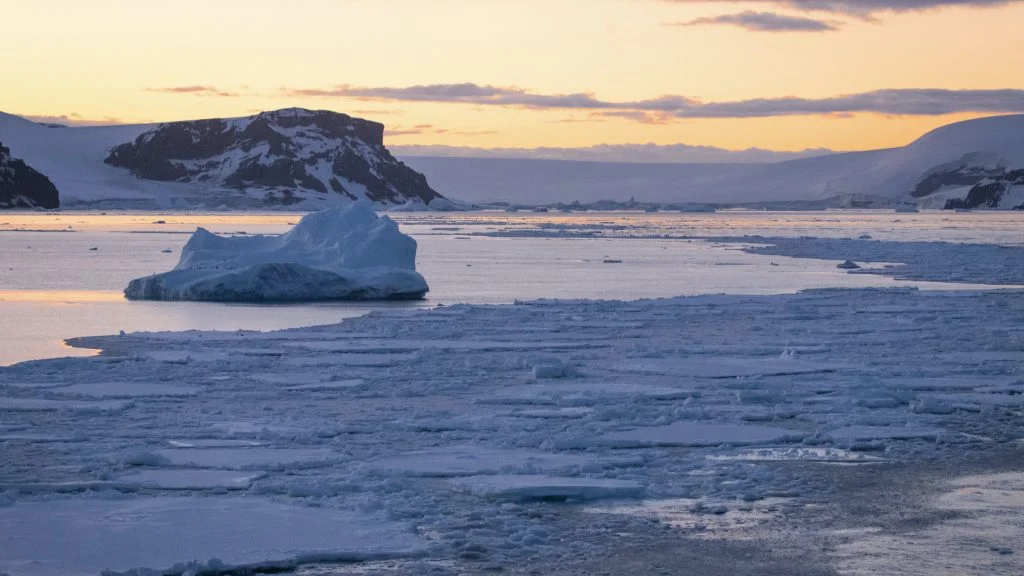
3. Arctic vs. Antarctic: Distinct Environments
While both regions are cold, they present unique challenges:
3.1 The Arctic
- Composed largely of sea ice and tundra, the Arctic is home to indigenous communities such as the Inuit, who have developed centuries of survival knowledge.
- Wildlife Encounters: Polar bears, seals, walruses, and migratory birds require careful interaction and respect.
- Seasonal Variation: Arctic summers bring 24-hour daylight, making navigation easier, while winters are harsh and dark, complicating expeditions.
3.2 The Antarctic
- A continental ice sheet with elevations exceeding 3,000 meters in some areas.
- Extreme Winds: Katabatic winds, which descend rapidly from high elevations, can reach speeds over 200 km/h (124 mph).
- Protected Environment: The Antarctic Treaty protects its ecosystem, meaning expeditions must follow strict environmental protocols.
- Wildlife: Penguins, seals, and seabirds are abundant, but land mammals are virtually absent.
4. Modern Polar Expeditions: Adventure Tourism Meets Scientific Research
Today, polar expeditions can be categorized into two main types: adventure tourism and scientific exploration.
4.1 Adventure Tourism
Polar adventure tourism has grown due to increased accessibility via icebreaker cruises, guided treks, and commercial flights to remote outposts. Typical activities include:
- Ice Climbing: Ascending ice walls and glaciers with specialized equipment.
- Sled Dog Expeditions: Using traditional or guided dog sleds for long-distance travel across icefields.
- Extreme Skiing: Traversing polar terrain on skis, often combined with camping for weeks at a time.
- Kayaking and Zodiac Tours: Exploring icebergs and coastal wildlife from small vessels.
Adventure tourism allows enthusiasts to experience the thrill and beauty of polar regions while minimizing risks through professional guidance.
4.2 Scientific Exploration
Scientific expeditions often involve climate research, glaciology, oceanography, and wildlife studies. Researchers collect data critical to understanding climate change, ice sheet dynamics, and ecosystem health. These missions require long-term fieldwork, technical equipment, and highly trained personnel.
The data collected in these extreme environments has global implications, influencing climate policy, environmental protection, and scientific understanding of Earth’s polar regions.
5. Preparation for Polar Expeditions
5.1 Physical Preparation
Polar expeditions demand peak physical fitness. Core strength, cardiovascular endurance, and flexibility are essential for managing:
- Sled pulling or backpacking over ice and snow
- Climbing icy terrain with crampons and ice axes
- Resilience to cold stress over extended periods
Training programs often include mountain climbing, long-distance trekking, cold exposure conditioning, and weight-bearing exercises.
5.2 Equipment and Gear
Success in polar expeditions depends on specialized gear, including:
- Insulated Clothing: Layering systems combining base layers, mid-layers, and waterproof outer shells
- Footwear: Insulated boots compatible with crampons or snowshoes
- Navigation Tools: GPS devices, satellite phones, and traditional compasses
- Shelter: Arctic-grade tents capable of withstanding high winds and heavy snow
- Food and Fuel: High-calorie, freeze-dried meals and portable stoves designed for extreme cold
5.3 Mental and Psychological Preparation
The mental demands of polar expeditions are as significant as the physical ones. Extended isolation, monotony, and extreme environmental stressors require:
- Stress management techniques such as meditation or controlled breathing
- Team dynamics training for cooperative expeditions
- Contingency planning to handle emergencies without panic
6. Iconic Polar Expeditions and Routes
6.1 Arctic Expeditions
- North Pole Trek: Usually accessed via Svalbard or Russia’s Franz Josef Land, this expedition challenges travelers to navigate drifting sea ice while avoiding polar bears and crevasses.
- Greenland Ice Cap Crossing: Skiing or hiking across 600 miles of ice with minimal external support, a true test of endurance and navigation skills.
6.2 Antarctic Expeditions
- South Pole Ski Expeditions: Starting at Hercules Inlet or Ross Ice Shelf, adventurers ski hundreds of miles to reach the pole.
- Antarctic Peninsula Cruises: Accessible via guided vessels, these journeys allow travelers to witness glaciers, icebergs, and wildlife in relative safety.
- McMurdo Station Research Missions: Scientific expeditions that explore the ice sheet and surrounding mountains, contributing to climate and geological research.
7. The Significance of Polar Expeditions
Polar expeditions are more than just adventures; they represent human resilience, curiosity, and a desire to understand and preserve the planet. They:
- Push individuals to physical and mental extremes
- Provide critical scientific data about climate and ecosystems
- Inspire a global audience to appreciate and protect these fragile environments
Exploring these regions fosters a deep sense of connection with the natural world, highlighting the importance of environmental stewardship and the interconnectedness of Earth’s ecosystems.
Conclusion: The Ultimate Challenge
Exploring the Arctic and Antarctic is a journey like no other. Travelers face freezing temperatures, relentless winds, and isolated terrain, but the rewards are immense. The stark beauty of the polar landscapes, the thrill of survival in extreme conditions, and the opportunity to witness rare wildlife and ice formations create experiences that are unforgettable and life-changing.
Polar expeditions test the limits of human endurance, inspire scientific discovery, and offer profound personal transformation. For those prepared to face the extremes, these icy frontiers remain the ultimate adventure — a realm where the courage, preparation, and resilience of the human spirit are truly measured.