








Introduction: The Thrill of Nepal’s Extreme Rafting Adventure
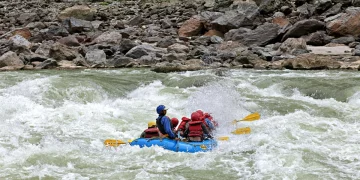
Whitewater rafting is one of the most exhilarating activities that combines adrenaline, natural beauty, and the challenge of navigating unpredictable rapids. While many rivers around the world offer thrilling rafting experiences, few match the raw intensity and rugged beauty of Nepal’s Trishuli River. As one of the most extreme rafting routes globally, the Trishuli River draws adventurers from all over the world who seek the ultimate whitewater challenge.
This river, nestled in the foothills of the Himalayas, is not only renowned for its wild rapids but also for the awe-inspiring landscapes it traverses. From deep gorges carved by centuries of erosion to lush jungles alive with wildlife, the journey along the Trishuli offers both heart-pounding excitement and the opportunity to witness Nepal’s unparalleled natural beauty.
In this article, we’ll explore why the Trishuli River is considered one of the most extreme rafting routes in the world, the technical aspects of the journey, safety precautions, and practical tips for adventurers eager to take on this iconic waterway. We’ll also delve into the cultural significance of the river and why it has become a symbol of adventure tourism in Nepal.
1. Overview of the Trishuli River
1.1 Location and Accessibility
The Trishuli River is a major tributary of the Ganges, flowing from the Himalayan foothills in central Nepal. It originates from the Langtang Valley region and descends through steep gorges, making it a prime location for whitewater rafting. The river is approximately 250 kilometers long, with varying levels of difficulty along its course, offering challenges for both novice and experienced rafters.
Easily accessible from Kathmandu, Nepal’s capital, the Trishuli River is one of the most popular rafting destinations in the country. The river is located on the route that connects Kathmandu to Pokhara and Chitwan, making it a convenient stop for travelers en route to other regions of Nepal. This accessibility has contributed to its reputation as a must-visit spot for rafting enthusiasts from around the world.
1.2 Historical and Cultural Significance
The Trishuli River holds great cultural significance in Nepal. The river’s name, “Trishuli,” is derived from the Trishul (trident), a symbol of the Hindu god Shiva. The river is considered sacred by locals, and it plays an important role in the rituals and religious practices of the Hindu community. It is not unusual to see local devotees along the riverbanks offering prayers or performing ritual baths in its waters.
The river also passes through several traditional villages and historical landmarks, giving adventurers the opportunity to witness Nepal’s unique culture while navigating the rapids.
2. The Rapids of Trishuli River: An Extreme Challenge
2.1 The Classification of Rapids
The rapids of the Trishuli River are classified as Class III to Class IV, placing it firmly in the realm of intermediate to advanced rafting. The river’s whitewater is characterized by fast-moving water, large waves, and challenging obstacles such as rocks, whirlpools, and powerful currents.
- Class III Rapids: These rapids are considered moderately difficult, with waves that can reach up to 4-5 feet and require some skill to navigate. These sections are often characterized by tight turns and small eddies.
- Class IV Rapids: Known for their intense power, these rapids require expert skill to handle. Waves can be larger and the river flows with much greater force. These sections are unpredictable, with sudden drops and obstacles that demand quick thinking and precise maneuvering.
The most challenging sections of the Trishuli River are found in the middle and lower parts, where the river gains strength as it flows toward the Indian plains. These sections are not for the faint of heart and demand a high level of technical rafting ability.
2.2 Major Rapids on the Trishuli River
- “Double Trouble”: One of the most challenging rapids on the Trishuli, Double Trouble presents two large waves that create a dangerous backwash. This is a rapid where experience and coordination are essential.
- “Upstream”: Known for its steep drops and high-speed flow, this rapid can catch even seasoned rafters by surprise.
- “Lobster”: This section features sharp rocks and requires precise paddling to avoid being thrown off course.
Rafting in this environment demands not only strength and stamina but also the ability to remain calm under pressure, as the conditions change rapidly.
3. Essential Equipment and Safety Measures
3.1 Equipment for Rafting the Trishuli River
Rafting on the Trishuli River is a demanding activity that requires specific equipment to ensure safety and maximize enjoyment:
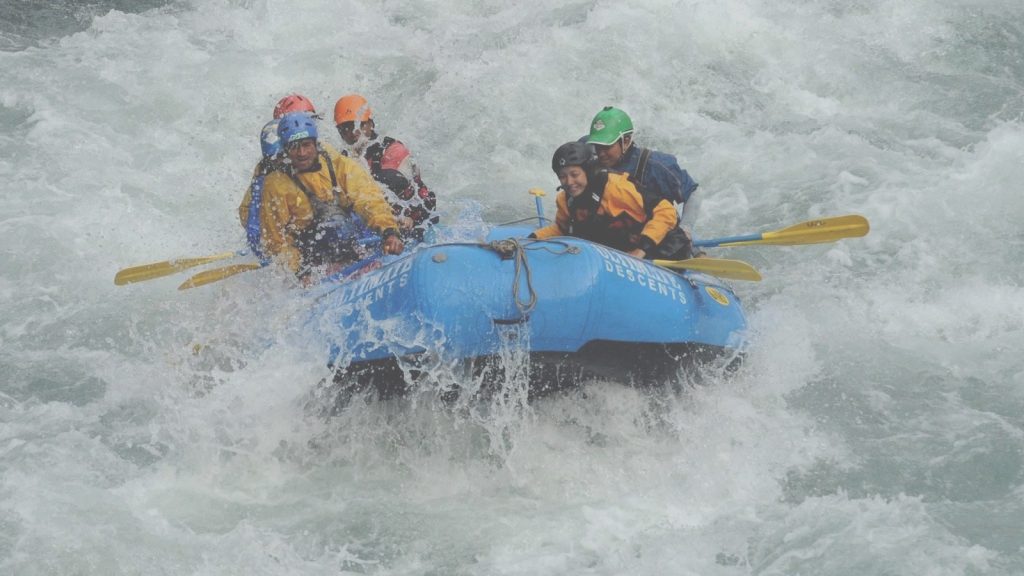
- Rafts: Modern inflatable rafts are typically used for rafting, made from durable rubber and designed to handle the extreme conditions of the river. These rafts can carry between 4 to 10 people, depending on the group size.
- Paddles and Helmets: Essential for maneuvering the raft through fast-moving water and protecting rafters from obstacles and waves.
- Life Jackets: Mandatory for all participants. They ensure buoyancy in case of capsizing and are designed to keep rafters afloat in turbulent waters.
- Dry Bags: These are used to store personal belongings, such as cameras and clothing, to keep them dry during the trip.
- Safety Harnesses: In some sections, rafters may wear safety harnesses to provide additional security during more technical rapids.
3.2 Safety Measures for Trishuli River Rafting
Given the river’s classification as Class III and IV, safety is a top priority:
- Qualified Guides: Professional rafting guides with extensive experience on the Trishuli River are crucial for ensuring safety. These guides are trained in swift-water rescue and have a deep knowledge of the river’s characteristics.
- Pre-Rafting Briefing: Before starting the rafting journey, guides provide a thorough safety briefing. This includes instructions on paddling techniques, what to do in case of a capsize, and how to navigate the rapids.
- Medical Equipment: First-aid kits and communication tools are essential for handling emergencies, especially given the remote location of the river.
- Helicopter Evacuation: In extreme cases of injury, helicopter evacuation is available. However, this is a costly and time-consuming process, making it vital to follow safety guidelines throughout the trip.
4. Planning a Trip: Best Time for Rafting
4.1 When to Visit
The best time for rafting on the Trishuli River is during the spring (March to May) and autumn (September to November) months, when the weather is stable, and the water levels are optimal. These months offer the perfect balance of excitement and safety, with rapids at their most manageable.
- Monsoon Season (June to August): During this period, the water levels rise dramatically, making the river much more dangerous, even for experienced rafters.
- Winter (December to February): Although the river remains accessible, the cold weather and chilly water make it less ideal for rafting, especially for first-timers.
4.2 Ideal Duration
Rafting trips on the Trishuli River usually last between one to three days, depending on the difficulty level chosen. Some operators offer multi-day trips, combining rafting with camping along the riverbanks, giving adventurers a deeper connection to the natural surroundings.
5. The Experience: Beyond Rafting
5.1 Natural Beauty
While the rapids and adrenaline are the main attractions of the Trishuli River, the surrounding landscape adds another layer of awe to the experience. Rafters journey through gorges, lush jungle, and remote mountain villages, offering unparalleled opportunities for photography, wildlife viewing, and cultural immersion.
- Wildlife: The riverbanks are home to a variety of species, including kingfishers, crocodiles, and monkeys.
- Local Culture: Rafters will pass by small villages and interact with locals, many of whom live traditional lives and rely on the river for transportation and fishing.
5.2 Adventure Beyond the River
The Trishuli River offers more than just rafting. Adventurers can combine their rafting trip with other activities such as:
- Trekking in the nearby Langtang Valley
- Cultural tours of Chitwan National Park or the ancient city of Kathmandu
- Wildlife safaris in the Chitwan National Park
This combination of rafting and other adventure activities makes Nepal a top destination for travelers seeking an all-encompassing extreme adventure experience.
Conclusion: A Journey of Adrenaline and Discovery
Rafting on the Trishuli River is a once-in-a-lifetime experience, combining thrilling rapids with the breathtaking beauty of Nepal’s natural landscape. It challenges adventurers physically and mentally, offering a unique opportunity to witness Nepal’s wild side while experiencing the rush of navigating some of the world’s most extreme whitewater. Whether you’re an experienced rafter or a beginner looking to push your limits, the Trishuli River offers an unforgettable journey that will test your courage, skill, and love for adventure.
As you paddle through the rapids and gaze at the towering mountains and lush jungles, you’ll come to realize that rafting the Trishuli is not just about conquering the river — it’s about embracing the journey and the transformative power of pushing yourself to the edge of your limits in one of the most incredible environments on the planet.