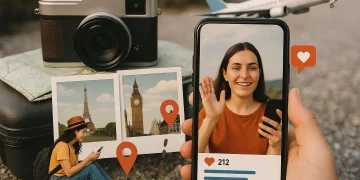








In today’s interconnected world, the way we experience travel and share our adventures has dramatically evolved. With the advent of blogs, social media, and literary works, sharing real travel stories has become an art form and a way of inspiring others to explore the world. These stories not only offer a window into new places but also allow for deep connections with diverse cultures, people, and experiences. From personal blogs that delve into intimate travel experiences to Instagram accounts filled with stunning landscapes, the world of travel storytelling is vast and multifaceted.
This article explores the intersection of real travel stories in modern times, looking at the role of blogs, social media, and literary works in shaping travel narratives. We’ll examine how each of these mediums influences the way we perceive travel, offers a platform for new voices, and invites readers to embark on their own journeys.
1. The Rise of Travel Blogs: The Personal Touch
1.1 What Are Travel Blogs?
A travel blog is an online platform where travelers share their personal stories, experiences, itineraries, and tips about different destinations. These blogs vary greatly in terms of content, from luxury travel experiences to budget backpacking, from adventure trips to cultural explorations. Travel bloggers often include detailed photos, personal anecdotes, and practical advice that make their stories relatable and engaging.
Over the past two decades, travel blogging has evolved from a hobby into a profession. Blogs like Nomadic Matt, The Blonde Abroad, and Expert Vagabond have become go-to sources for travelers seeking advice, inspiration, and tips for planning their journeys.
1.1.1 Influence of Travel Blogs
Travel blogs provide a space for authentic, real-life stories, offering honest reflections on the highs and lows of travel. They allow for deeper, more personal connections compared to traditional travel guides. The influence of travel blogs can be seen in the following ways:
- Empowerment of Travelers: Bloggers offer practical advice, tools, and resources that help fellow travelers make informed decisions, whether they are planning a backpacking trip through Southeast Asia or a luxurious stay in the Maldives.
- Authenticity: Unlike traditional travel guides, blogs often share unfiltered, personal insights, including stories of mishaps, travel challenges, and moments of unexpected beauty.
- Cultural Exchange: Many travel bloggers focus on immersing themselves in local cultures, meeting locals, and sharing diverse perspectives that promote cross-cultural understanding.
1.2 Evolution of Travel Blogs
Initially, travel blogs began as online journals or diaries. Over time, they have evolved into sophisticated, monetized platforms featuring not only written content but also photography, videos, and social media integration. As more travelers started documenting their journeys, the visual appeal of blogging grew. Instagram-style photography, coupled with compelling written narratives, became the standard.
Furthermore, with platforms like WordPress and Medium, bloggers now have access to tools that make publishing content easier and more professional. The use of SEO and digital marketing strategies has turned travel blogging into a lucrative career for many, with travel bloggers often collaborating with brands, tourism boards, and hospitality businesses.
2. Social Media: Instant Sharing and Global Influence
2.1 Social Media’s Role in Travel Storytelling
While blogs remain a central hub for in-depth stories, social media platforms like Instagram, YouTube, Facebook, and TikTok have become the dominant force in modern travel storytelling. These platforms allow travelers to instantly share their experiences with a global audience, often with just a few clicks or taps.
2.1.1 Why Social Media?
Social media platforms have revolutionized how we tell and consume travel stories. Key features such as real-time posting, interactive engagement, and visual storytelling have made social media a preferred platform for travel influencers, travelers, and brands.
- Visual Impact: Social media is highly visual, making it perfect for travel stories that focus on landscapes, cityscapes, cultural experiences, and local cuisine.
- Real-Time Connection: Social media allows travelers to share experiences as they happen, giving followers a sense of live involvement in their journeys. Through platforms like Instagram Stories, Facebook Live, and YouTube vlogs, travel enthusiasts can interact with travelers in real-time, asking questions and engaging in direct conversations.
- Global Reach: With millions of followers, social media influencers have the ability to spread their travel stories far beyond their immediate circles, impacting global tourism trends.
2.1.2 Travel Influencers and Their Impact
One of the most significant developments in travel storytelling on social media has been the rise of travel influencers. These individuals or groups have gained significant followings on platforms like Instagram and YouTube by sharing their travel experiences, providing recommendations, and offering exclusive travel content.
Some of the most well-known travel influencers include:
- Murad Osmann (creator of the #FollowMeTo series)
- Lauren Bullen (@gypsea_lust)
- Jack Morris (@doyoutravel)
Influencers often work with brands, tourism boards, and travel companies to promote destinations and experiences, blurring the line between authentic storytelling and advertising. While some critics argue that influencers may promote unrealistic or overly commercialized versions of travel, many influencers are still deeply committed to sharing genuine experiences, especially those that highlight local cultures, sustainable tourism, and off-the-beaten-path destinations.

3. Travel Literature: From Classics to Contemporary Works
3.1 What Is Travel Literature?
Travel literature encompasses written works that describe a journey or exploration, usually with a focus on the geography, history, and culture of the places visited. From the ancient epics of Homer’s Odyssey to modern-day works like Bill Bryson’s “A Walk in the Woods”, travel literature has been a genre that both entertains and educates readers.
3.1.1 Travel Writing Traditions
Historically, travel writing served both as documentation and storytelling, capturing the essence of exploration during times when travel was arduous and dangerous. Some of the most famous works in travel literature include:
- Marco Polo’s “The Travels of Marco Polo”: Polo’s accounts of his journey to the East in the 13th century opened up the Western world to the wonders of Asia.
- Paul Theroux’s “The Great Railway Bazaar”: Theroux’s travelogue about his journey through the trains of Asia and Europe remains a timeless example of the genre.
- V.S. Naipaul’s “The Middle Passage”: Naipaul’s reflections on post-colonial societies as he travels through the Caribbean and beyond offer deep insights into the cultural ramifications of history.
In many ways, these works paved the way for modern travel writing and continue to influence the genre.
3.2 Travel Literature in the Modern Era
In contemporary times, travel literature has evolved, blending personal experience with social commentary, humor, and philosophy. Authors like Pico Iyer, Cheryl Strayed (who wrote Wild), and Elizabeth Gilbert (Eat Pray Love) have created works that not only share travel stories but also explore the emotional and spiritual aspects of travel.
Modern travel literature emphasizes:
- Self-Discovery: Travel often becomes a means for characters to discover or redefine themselves, as seen in “The Art of Travel” by Alain de Botton or “A Year in Provence” by Peter Mayle.
- Cultural Insights: Travel writing in the 21st century often highlights the intersection of travel with global issues, such as migration, tourism sustainability, and globalization.
- Personal Narratives: The genre has shifted from purely observational writing to first-person narratives, where the journey is as much about internal transformation as it is about physical destinations.
4. The Influence of Travel Stories on the Modern Traveler
4.1 Inspiration and Motivation
One of the most powerful aspects of travel stories—whether through blogs, social media, or literature—is their ability to inspire and motivate readers. Real travel stories expose the possibilities of adventure, the joys of discovering new places, and the personal growth that often accompanies travel.
- Bloggers and influencers often share intimate accounts of their triumphs and setbacks, making them highly relatable and inspiring.
- Travel books serve as a window into the mindset of travelers, offering reflections on how places and experiences shape one’s identity.
For many, reading about the journeys of others sparks the desire to set off on their own adventures, even in the face of uncertainty or limited resources.
4.2 Shaping the Modern Travel Industry
Travel stories, particularly those shared online, play a significant role in shaping the modern travel industry. Through social media posts, travel blogs, and influencer marketing, these stories directly affect the tourism economy by:
- Promoting destinations and attractions that may have been previously unknown or underrated.
- Shaping trends, such as eco-tourism, adventure travel, and voluntourism.
- Influencing the choices of travelers in terms of where to go, where to stay, and what to do.
5. Conclusion: The Enduring Power of Real Travel Stories
In conclusion, real travel stories told through blogs, social media, and literary works serve as an essential part of the modern travel landscape. These stories not only offer us inspiration and practical advice, but they also provide a deeper understanding of the world’s cultures, landscapes, and societies.
Whether it’s reading a compelling blog post, watching a travel vlog, or immersing oneself in a literary journey, each medium offers a unique lens through which we can explore the world and discover the transformative power of travel.