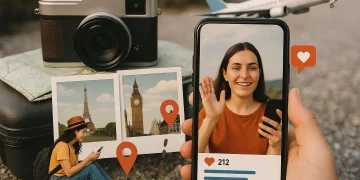









Travel is often described as a journey of discovery. We discover new cultures, breathtaking landscapes, and the endless variety of life. Yet, in the midst of the exploration, there lies a recurring theme at the heart of many travel stories: the feeling of being lost. But this “lostness” is not always geographic; it extends beyond the physical disorientation of losing your way in a foreign city. “Losing” is a much deeper experience, one that encompasses emotional confusion, mental wandering, and at times, a sense of displacement in a world full of constant movement and noise.
While travel is about discovering the world around us, it is also about discovering who we are. And in the process of traveling, we often find ourselves lost—not in a sense of being lost forever, but in a way that leads to profound personal growth. Sometimes, the act of “losing” ourselves is the very thing that leads us to find what we truly seek. This article explores the multifaceted nature of being lost during travel, including geographical disorientation, emotional loss, and mental wandering, and how these moments of “losing” can enrich the traveler’s experience in meaningful and transformative ways.
1. The Geographical Loss: Getting Lost in a New Place
1.1 The Thrill of Navigating Unfamiliar Terrain
One of the most common forms of “losing” while traveling is the experience of becoming physically lost. Whether it’s a missed turn, a wrong train, or an unfamiliar street sign, getting lost in a new place is something nearly every traveler can relate to. But rather than being merely a frustrating inconvenience, this form of “lostness” often becomes an essential part of the travel experience.
- Serendipitous Discoveries: The moment we lose our bearings, a sense of anxiety may take over, but it’s also when we often stumble upon the most fascinating places. Being lost in a city might lead you to an obscure café tucked away in an alley, or a scenic park you never planned on seeing. These unplanned discoveries become some of the most cherished memories.
- Connection with Locals: Getting lost also opens the door to genuine interactions with locals. Asking for directions can spark conversations that lead to shared stories, recommendations, and insights into the local culture. It’s in these moments of vulnerability—when you’re unsure and lost—that the world becomes a little more human.
- The Journey over the Destination: There is a certain charm to navigating without a clear direction. The unpredictability of getting lost can lead to a deeper appreciation for the journey itself, rather than focusing solely on the destination. It allows the traveler to engage more fully with their surroundings, letting go of rigid expectations.
1.2 The Mental and Emotional Impact of Geographical Loss
For many, the initial panic of being lost is quickly replaced by a sense of freedom and adventure. Geographical disorientation, while uncomfortable at first, often carries psychological benefits. The experience of losing yourself geographically is a form of mental liberation, where the rules of everyday life are momentarily suspended.
- Letting Go of Control: When lost, control slips away, and we’re forced to embrace uncertainty. This can be a cathartic experience, especially for those who are accustomed to rigid schedules and constant planning. The act of letting go allows us to feel the vibrancy of the world in a way that simply following a map or guidebook cannot.
- Self-Discovery: Being lost geographically can also push you to discover your resilience and resourcefulness. How do you react when the map no longer helps? Can you navigate using your instincts, or do you lean on your creativity and problem-solving skills? These moments reveal hidden strengths and reveal how adaptable you truly are.
2. Emotional Loss: Losing Yourself Along the Way
2.1 Emotional Disconnect: The Void of Wanderlust
While geographical loss is a tangible and often temporary experience, emotional loss is more pervasive and complex. The act of traveling can sometimes bring up feelings of loneliness, homesickness, or longing. In some cases, this emotional “loss” is a sign of the displacement many feel when they’re far away from the familiarity of home and loved ones.
- Homesickness: The allure of travel often fades when the isolation sets in. Being in a foreign place, even one filled with beauty, can sometimes create a longing for what’s familiar. The feeling of missing home, friends, or family is a type of emotional disorientation, where you lose the comfort of your usual environment.
- Nostalgia and Reflection: As we travel, we often encounter moments of introspection that lead us to question our life’s choices, goals, and personal relationships. The distance from our usual life can give us a new perspective on who we are and what we want from life. This emotional wandering is a sign of personal evolution—a necessary part of finding clarity.
- Cultural Disconnect: The emotional dissonance travelers sometimes experience can also arise from differences in culture and values. When interacting with people from different backgrounds, there can be moments of confusion or frustration as we realize that what we consider “normal” may not resonate with those around us. This emotional loss can feel isolating, but it often opens the door to greater understanding and cultural empathy.
2.2 The Power of Emotional Loss for Self-Discovery
While being emotionally lost can initially feel disheartening, it also has the potential to drive self-discovery. These moments force us to reconnect with our emotions and reevaluate our values. They encourage reflection and often lead to personal growth that would not be possible without the discomfort of emotional vulnerability.
- Healing Through Travel: Many people travel not just to explore the world but to find healing for emotional wounds or trauma. Travel offers the space and time to reflect on one’s past, make peace with difficult emotions, and emerge with a new sense of purpose.
- Building Emotional Resilience: Being emotionally lost can also foster greater resilience. When you experience feelings of sadness or disconnection while abroad, you are often pushed to confront and process those feelings in a way that you might not have done at home. This leads to emotional maturity and strengthens your ability to cope with future challenges.

3. Mental Loss: The Journey Within
3.1 Mental Wandering: Disconnection from the Routine
In addition to geographical and emotional loss, mental disorientation is another common theme in travel. The mental fatigue caused by constant travel, the pressure of itineraries, or even the overwhelming stimulation of new environments can result in a form of mental “loss”. This happens when your mind feels detached from your body, or when you are caught in a mental fog and struggle to focus or process your surroundings.
- Mental Clarity Through Disruption: Travel often disrupts the routines that define daily life. In the absence of the familiar and predictable, many travelers find their minds running freely—wandering between past memories, present encounters, and future aspirations. This mental disorientation allows for clarity as one rethinks priorities, ambitions, and the essence of happiness.
- Breaking from Overthinking: Traveling can be the perfect remedy for those suffering from mental exhaustion or the repetitive cycle of overthinking. When surrounded by new experiences and sensations, the mind often shifts focus, freeing itself from negative cycles of stress or anxiety. The mental fog of over-analysis is cleared as the mind becomes more present in the moment.
3.2 The Mental Benefits of Losing Yourself
Interestingly, mental loss can lead to profound growth. Travel, in its unpredictable and transformative nature, forces the traveler to live in the moment and step away from the noise of modern life. By losing focus on the mundane, travelers often rediscover mental clarity, creativity, and inner peace.
- Enhanced Creativity: Many travelers speak of how a trip away from their everyday life opened up their creativity. The process of mental wandering and being disconnected from routine allows the mind to explore new ideas, find new inspiration, and come back refreshed with a renewed sense of purpose.
- Reevaluation of Priorities: When we are mentally “lost,” we are often led to reconsider what truly matters in life. Travel encourages a mental reset, allowing us to question old patterns and reassess what brings us joy, fulfillment, and meaning. This can lead to the realization that what we thought we wanted may not align with what we truly need.
4. Conclusion: The Profound Nature of Being Lost
In the end, travel’s core theme of losing—whether geographically, emotionally, or mentally—is not just about getting lost. It’s about what happens when we lose ourselves in new environments and unfamiliar situations. Being lost in travel leads us to self-discovery, resilience, and personal growth. It is the very act of being disoriented, confused, or vulnerable that ultimately guides us toward a deeper understanding of ourselves and the world around us.
Through the lens of “losing”, travel becomes more than just a journey across physical spaces—it becomes a transformative process of reconnecting with who we are and what we seek in life. Embracing the moments of being lost allows travelers to let go of control and find the clarity they’ve been searching for all along.