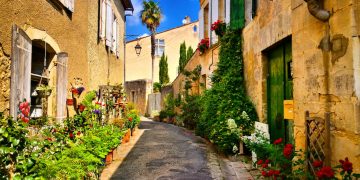









In an age where bustling cities, fast-paced lifestyles, and digital connectivity dominate most of our lives, there remains an undeniable allure in the quiet, unassuming villages and small towns scattered across the globe. These humble locales, often overlooked by mainstream tourism, possess a hidden charm that invites travelers to slow down, reconnect with nature, and immerse themselves in the rhythm of life that is, in many ways, untouched by time.
For centuries, villages and small towns have been the heartbeats of their regions, nurturing a sense of community, preserving ancient traditions, and offering an authentic glimpse into local culture. Whether nestled in the rolling hills of Europe, along the banks of tranquil rivers, or set against the backdrop of expansive deserts, these places are rich in history, beauty, and stories waiting to be discovered.
In this article, we will delve into the unique and hidden charms of villages and small towns, exploring what makes them so special and why they remain an integral part of the global travel landscape. From their captivating landscapes to their vibrant cultures and unhurried pace of life, villages and small towns offer an alternative form of travel that reconnects us with the simpler, yet more meaningful, aspects of life.
1. The Timeless Allure of Rural Life
1.1 A Break from the Urban Rush
The modern world, especially in large cities, often pushes people to live at an unsustainable speed. The constant rush, the never-ending to-do lists, and the need for instant gratification create an atmosphere that is emotionally and physically draining. In stark contrast, villages and small towns offer a refuge from this frenetic pace.
There is something inherently calming about the natural rhythms of rural life—whether it’s the sound of birds chirping at dawn, the smell of freshly baked bread in the morning air, or the slow, deliberate movements of people going about their daily tasks. In villages and small towns, time seems to slow down, allowing travelers to savor every moment and rediscover a sense of tranquility that is often absent in urban centers.
1.2 A Deeper Connection to Nature
One of the most profound aspects of village and small-town life is the intimate connection with nature. Surrounded by expansive fields, lush forests, or rolling hills, these communities often live in harmony with the land. This closeness to nature not only shapes their livelihoods but also influences their worldview.
For many travelers, spending time in a small village offers a chance to experience nature in a way that is often impossible in cities. Whether it’s hiking through wooded trails, swimming in crystal-clear lakes, or simply enjoying a sunset over the fields, small towns and villages allow travelers to reconnect with the earth in a peaceful, unspoiled setting.
2. The Cultural Richness of Villages and Small Towns
2.1 Preserving Tradition and Heritage
Many villages and small towns serve as guardians of cultural heritage. With populations often smaller and more closely knit, these areas are better equipped to maintain traditional practices that might otherwise be lost in larger, more commercially driven cities. Local customs, folk music, dance, handicrafts, and festivals are preserved with pride, offering travelers an authentic look into a culture’s past and present.
- Local Cuisine: Food in villages is often a direct reflection of the area’s history and natural resources. From farm-to-table meals to ancient recipes passed down through generations, rural cuisine is often unpretentious but filled with flavor and authenticity. In small towns, family-run eateries offer unique local delicacies that cannot be found in chain restaurants or tourist traps.
- Traditional Festivals and Celebrations: Many villages and small towns celebrate local festivals that are centuries old. Whether it’s a harvest festival, a religious celebration, or a seasonal fair, these events provide an opportunity for travelers to experience community life at its most genuine. The joy and passion of such celebrations are contagious, and participating in them can offer a deeper understanding of the village’s culture and history.
2.2 Handicrafts and Artisan Work
Rural areas are often home to artisans who continue to practice centuries-old crafts that are deeply rooted in their community. Handmade textiles, pottery, woodworking, and metalworking are just a few examples of the artisanal skills passed down through generations. For travelers, visiting local workshops or purchasing authentic artisanal goods can provide a deeper connection to the place and its people.
Not only does this support the local economy, but it also helps preserve crafts that might otherwise be lost. As more people seek out authentic and locally-made products, these traditional crafts are finding new audiences and gaining recognition on the global stage.
3. The Charm of Small Town Architecture and History
3.1 Historic Buildings and Landmarks
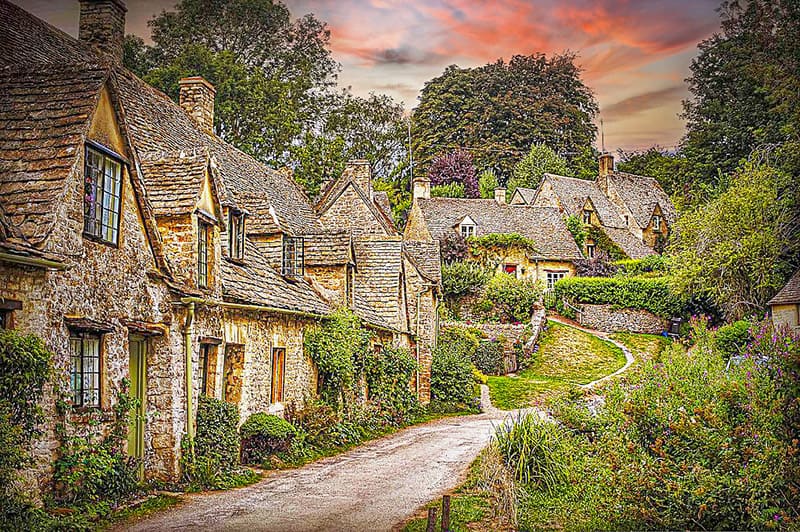
Small towns and villages are often home to historically significant buildings, many of which tell the story of the town’s origins and development. From medieval castles in the Czech Republic to colonial-era architecture in South America, the buildings of these towns serve as living monuments to the past.
Exploring these areas is like stepping back in time—wandering through narrow cobblestone streets, visiting ancient churches, or admiring centuries-old town halls. Each building has a story, and often, the townspeople can offer unique insights and anecdotes about the history embedded in these structures.
- Preserving Local Identity: Architecture in villages and small towns often reflects the local culture and geography. In Italy, for instance, the rustic stone buildings of Tuscany are a testament to the region’s agricultural roots, while the traditional wooden homes of the Nordic countries are perfectly suited to the cold climate. These architectural styles help define the character and charm of the towns and create a sense of place.
3.2 Slow Travel and Sustainable Tourism
The emphasis on slow travel is particularly prominent in villages and small towns, where visitors are encouraged to take their time, engage with locals, and enjoy the present moment. In a world where mass tourism and over-tourism are increasingly damaging to local environments and cultures, small towns offer an alternative form of tourism that is more sustainable and responsible.
Travelers in these regions are encouraged to stay longer, interact with the community, and participate in activities that highlight the region’s natural and cultural heritage. This helps reduce the environmental impact of tourism while supporting local businesses and promoting responsible travel practices.
4. Hidden Gems and Off-the-Beaten-Path Destinations
4.1 Exploring the Lesser-Known Villages
While many tourists flock to well-known destinations like Paris, Rome, or Kyoto, there is an increasing trend towards seeking out the hidden gems of the world—villages and small towns that are off the beaten path but offer equally, if not more, enriching experiences. These less-traveled destinations often reveal the authentic soul of a region, untouched by commercialization and large-scale tourism.
- Scenic Villages in Europe: Villages like Hallstatt in Austria or Riquewihr in France’s Alsace region have gained international fame for their beauty, but there are countless other small towns in Italy, Spain, and Switzerland that offer similar charm without the crowds.
- Undiscovered Rural Areas in Asia: Countries like Vietnam, Nepal, and Indonesia are home to picturesque villages nestled in valleys, mountains, and rivers, where tourists can experience the authentic culture of rural life away from the bustling cities.
4.2 The Unique Landscapes of Rural Areas
From sunset-drenched deserts to verdant rice paddies, rural and small-town areas often boast some of the world’s most beautiful landscapes. In these regions, travelers can explore untouched natural beauty, go hiking, or simply relax by a crystal-clear lake or pristine beach.
The landscapes are often as varied as the villages themselves, with rural areas offering a mix of mountainous terrains, coastal views, and lush forests, making them perfect for eco-tourism and outdoor activities.
5. The Joy of Meeting Locals
5.1 Authentic Interactions with Locals
One of the greatest joys of traveling to villages and small towns is the opportunity for authentic interactions with locals. In these tight-knit communities, people are often eager to share their stories, their culture, and their traditions with visitors. These interactions can provide insights into daily life that are often missed in larger cities, where the pace of life leaves little room for personal connections.
- Learning Local Traditions: Whether it’s helping out with the harvest, learning how to cook a regional dish, or taking part in local ceremonies, travelers in villages often have the chance to actively engage with the culture in a way that is both enriching and meaningful.
5.2 A Strong Sense of Community
In many villages, there is a strong sense of community and belonging, and travelers often feel welcomed as part of this community. This sense of connection, so often lost in the anonymity of big cities, is one of the most appealing aspects of rural travel. The relationships formed in small towns can be deeply personal, leaving lasting memories and connections that span borders and cultures.
Conclusion: The Enduring Charm of Villages and Small Towns
While large cities certainly have their appeal, it is the villages and small towns that often offer the most authentic and meaningful travel experiences. These hidden gems, with their rich culture, breathtaking landscapes, and warm communities, offer a unique opportunity to experience the world in a more personal, slow, and thoughtful way.
For those willing to venture off the beaten path, the rewards are boundless. The hidden charms of villages and small towns invite travelers to slow down, reconnect with nature, engage with local cultures, and discover the deeper meaning of travel. These places, often overlooked by mass tourism, are the heart and soul of many regions, and they have much to offer those willing to explore their secret corners and embrace the slower, more deliberate pace of life.