








In the realm of modern travel and adventure, weather forecasting has become one of the most crucial elements for ensuring safety. Whether you’re exploring urban landscapes or trekking through the wilderness, the weather can have a profound impact on your journey. From unexpected storms and extreme temperatures to more subtle changes in climate, weather conditions can either enhance or severely disrupt your travel plans.
Monitoring weather forecasts is especially vital for adventurers, travelers, and anyone embarking on outdoor activities. Natural environments, particularly those less developed or off-the-beaten-path, can harbor unpredictable and potentially dangerous conditions. For this reason, understanding the forecasts and how to react to them is a fundamental part of preparation. This article delves into the importance of regularly checking weather reports, how to interpret weather alerts, and how this information can protect you from unexpected dangers.
1. The Role of Weather in Travel Safety
1.1 The Unpredictable Nature of Weather
While modern technology has significantly improved our ability to predict weather patterns, weather is inherently unpredictable. Extreme weather events, such as hurricanes, wildfires, and blizzards, can develop unexpectedly and pose significant threats to travelers. Similarly, in regions like the mountains or deserts, conditions can change rapidly, creating potential risks even for experienced adventurers.
- Sudden Storms: In regions like the tropics or high altitudes, thunderstorms can develop without warning. Lightning strikes, flash floods, and strong winds are among the risks associated with such storms. Travelers in these areas need to stay vigilant and adjust plans accordingly.
- Temperature Extremes: Whether it’s extreme heat in the desert or freezing temperatures in northern latitudes, temperature fluctuations can impact travelers’ safety. Heatstroke, hypothermia, and frostbite are life-threatening conditions that can be triggered by not understanding or preparing for temperature extremes.
1.2 The Impact of Weather on Activities
When engaging in outdoor activities such as hiking, camping, boating, scuba diving, or climbing, weather conditions play a pivotal role. These activities are often located in areas where weather can be more severe and unpredictable. A sudden storm or heavy rainfall can make a mountain trail slippery and dangerous or even result in flash floods, turning an enjoyable adventure into a life-threatening scenario.
- Hiking and Trekking: In mountainous or forested areas, sudden shifts in weather conditions like fog, rain, or snow can reduce visibility and create hazardous footing. Unpreparedness for such changes increases the likelihood of accidents such as falls, hypothermia, or dehydration.
- Water-Based Adventures: For water sports like kayaking, sailing, or diving, wind patterns and sea currents are critical factors in safety. In some places, sudden changes in weather can lead to strong waves and currents that make travel on water treacherous.
2. Why Monitoring the Weather is Crucial for Travelers
2.1 Avoiding Natural Disasters
Travelers venturing into areas prone to natural disasters must stay especially informed about weather forecasts. Natural disasters such as hurricanes, earthquakes, floods, and tornadoes are not only unpredictable but can also devastate entire regions. Staying updated on weather forecasts can mean the difference between being caught in a disaster zone and avoiding it.
- Hurricane Tracking: If traveling in areas prone to hurricanes, it’s crucial to follow weather warnings. Evacuation plans, shelter information, and evacuation routes will be included in such alerts. Travelers who fail to heed warnings risk being stranded in dangerous conditions.
- Flood Risk: Areas prone to flash flooding should always be closely monitored. Heavy rainstorms can rapidly alter the landscape, turning roads and trails into dangerous torrents. In places near rivers, the risk of rising water levels can also be a significant concern.
- Wildfires: For those exploring dry regions such as California or Australia, wildfires can be a significant danger. Extreme heat and dry conditions combined with lightning or human activity can quickly lead to uncontrollable wildfires.
2.2 Preventing Health Risks
Beyond the direct dangers of natural disasters, weather conditions also have a profound impact on physical health. Staying aware of weather conditions can help avoid conditions such as heatstroke, hypothermia, and dehydration, which can occur quickly in extreme climates.
- Heatstroke and Dehydration: Travelers venturing to hot climates or engaging in physically demanding activities (e.g., mountain trekking, hiking) need to monitor temperature forecasts. Overexposure to high temperatures without proper hydration and protection can lead to life-threatening conditions.
- Hypothermia: Conversely, travelers in colder climates must monitor forecasts to avoid sudden drops in temperature, which could lead to hypothermia or frostbite.
- Altitude Sickness: In mountainous areas, weather can exacerbate symptoms of altitude sickness. Travelers going to high altitudes must be prepared for rapidly changing weather, including sudden snowfalls and freezing temperatures.
2.3 Enhancing Overall Travel Planning
Knowing what to expect weather-wise can significantly enhance travel planning. For instance, avoiding rainy seasons or hurricane seasons in certain regions will not only keep you safe but also make for a more enjoyable trip overall. Monitoring the weather forecast enables travelers to:
- Choose the best time to travel: Seasonal forecasts allow travelers to select the best period for outdoor activities, ensuring pleasant weather conditions.
- Pack appropriately: Travelers can pack for the weather conditions they’re likely to face, reducing the risk of underpacking or overpacking.
- Plan flexible itineraries: By understanding potential weather challenges, you can adjust your itinerary in advance, ensuring that your trip remains enjoyable even when the weather takes an unexpected turn.
3. How to Monitor Weather Forecasts Effectively
3.1 Use Reliable Sources
The first step in staying informed is knowing where to get your weather updates. Not all sources are equally reliable, so it’s important to use reputable weather services that offer timely and accurate data.
- National Weather Services: Many countries have national weather services that offer real-time, location-specific forecasts. These can be accessed via websites, apps, or radio broadcasts.
- Global Forecasting Tools: AccuWeather, The Weather Channel, and BBC Weather are popular global tools offering up-to-date weather reports and alerts.
- Specialized Apps for Travelers: Apps like Windy, Snow-Forecast, and Mountain Weather provide specialized information on weather conditions, including forecasts for specific activities such as skiing, hiking, or sailing.
3.2 Stay Updated in Real Time
Weather conditions can change rapidly, particularly in remote or mountainous areas. Travelers should always make it a habit to check weather reports regularly and use real-time alerts.
- Weather Alerts: Enabling push notifications for weather warnings on your phone is essential. Many apps allow you to set location-specific weather alerts so you can be notified immediately if conditions change.
- Social Media and News Channels: In addition to weather apps, social media platforms (such as Twitter or Facebook) and news channels often post updates on sudden weather changes or local emergencies, which can be especially helpful when traveling to unfamiliar destinations.
3.3 Use Weather-Tracking Technology
Advancements in technology have made it easier than ever for travelers to track weather. Travelers heading into more remote or rugged destinations might want to invest in satellite phones or devices that can provide GPS tracking and weather information even in areas without internet access.
- Satellite Phones: Devices like the Iridium satellite phone provide communication access in remote areas, allowing travelers to access weather reports or call for help in an emergency.
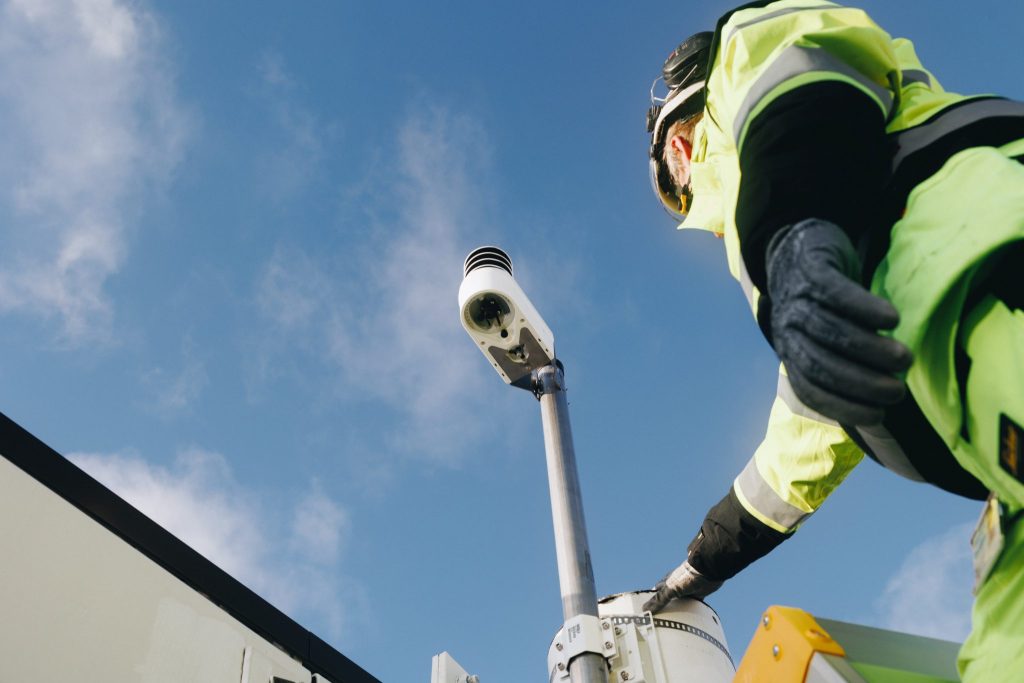
- Weather Satellites and Personal Weather Stations: For those on long journeys, portable weather stations or satellite weather tools can provide continuous monitoring of environmental conditions, keeping travelers informed on temperature shifts, storm movements, and air quality levels.
4. Reacting to Weather Forecasts: What to Do in Dangerous Conditions
4.1 Take Precautionary Measures
When weather forecasts signal the possibility of dangerous conditions, it’s crucial to adjust your plans promptly. If you’re in a region that’s prone to extreme conditions such as thunderstorms, blizzards, or hurricanes, the following steps should be taken:
- Avoid Travel: If severe weather is predicted, avoid traveling to areas where the risk is highest. Stay indoors or take shelter until the weather passes.
- Seek Shelter: If you’re in an open area and a storm approaches, find shelter immediately. If no buildings are nearby, consider temporary shelters like tents or cars.
- Equip Yourself: Always pack weather-appropriate gear such as rain jackets, sunscreen, insulated clothing, and portable water bottles.
4.2 Know the Emergency Protocols
In the event of an emergency, it’s crucial to know how to react:
- Evacuate if Necessary: If severe weather is imminent, evacuate the area promptly, following official evacuation routes.
- First Aid: Understand basic first aid procedures for weather-related injuries like heatstroke, frostbite, or dehydration.
- Communicate: Inform family or friends of your location, and share your planned itinerary before heading into areas with potentially dangerous weather.
5. The Future of Weather Awareness in Travel
As technology continues to advance, weather forecasting tools will become increasingly accurate and user-friendly. The integration of AI and machine learning into weather prediction models will provide travelers with more precise and reliable forecasts.
- Personalized Weather Alerts: Future advancements may allow for more personalized alerts based on specific travel activities, such as real-time weather updates for trekkers or divers.
- Climate Adaptation: As the climate continues to change, understanding the long-term impacts of weather on travel will become even more important. Travelers will need to adjust their expectations and plans to accommodate shifting weather patterns and climate changes in different regions.
Conclusion
In conclusion, staying informed about weather conditions is not just about convenience—it’s a matter of safety. Whether you are heading into the wilderness or exploring a bustling city, understanding the weather patterns and preparing for them is key to avoiding dangerous situations. By using reliable tools, paying attention to real-time forecasts, and adjusting your travel plans as needed, you can ensure a safer and more enjoyable travel experience. Remember, a little preparation today can make a world of difference when it comes to navigating the unpredictable world of weather. Stay safe, stay informed, and let your journeys be guided by the wisdom of weather forecasts.