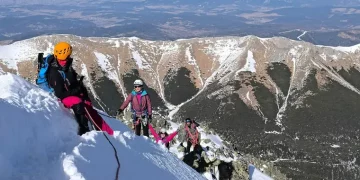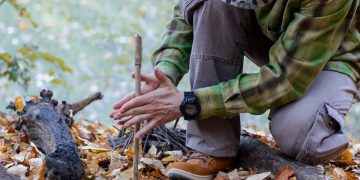









In the modern world, many of us are increasingly disconnected from the natural environments that once demanded our survival skills. However, the growing interest in adventure travel, outdoor exploration, and emergency preparedness has led to a resurgence in wilderness survival training. This type of training teaches individuals how to survive and thrive in extreme conditions, far from civilization and away from the comforts of modern technology.
Whether you’re hiking in the mountains, trekking through dense forests, or navigating remote deserts, wilderness survival training is essential for anyone venturing into the wild. This article explores the significance of wilderness survival training, key techniques and skills required, the types of environments one might encounter, and how such training can be applied both to outdoor adventures and emergency situations.
1. The Importance of Wilderness Survival Training
1.1 Understanding Wilderness Survival
Wilderness survival refers to the art of staying alive when stranded or lost in the wilderness. Unlike urban survival situations, wilderness survival typically involves conditions such as extreme weather, limited access to food and water, and potential encounters with wild animals. It is not simply about finding shelter and staying warm; it’s about understanding your environment, knowing how to use the natural resources around you, and applying specific techniques to stay safe until help arrives or until you can safely navigate your way back to civilization.
Survival training focuses on developing mental resilience, learning specific practical skills, and understanding the importance of self-reliance in the wild. Successful survival in the wilderness is as much about mindset as it is about skills. It requires the ability to think clearly under stress, prioritize tasks, and maintain optimism in challenging situations.
1.1.1 Wilderness Survival Statistics
While there are no exact statistics on how often people get lost in the wilderness, experts estimate that thousands of hikers, campers, and adventurers each year find themselves in dangerous or life-threatening situations due to lack of preparation. Many of these incidents could be avoided with proper training.
2. Key Skills in Wilderness Survival
2.1 Shelter Building
One of the first priorities in any survival situation is to build a shelter that protects you from the elements. Exposure to harsh weather conditions, such as rain, wind, or snow, can be life-threatening, especially if you’re not dressed appropriately.
There are several types of shelters you can build, depending on the environment you are in. A few examples include:
- Debris shelters: These are built using leaves, branches, and other natural materials. They are commonly used in forests or areas with abundant vegetation.
- Snow shelters: In snowy regions, a quinzee (a snow cave) can be dug to provide protection from cold temperatures.
- Tarp shelters: If you have access to a tarp or poncho, this can be quickly set up to create shelter from rain or sun.
2.1.1 Essential Shelter Techniques
- Insulation: Insulating your shelter from the ground is crucial to prevent heat loss. Layering materials like dry leaves, pine needles, or branches will help.
- Ventilation: Ensure that your shelter has proper ventilation to avoid the buildup of moisture, which can lead to hypothermia.
2.2 Fire Making
Fire is one of the most crucial tools in a survival situation. It provides warmth, light, a means of cooking, and can also be used for signaling for help. Knowing how to start a fire in different conditions—whether it’s wet, windy, or freezing—is an essential survival skill.
2.2.1 Fire Starting Methods
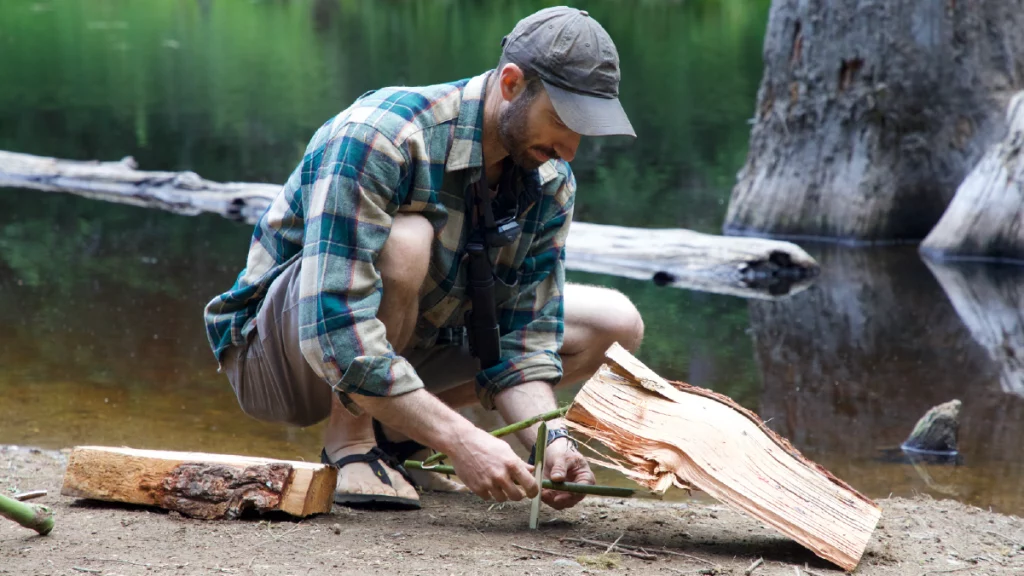
- Friction-based methods: These include bow drills and hand drills, which rely on the friction of wood to create an ember.
- Flint and steel: Striking flint against steel produces sparks that can ignite tinder.
- Modern fire starters: Matches, lighters, and fire sticks are essential in many wilderness survival kits and can be used to ignite a fire quickly.
2.2.2 Tinder and Kindling
Understanding how to identify and use tinder and kindling is essential. Tinder is a highly flammable material, such as dry grass, bark, or cotton, which is used to catch the spark from a fire starter. Kindling refers to small sticks or branches that catch fire from the tinder and burn long enough to start larger logs.
2.3 Water Procurement and Purification
In a survival situation, water is your most critical resource. The human body can survive for weeks without food, but only days without water. It’s essential to know how to find and purify water when you’re in the wild.
2.3.1 Finding Water
Water can be found in many natural environments. Some sources include:
- Streams and rivers: Moving water is typically cleaner than standing water.
- Rainwater: Use containers to collect rainwater for drinking.
- Plant water: In arid environments, certain plants like cacti or pine trees can be tapped for water.
2.3.2 Purification Techniques
Once you’ve found water, it must be purified to avoid waterborne illnesses. Common purification methods include:
- Boiling: Boiling water for at least one minute kills most pathogens.
- Water filters: Compact water filters can be carried in a survival kit and used to purify water from natural sources.
- Chemical purifiers: Tablets or drops of iodine or chlorine can also be used to disinfect water.
2.4 Food Procurement
Finding food in the wilderness can be a challenge, but it is possible with the right knowledge. While humans can survive for weeks without food, maintaining energy levels is critical for physical strength and mental clarity.
2.4.1 Foraging for Edible Plants
Many plants in the wild are edible and nutritious. Knowing how to identify them is crucial. Some of the most common edible plants include:
- Dandelions: Roots, leaves, and flowers are all edible.
- Wild berries: Blueberries, raspberries, and blackberries grow in many regions.
- Nuts and seeds: Acorns, pine nuts, and sunflower seeds are nutrient-rich.
2.4.2 Hunting and Fishing
While foraging can provide some food, having the ability to hunt or fish is an essential skill for extended wilderness survival. In many cases, setting traps or using improvised fishing tools can be a lifesaver. Techniques include:
- Trapping: Learn how to make basic snares or traps to catch small game like rabbits or squirrels.
- Fishing: Improvised fishing gear, such as a makeshift spear or net, can help procure fish from rivers or lakes.
3. Psychological Aspects of Survival
Surviving in the wilderness is not just about physical endurance; mental resilience is just as critical. The mental and emotional challenges of being lost or isolated in the wilderness can be overwhelming.
3.1 Staying Calm
One of the most important survival techniques is to stay calm and think clearly. Panic can lead to poor decision-making, which can make an already dangerous situation worse. Developing a mindset of self-reliance and problem-solving will help you to navigate through challenging circumstances.
3.2 The Rule of Threes
In survival training, a helpful mental framework is the Rule of Threes:
- You can survive 3 minutes without air.
- You can survive 3 hours without shelter in extreme conditions.
- You can survive 3 days without water.
- You can survive 3 weeks without food.
This rule helps prioritize survival actions, focusing on the most critical needs first.
4. Wilderness Survival Training Programs
4.1 Professional Survival Courses
There are many organizations and companies that offer wilderness survival courses, from weekend workshops to multi-week expeditions. These courses teach a variety of survival skills in both classroom and real-world environments. Some well-known survival schools include:
- The National Outdoor Leadership School (NOLS)
- Survival Training School of California
- The Wilderness Awareness School
These courses are taught by experienced instructors who have firsthand knowledge of surviving in extreme environments. They teach both the practical skills needed for wilderness survival and the psychological strategies for maintaining calm and focused decision-making in emergency situations.
5. Conclusion: Why Wilderness Survival Training is Essential
Wilderness survival training is not just about learning to survive; it’s about learning to thrive in some of the most challenging conditions nature can throw at us. Whether you’re an avid outdoors enthusiast, an aspiring adventurer, or simply someone who wants to be better prepared in case of an emergency, wilderness survival training equips you with the knowledge and skills needed to stay safe, calm, and resourceful in the wild.
By learning essential survival techniques such as shelter building, fire making, water purification, and food procurement, you not only ensure your safety in remote environments but also gain a greater respect and appreciation for the natural world. The self-reliance and mental toughness developed through wilderness survival training are invaluable in all areas of life, making it an investment that goes beyond the wilderness.
With the right training, anyone can survive, adapt, and even flourish in the wild, turning adversity into opportunity. The skills and lessons learned in wilderness survival are universally applicable—teaching resilience, creativity, and the importance of being prepared.