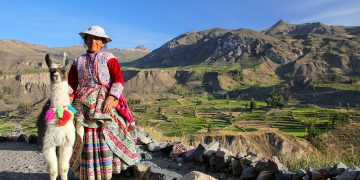









Travel has a profound ability to change lives. For some, it’s a journey of exploration, a quest to see the world’s most iconic landmarks or experience its wildest adventures. For others, travel becomes a search for something deeper, a path that leads to personal transformation. Few experiences embody this more vividly than the stories of backpackers who, during their travels through South America, find themselves unexpectedly “lost” in small towns—places far removed from the typical tourist route.
In these towns, where the rhythm of life is slower and the hustle of modern cities seems distant, many travelers encounter something unexpected. By connecting with local communities, participating in volunteer projects, and immersing themselves in a simpler, more meaningful way of life, these wanderers often end up finding not only new perspectives on the world but a new outlook on their own lives. This article explores the transformative journeys of these travelers who, through serendipitous encounters and human connection, change their life trajectories during their time in small South American towns.
The Unlikely Beginning: Lost in a Foreign Land
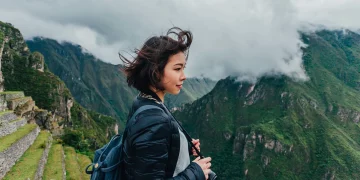
Travelers heading to South America often begin their journeys with a sense of adventure and curiosity, eager to explore the continent’s natural wonders, vibrant cities, and rich cultures. Many backpackers, with their trusty backpacks and well-worn maps, are intent on following well-established routes—through cities like Buenos Aires, Rio de Janeiro, Lima, and Santiago. Yet, it is often in the quieter, less-traveled towns—those nestled in the Andes, hidden in the Amazon Basin, or along the coastal cliffs—that backpackers find themselves truly “lost.”
But being lost in this context is far from a negative experience. It refers not only to losing one’s way geographically, but also to the feeling of being disconnected from one’s daily routine and familiar surroundings. In these small towns, backpackers are often far removed from the tourist trail, with no obvious map or guide to follow. The towns themselves are steeped in history and culture, their residents living a way of life that is sometimes in stark contrast to the fast-paced, digitally-connected world travelers come from.
This sense of being lost in a new place can be jarring at first. The lack of modern amenities or the absence of familiar comforts can be unsettling. However, it is precisely this disorientation that opens the door to self-discovery and personal transformation. In the absence of distractions and expectations, backpackers often begin to connect with the essence of the places they visit—both the environment and the people.
The Power of Human Connection: Conversations with Locals
One of the most profound aspects of being “lost” in a foreign town is the opportunity to connect with locals. In bustling cities, interactions are often transactional, brief, and surface-level. In small towns, however, life moves at a slower pace, and people are often more open to forming deeper connections. Here, travelers have the chance to engage in meaningful conversations that can reshape their perceptions of the world.
Many backpackers find that their most powerful experiences come not from sightseeing, but from the time spent with local people. These conversations can range from casual chats in a market to more intimate exchanges in someone’s home. For example, a traveler may share a meal with a family and hear stories of their history, their struggles, and their hopes for the future. These moments of connection often provide insights into the challenges and joys of life in a rural town, giving travelers a new perspective on issues such as poverty, community, and resilience.
As backpackers listen to the stories of locals, they often begin to recognize the universal aspects of the human experience: the desire for connection, the need for purpose, and the hope for a better future. This understanding can be deeply transformative, leading to a shift in the traveler’s worldview. Instead of seeing themselves as outsiders, travelers often begin to see themselves as part of a larger global community, connected through shared human experiences.
The Call to Give Back: Volunteering and Community Work
In many cases, the connections forged in these small towns lead backpackers to a desire to give back. The sense of being “lost” in a foreign place often compels travelers to reevaluate their priorities and look for ways to contribute meaningfully to the communities they visit. One of the most impactful ways to do this is through volunteering.
Volunteerism is a powerful tool for personal growth and cultural exchange. By dedicating time and energy to local projects, travelers can immerse themselves in the community in a way that goes far beyond mere tourism. Whether helping with environmental conservation efforts, teaching English to children, assisting in local health clinics, or supporting small-scale development projects, volunteer work allows travelers to contribute directly to the well-being of the community they are visiting.
For backpackers, the decision to volunteer is often prompted by a combination of empathy, curiosity, and a desire for deeper engagement. Many travelers who come to South America seeking adventure leave with something much more profound: a renewed sense of purpose and a commitment to making a positive impact in the world. The process of helping others can be humbling, and the sense of fulfillment that comes from giving back often leads to a redefinition of success—one that is not measured by personal achievement but by the difference made in the lives of others.
Transformational Encounters: Shifting Perspectives
Through their volunteer work, backpackers often encounter new challenges and perspectives that force them to reassess their values and goals. In many small South American towns, the realities of life are starkly different from the comforts that many travelers are accustomed to. Poverty, inequality, and lack of access to basic resources can be eye-opening experiences for those who have never been exposed to such issues before.
For example, a traveler who volunteers in a rural Peruvian village might work alongside local farmers to improve agricultural techniques. Through this work, they may develop a deeper understanding of the complexities of sustainable farming and the struggles that small communities face in the face of climate change and economic uncertainty. Similarly, a backpacker who volunteers at a local school in a Bolivian town might witness firsthand the challenges of providing education in a remote area, where resources are limited and students often walk miles to get to class.
These experiences are often transformative, leading travelers to question their own privilege and reconsider their sense of purpose. Many backpackers leave these experiences with a renewed sense of gratitude for their own lives and a desire to contribute more meaningfully to the global community. These encounters also often prompt a shift in how travelers define success, as they begin to measure their lives not by material wealth or career achievements but by the positive impact they have on the world around them.

Finding a New Sense of Purpose: Life After Travel
The transformation that occurs in these small South American towns doesn’t end when the backpacker leaves. In fact, many travelers find that their experiences have a lasting impact on their personal lives and future choices. For some, the time spent volunteering or engaging with local communities becomes the catalyst for a career change or a commitment to social justice work. For others, the insights gained during their travels inspire them to lead more intentional, purpose-driven lives.
Some backpackers choose to dedicate their careers to international development, working with NGOs or local organizations to create positive change in the areas they visited. Others may become involved in environmental activism, advocating for the preservation of natural resources and the rights of indigenous communities. For many, the journey is not just about seeing new places but about finding a deeper sense of meaning and purpose that they carry with them long after their travels have ended.
Conclusion: The Power of Being Lost
Travel is often seen as a pursuit of exploration, but for those who find themselves “lost” in the small towns of South America, the journey becomes something far more profound. Through their encounters with locals, their volunteer work, and their immersion in the daily lives of communities, these backpackers undergo a transformation that shapes the rest of their lives. The experience of being lost—geographically, emotionally, and culturally—becomes a gateway to self-discovery, compassion, and purpose.
In the end, it is not the destinations or the famous landmarks that define a traveler’s journey, but the moments of connection, understanding, and growth that occur along the way. For those willing to embrace the unknown and step off the beaten path, South America’s small towns offer the opportunity for a life-changing adventure that goes far beyond mere sightseeing.