





Travel is an invitation to the unknown. It’s about immersing oneself in unfamiliar cultures, experiencing new landscapes, and encountering a world different from our everyday life. However, what often makes travel truly memorable aren’t the planned itineraries or famous landmarks; it’s the unexpected encounters, the moments of serendipity that seem to appear out of nowhere. Whether it’s a spontaneous conversation with a local, a detour that leads to an unforgettable view, or a random connection that alters the course of your journey, these “lost” moments often prove to be the most rewarding.
In this article, we’ll explore the beauty of serendipity in travel—those unforeseen, delightful experiences that define the essence of exploring new places. We’ll examine how these moments manifest, the psychology behind them, the cultural significance, and why they leave a lasting impact on our travels.
The Meaning of Serendipity in Travel
Serendipity refers to those fortunate discoveries that happen by accident, often when least expected. In travel, these serendipitous moments could be as small as stumbling upon a hidden café in an alley, or as profound as an unplanned meeting that turns into a life-changing friendship. They are not part of the itinerary, and they often don’t seem to have any purpose at first. However, it’s these moments that often end up being the highlights of a journey.
The concept of serendipity draws on chance, but there’s more to it than mere coincidence. It speaks to the fluidity of time and the unpredictability of life. As travelers, we step into unknowns, relinquishing control over our surroundings. It is within this uncertainty that serendipity thrives—when we allow ourselves to wander, to lose ourselves in a new place, and to embrace the unexpected.
Serendipity and the Psychology of Travel
Psychologically, travel opens up the mind in ways that our everyday routines often do not. When we travel, we are often outside of our comfort zones, experiencing unfamiliar sights, sounds, and smells. Our minds are more alert, our senses heightened, and we become more receptive to new experiences. This heightened state of awareness makes us more likely to notice things we otherwise might overlook.
Additionally, travel allows us to be more spontaneous and flexible in our actions. When we are not bound by rigid schedules or expectations, we have the space to explore freely and make decisions based on intuition rather than logic. This openness to the present moment fosters an environment ripe for serendipity to occur. Whether it’s striking up a conversation with a fellow traveler or taking a detour on a hiking trail, when we embrace the randomness of travel, we open ourselves to moments that can’t be planned or predicted.
The Art of Getting Lost
In a world dominated by GPS navigation and meticulously planned itineraries, getting lost has become an increasingly rare experience. However, it is often in these moments of being “lost” that we discover hidden gems. A wandering street, an uncharted village, or an unknown trail often leads to places that guidebooks and maps fail to mention.
The act of getting lost, metaphorically and physically, is an invitation to stumble upon experiences that are off the beaten path. In cities like Paris, Rome, or Kyoto, it’s the small, tucked-away corners—the quiet parks, the hidden courtyards, the obscure museums—that offer some of the most unique insights into a place’s character. These encounters, while unpredictable, are sometimes the best way to capture the authentic soul of a destination.
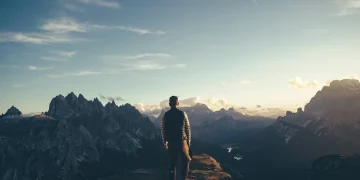
In rural areas or natural settings, the experience of getting lost can be even more profound. A wrong turn while hiking might lead to an uncharted waterfall, an abandoned castle, or a secluded viewpoint. The thrill of stumbling upon something unexpected in nature—the feeling of being alone with the vastness of the landscape—can evoke deep emotions and a sense of awe.
The Unexpected Connections: Stranger Encounters
Travel is not only about exploring new places, but also about meeting new people. While we often travel to see the world, sometimes it is the people we meet along the way that change our perspectives the most. Whether it’s a chance encounter with a local shopkeeper who shares their life story or a fellow traveler who invites you to join them for a meal, these serendipitous meetings can alter the course of your journey.
For example, in a small café in Istanbul, a traveler may find themselves seated next to a local who has lived through the city’s various historical transformations. In this spontaneous conversation, they might learn about hidden parts of the city that are unknown to tourists, or gain insight into a culture from a personal perspective. These encounters are often humbling, as they remind us of the universality of human experience despite the differences in our backgrounds.
In some cases, these meetings can spark lifelong friendships. Many travelers can recount stories of meeting someone in a foreign country and forming a bond that transcends borders. These relationships often begin with a shared moment of serendipity—a moment that neither party could have planned, but one that becomes an integral part of their travel story.
The Power of Local Hospitality
One of the most striking aspects of serendipitous encounters in travel is the generosity of local people. Whether you find yourself stranded in a remote village or simply asking for directions, there is often a warmth and hospitality that travelers are lucky enough to experience. In some places, strangers go out of their way to make sure visitors feel welcome, offering food, shelter, and companionship.
In Morocco, for instance, a traveler may be invited into a Berber home for a cup of mint tea. In rural Thailand, a local farmer may invite you to join their family for dinner. These seemingly small gestures of kindness can have a lasting impact, and often change the way we see the world. The sincerity of local hospitality is a testament to the power of human connection, and a reminder that the best travel experiences are often not those planned ahead, but those that arise unexpectedly through human interaction.
Cultural Encounters: Learning Through Serendipity
Beyond personal connections, serendipity in travel can also extend to cultural experiences. When travelers least expect it, they may stumble upon local festivals, traditional ceremonies, or cultural practices that are not advertised to tourists. These unexpected cultural encounters offer a deeper understanding of a place and its people.
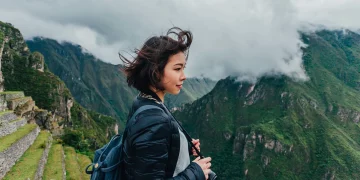
In India, for example, a traveler might happen upon a local religious festival while wandering through the streets of Varanasi. This chance encounter might offer a glimpse into the profound spiritual practices that have been passed down for centuries. Similarly, in Peru, a hiker may come across an indigenous community performing a ritual at a remote high-altitude village. These experiences not only offer a unique cultural perspective, but they also create lasting memories and foster a sense of connection to the place.
Cultural serendipity also reminds us of the diversity of human experience and the richness of the world’s many traditions. In each encounter, whether with people or practices, we find opportunities to learn and expand our worldview, and these moments often leave a deeper impression than the most famous landmarks or guided tours.

Serendipity in Nature: The Beauty of Uncharted Territory
Nature, too, offers its share of serendipitous moments. A hike through an unfamiliar forest might lead to a hidden lake that no map indicates. A walk along the coast might bring you across a pristine beach, untouched by other tourists. These moments of wonder in the natural world provide a sense of discovery, a reminder that there is still much to explore outside of human-made structures and planned destinations.
For instance, in Iceland, a road trip through the countryside may lead to an unexpected view of a volcanic eruption, or a geothermal spring tucked away in a valley. In the jungles of Costa Rica, travelers may stumble upon a troop of howler monkeys or a rare bird species they would never have seen if they had stuck to a set itinerary. These encounters, though unplanned, deepen the sense of connection to the planet and remind us of the wild, untamed beauty that still exists in the world.
How to Embrace the Unexpected
While serendipity cannot be forced, there are ways to embrace the unknown and increase the likelihood of unexpected encounters. Traveling without rigid plans, allowing for spontaneity, and being open to change are essential steps in fostering a mindset that attracts serendipitous experiences.
Moreover, developing a sense of curiosity, taking detours, and engaging with locals can open doors to moments that would otherwise remain closed. Most importantly, being present and mindful of the moment is key. Often, the best experiences happen when we stop worrying about the destination and focus on the journey itself.
Conclusion: The Magic of the Unexpected
Travel is about more than visiting famous landmarks and checking items off a bucket list. It’s about embracing the unexpected, about letting go of the need to control every aspect of the journey. It’s in the moments of serendipity that travel becomes truly magical. These unexpected encounters, whether with people, places, or cultures, are what make travel an enriching and transformative experience.
The next time you find yourself wandering down an unfamiliar street, lost in the beauty of a foreign city, or striking up a conversation with a stranger, remember that these moments of serendipity are often the essence of travel. In the end, it’s the unplanned, the unknown, and the accidental that create the most unforgettable stories.