









The allure of ancient ruins has long captivated human curiosity. From the grandeur of the pyramids in Egypt to the mystique of Machu Picchu in the Andes, these remnants of past civilizations offer a glimpse into the histories and cultures that shaped the world. Yet, for all the well-known archaeological sites that have been extensively studied and documented, there remain countless ancient ruins around the globe that are still shrouded in mystery, awaiting discovery and full understanding.
Despite advances in technology and archaeology, many ancient sites remain hidden beneath dense jungles, buried under centuries of earth and debris, or concealed in remote, difficult-to-reach locations. Some are known only through legends, while others are entirely unknown to modern science. These ancient ruins, some of which predate recorded history, present an exciting opportunity for exploration and discovery.
This article delves into the many ancient ruins that have yet to be fully discovered or understood by the modern world. It examines the challenges of uncovering these ancient sites, the significance they hold for historians and archaeologists, and the importance of preserving them for future generations. By exploring some of the most enigmatic and elusive ruins still waiting to be uncovered, we gain a deeper appreciation of our shared human heritage and the mysteries of the past.
The Mystique of Unexplored Ancient Ruins
For centuries, humanity has been fascinated by the ruins of past civilizations. These sites often offer insight into the art, architecture, and technology of ancient peoples. However, many ancient ruins still lie buried, their stories waiting to be told. The quest to find and understand these places is not only about uncovering the past but also about connecting to our collective human history.
1. Why Are So Many Ancient Ruins Unexplored?
There are several reasons why many ancient ruins remain hidden or unexplored. The most obvious is the simple passage of time. Over centuries, many ancient sites have been buried under layers of earth, vegetation, or urban development. Natural disasters, such as earthquakes, floods, or volcanic eruptions, have often contributed to the destruction or submergence of ancient cities. In some cases, civilizations themselves abandoned their cities, leaving them to be reclaimed by nature.
In other cases, the geographical isolation or political instability of certain regions has prevented archaeological expeditions from accessing or exploring these ruins. Some ancient sites lie deep in jungles, deserts, or remote mountain ranges, requiring significant resources, technology, and effort to uncover. Political unrest, conflict, and wars have also hampered archaeological efforts, as many ancient ruins lie in regions that have experienced long periods of instability.
Furthermore, modern technology, while immensely helpful, has not always been available to assist archaeologists in locating and studying these ancient remains. It is only in recent decades, with the advent of satellite imagery, aerial surveys, and ground-penetrating radar, that the scope of our knowledge about undiscovered ruins has expanded.
2. The Role of Technology in Discovering Ancient Ruins
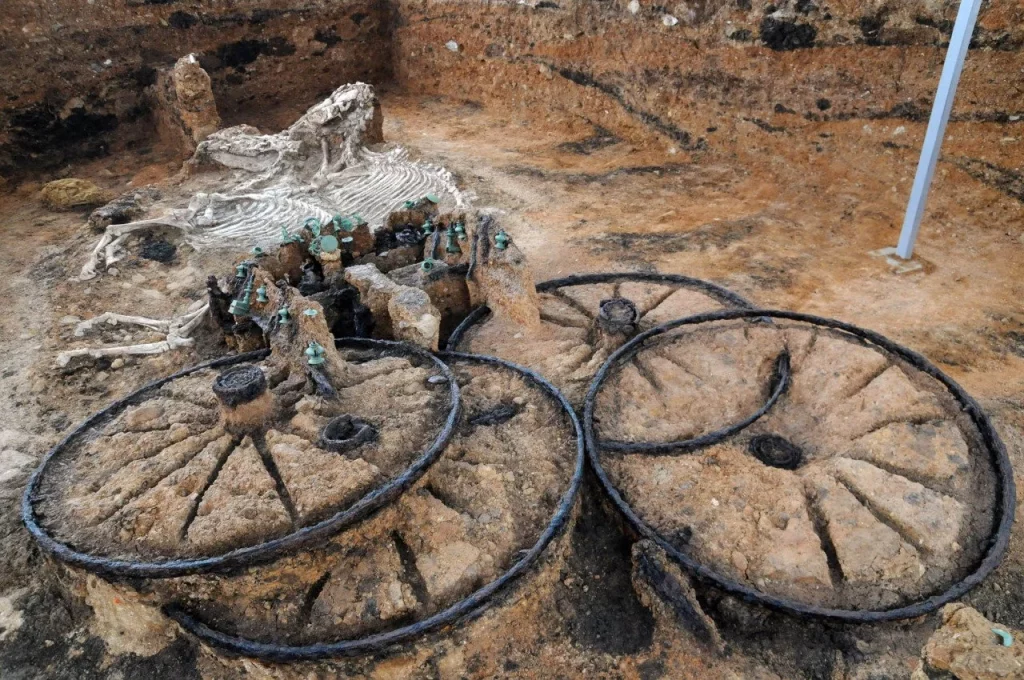
Recent technological advancements have revolutionized the field of archaeology and allowed researchers to discover and explore ancient ruins that were previously hidden. Techniques such as LiDAR (Light Detection and Ranging), which uses lasers to map the surface of the Earth, have enabled archaeologists to uncover structures beneath dense jungle canopies and other obscured landscapes. Satellite imaging and remote sensing technologies have also provided invaluable tools for identifying possible locations of undiscovered ruins from the air.
In addition, drones and ground-penetrating radar are now commonly used to scan large areas of land for signs of ancient structures. These methods have significantly sped up the process of locating ancient ruins, allowing archaeologists to study vast areas without disturbing the natural environment. In some cases, they have even identified ancient cities or temples that were completely unknown to modern scholars, opening up entirely new chapters in the study of human history.
Notable Ancient Ruins Yet to Be Fully Discovered or Explored
1. The Lost City of the Monkey God (Honduras)
In 2015, a team of archaeologists, aided by technology such as LiDAR, discovered the remains of a lost city in the dense jungles of Honduras, a site that had remained hidden for centuries. This city, often referred to as the “Lost City of the Monkey God,” was built by an unknown civilization and remained a mystery for much of history.
The discovery came after years of speculation, as local indigenous groups had long spoken of a lost city deep in the forest. The site is remarkable not only for its well-preserved ruins but also for the fact that it has remained untouched by modern civilization for so long. The site includes plazas, ceremonial centers, and large stone sculptures, and it offers the possibility of revealing more about the pre-Columbian civilizations of Central America.
However, many areas of the city remain unexplored, and its full history has yet to be uncovered. The site is not only a significant archaeological discovery but also a reminder of how much of the world’s ancient history remains hidden, waiting for the right combination of technology, resources, and determination to bring it to light.
2. The City of Dwarka (India)
The ancient city of Dwarka, mentioned in Hindu mythology as the kingdom of Lord Krishna, is believed by some to be more than just a legend. According to ancient texts, Dwarka was submerged beneath the waters of the Arabian Sea thousands of years ago. However, recent underwater archaeological surveys off the coast of modern-day Dwarka, Gujarat, have revealed structures that appear to be man-made, suggesting that a city could indeed have once existed in this location.
While the ruins found on the seabed are intriguing, they are not yet fully understood. Some believe that the submerged ruins may represent an ancient civilization that predates recorded history, while others argue that they could be the remains of a much more recent city. The discovery of Dwarka continues to spark debates among archaeologists, historians, and religious scholars, with many aspects of the city still shrouded in mystery.
3. The Underwater Ruins of Yonaguni (Japan)
Off the coast of Yonaguni Island, Japan, lies a series of underwater stone structures that have puzzled archaeologists since their discovery in the 1980s. These formations, often referred to as the “Yonaguni Monument,” resemble the remains of a stepped pyramid or temple complex. The structure is located about 25 meters underwater and is surrounded by other formations that suggest human intervention.
The origins of the Yonaguni Monument remain controversial. Some believe that it is a natural formation, shaped by the erosion of rocks over time, while others argue that it is the remnants of an ancient, sunken civilization. Despite numerous studies, the question of whether the site is a man-made structure or a natural formation remains unresolved. This site continues to intrigue archaeologists and dive enthusiasts alike, offering a tantalizing glimpse into what may have been an ancient, forgotten civilization.
4. The Lost City of Ubar (Oman)
Known as the “Atlantis of the Sands,” the lost city of Ubar is said to have been an ancient trading hub in the Arabian Peninsula, mentioned in both the Qur’an and the tales of the Arabian Nights. According to legend, Ubar was a prosperous city that was swallowed by the desert in a single night, disappearing without a trace.
In the 1990s, satellite imagery suggested the existence of a large settlement in the Rub’ al Khali, the world’s largest continuous sand desert. Expeditions into the area have uncovered ruins that appear to match the descriptions of Ubar, including large walls, wells, and remnants of structures that suggest the city was once a thriving trade center. However, much of the site remains unexplored, and its true identity and history are still debated.
5. The Ruins of Tikal (Guatemala)
While Tikal is one of the most famous Mayan cities and has been extensively explored, there are still areas of the site that remain inaccessible or unexplored. New discoveries are still being made, thanks to advances in LiDAR technology, which has revealed hidden structures beneath the jungle canopy. Researchers have used this technology to identify new temples, roads, and possible residential areas, suggesting that the city was much larger than previously thought.
Tikal’s hidden structures continue to offer clues to the city’s history and its role in the broader context of Mayan civilization. As archaeological efforts continue, new revelations about the ancient city’s political, social, and cultural dynamics will undoubtedly emerge.
The Importance of Discovering and Preserving Ancient Ruins
The discovery of ancient ruins is not just about uncovering the remnants of a long-lost civilization; it is also about preserving humanity’s heritage for future generations. Each archaeological site holds the potential to reveal new insights into human history, technology, art, and culture. Understanding the rise and fall of ancient civilizations helps us learn valuable lessons about human behavior, resilience, and the impact of societal development.
However, preserving these ancient sites is just as crucial as discovering them. Uncontrolled tourism, environmental degradation, and looting pose significant threats to many archaeological sites. The protection of these ruins is essential not only for their historical value but also for the lessons they can teach us about our shared past. Governments, archaeologists, and local communities must work together to ensure that these sites are safeguarded for the future.
Conclusion: A World Full of Untold Stories
Many ancient ruins remain hidden, their stories waiting to be uncovered. Whether submerged underwater, buried in the jungle, or concealed beneath shifting desert sands, these sites offer us a window into the past—one that holds the key to understanding the mysteries of human civilization. As technology advances, we are likely to see even more discoveries, revealing new and exciting chapters in the history of the ancient world.
The quest to uncover and understand these ancient ruins is not just about the thrill of discovery, but about connecting to our shared history. Each ruin is a reminder of the ingenuity, creativity, and resilience of the people who built them. By continuing to explore, study, and protect these sites, we ensure that the wonders of the ancient world will continue to inspire and educate generations to come.