







The human story is a long and complex narrative, spanning millennia, with the earliest chapters written by primitive tribes and ancient civilizations. These societies, whether nomadic or settled, laid the foundations for the culture, technology, and politics that would shape the future of humanity. While ancient civilizations like Mesopotamia, Egypt, and the Indus Valley have often been the focus of mainstream history, primitive tribes, with their unique traditions, spiritual beliefs, and ways of life, have also contributed significantly to the development of human society.
This article explores the fascinating world of primitive tribes and ancient civilizations, delving into the cultural, social, and technological contributions of these societies. By examining their distinct ways of life, their interactions with the environment, and their legacy, we gain a deeper understanding of the diverse paths through which human civilization has evolved.
Defining Primitive Tribes and Ancient Civilizations
Before delving into specific tribes and civilizations, it is important to define what we mean by “primitive tribes” and “ancient civilizations.”
1. Primitive Tribes
The term “primitive” often refers to societies that are considered less technologically advanced or less influenced by urbanization. However, this term can be problematic and is increasingly seen as outdated and even ethnocentric. Today, scholars prefer to use terms like “indigenous societies” or “tribal communities” to describe these groups. These societies have often lived in harmony with nature, relying on hunting, gathering, and subsistence farming for survival. Many of these tribes maintained a deep connection to their environments and had complex systems of social organization, belief, and culture.
Primitive tribes, particularly those that existed in isolated regions or were untouched by modern technologies, offer invaluable insights into early human societies. They provide a window into how humans adapted to their environment, developed systems of governance, and interacted with their surroundings.
2. Ancient Civilizations
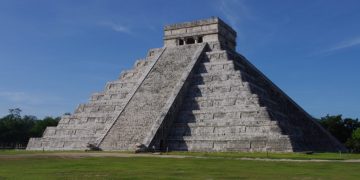
Ancient civilizations, on the other hand, are societies that have developed more complex systems of governance, religion, and culture. They tend to be defined by the establishment of cities, the development of writing, advanced technologies, and organized social structures. These civilizations, such as Mesopotamia, Ancient Egypt, the Indus Valley Civilization, and the Maya Civilization, have left behind monumental architectural feats, written records, and sophisticated art forms, providing much of the historical foundation for modern societies.
Ancient civilizations are typically distinguished from primitive tribes by their scale of organization, development of written languages, and the establishment of large urban centers. However, it is important to note that these civilizations did not emerge from nothing—they were deeply influenced by earlier tribal societies and often coexisted with them for centuries.
The Role of Primitive Tribes in Human History
While ancient civilizations often dominate the narrative of human history, it is essential to recognize the profound impact that primitive tribes have had on shaping the world. These tribes were the original human societies, and their ways of life laid the groundwork for the cultural and technological advances that would later define civilization.
1. Social Structures and Governance
Primitive tribes were often organized around kinship, with extended families or clans forming the core unit of social organization. While these societies lacked formalized bureaucratic systems, they nevertheless had complex social structures. Leadership was typically provided by elders, chiefs, or shamans, who governed based on customs, traditions, and spiritual beliefs. These leaders often played key roles in maintaining order, settling disputes, and guiding their communities through both peaceful and challenging times.
Though these tribes did not have the written laws of ancient civilizations, their social cohesion was often governed by oral traditions, customs, and rituals that defined the group’s identity and behavior. In some ways, these early systems of governance were remarkably effective in maintaining harmony and ensuring the survival of the tribe.
2. Spirituality and Religion
Religion and spirituality were central to many primitive tribes. These societies often believed in animism—the belief that everything, including animals, plants, rocks, and natural forces, possessed a spirit or soul. Many tribes had elaborate systems of myths, legends, and rituals to honor and communicate with these spirits.
Shamans or spiritual leaders played an important role in the lives of these societies. They were believed to have the ability to connect with the spiritual world, perform healing rituals, and guide the tribe through important life events such as births, deaths, and rites of passage. In some tribes, the shaman also acted as a mediator between the tribe and the natural world, ensuring that the community remained in balance with nature.
3. Sustainability and the Environment
One of the most significant contributions of primitive tribes to human history is their relationship with the environment. These societies lived in close harmony with nature, developing sustainable ways of hunting, gathering, and farming that allowed them to live in balance with the land. Unlike modern industrialized societies, which have often exploited natural resources, many primitive tribes practiced a deep respect for the environment.
Many of these tribes used natural resources efficiently, ensuring that ecosystems were not overexploited. They understood the cycles of nature and often took steps to protect the land from degradation. For example, some tribes practiced rotational farming, allowing the soil to rest and regenerate. Others developed systems of wildlife management that ensured the continued health of animal populations.
4. Technology and Craftsmanship
Primitive tribes were far from “primitive” in terms of their ingenuity. Many tribal communities developed advanced technologies that were perfectly suited to their environments. For instance, in the Arctic, Inuit tribes crafted incredibly sophisticated tools and clothing to survive in one of the harshest climates on Earth. Similarly, Indigenous peoples in the Amazon rainforest created intricate systems of irrigation and agriculture that allowed them to thrive in an environment often perceived as uninhabitable.
The craftsmanship of many primitive tribes is also notable. The creation of intricate pottery, woven baskets, and finely crafted tools demonstrates the skill and artistry of these societies. These objects were often imbued with symbolic meaning, telling stories about the tribe’s history, beliefs, and relationships with the natural world.
The Intersection of Primitive Tribes and Ancient Civilizations
As ancient civilizations began to rise, there was often a complex relationship between these advanced societies and the primitive tribes they encountered. In many cases, the development of cities and empires occurred alongside, or in close proximity to, indigenous tribes. The interactions between these groups were not always peaceful, and the rise of civilization often led to the displacement, subjugation, or assimilation of tribal communities.
1. Trade and Cultural Exchange
One of the key areas where primitive tribes and ancient civilizations intersected was in trade. Ancient civilizations often relied on the resources provided by surrounding tribal groups, whether in the form of raw materials, food, or knowledge. In turn, tribes could gain access to goods and technologies produced by civilizations, such as metal tools, textiles, and ceramics.
In some cases, trade routes connected tribal communities to major urban centers. For instance, the ancient Maya had extensive trade networks that extended into regions inhabited by indigenous tribes, and similarly, the ancient Egyptians exchanged goods with tribes living in the surrounding deserts.
These exchanges were not only economic but also cultural. Tribal societies influenced the development of art, language, and religion in ancient civilizations. For example, the religious rituals and artistic traditions of various tribal groups in Africa influenced the development of ancient Egyptian art and spirituality.
2. Conflict and Conquest
However, the relationship between primitive tribes and ancient civilizations was often fraught with conflict. As civilizations grew, they sought to expand their territories, which frequently led to the displacement or destruction of indigenous tribes. In the Americas, for instance, the arrival of European explorers and settlers led to the near annihilation of many Native American tribes through war, disease, and colonization.
Similarly, in ancient Mesopotamia, the rise of powerful city-states often involved the conquest of surrounding tribal lands. While some tribes were absorbed into the civilizations, others resisted, leading to long-standing conflicts that shaped the political landscapes of the ancient world.
3. Legacy and Influence
Despite the challenges and conflicts, primitive tribes have had a lasting influence on the civilizations they interacted with. Many of the practices, technologies, and ideas developed by tribal societies were adopted by early civilizations. For example, the use of medicinal plants and traditional healing practices developed by indigenous tribes in the Amazon rainforest continues to influence modern medicine.
Moreover, the spiritual and philosophical ideas of indigenous tribes have left an indelible mark on the world. Many modern concepts of environmentalism, sustainability, and holistic health can trace their roots to the traditional knowledge and wisdom of primitive tribes.
Conclusion: A Tapestry of Human History
The relationship between primitive tribes and ancient civilizations is a complex tapestry woven from threads of cooperation, conflict, and mutual influence. While ancient civilizations often overshadow the contributions of tribal societies, it is essential to recognize the profound impact that these early peoples had on the development of human culture, technology, and governance.
The legacy of primitive tribes is not just a relic of the past—it continues to shape the modern world in ways that are often overlooked. By studying these societies and their interactions with ancient civilizations, we can gain a richer, more nuanced understanding of human history and the diverse paths that have led us to where we are today.
As we continue to explore and uncover the stories of both primitive tribes and ancient civilizations, we must honor the contributions of both, recognizing that they are part of the same human journey. Their knowledge, resilience, and creativity are an essential part of the global heritage that binds us all together.