









Traveling is an enriching experience that can expand horizons, create lifelong memories, and offer much-needed relaxation. However, without proper preparation, the logistics of travel can be daunting. From deciding what to pack to organizing the itinerary, every detail matters. Smart packing and travel planning are the bedrock of a successful trip, ensuring that travelers are well-equipped and well-informed for their journey, while also minimizing stress and avoiding last-minute chaos.
This article delves into the art of smart packing and efficient travel planning, exploring strategies and tools that can help streamline the process. Whether you’re a frequent flyer, a first-time traveler, or someone seeking to improve your travel experiences, this guide will provide you with actionable insights and professional tips to elevate your travel game.
Chapter 1: The Importance of Smart Packing
1.1 What is Smart Packing?
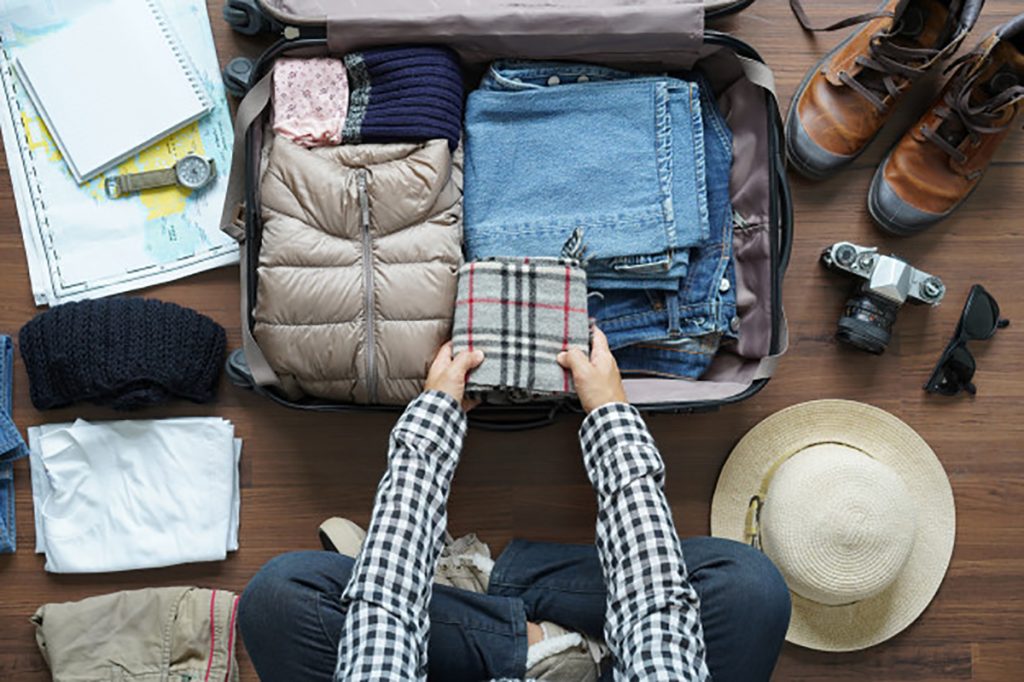
Smart packing is the act of carefully curating your luggage to ensure you bring everything you need, while avoiding unnecessary items that add weight and take up precious space. It’s not just about fitting more into a suitcase; it’s about packing efficiently, thinking ahead, and being strategic about what to bring.
1.2 The Benefits of Smart Packing
- Efficiency: Smart packing allows you to fit more into less space. By thinking ahead and selecting versatile clothing, multi-functional gadgets, and other travel essentials, you can maximize the contents of your bag while minimizing its size and weight.
- Convenience: When you pack smartly, you avoid overpacking and the associated stress of lugging around heavy luggage. You’ll be able to move around more easily and access your essentials without hassle.
- Organization: A well-packed bag or suitcase is organized in such a way that you can easily locate items when you need them. This reduces the need to dig through your luggage and saves time.
- Cost-effectiveness: Many airlines charge for checked baggage. By packing smartly and keeping your luggage within carry-on limits, you can avoid these additional fees.
1.3 Strategies for Smart Packing
Pack Light, Pack Smart
- Use Packing Cubes: Packing cubes are essential for organizing your clothes and maximizing space. They allow you to compartmentalize your belongings, making it easy to find what you need without unpacking your entire bag.
- Roll Your Clothes: Rolling clothes instead of folding them can save space and reduce wrinkles. This method also helps to compress your clothing, allowing you to fit more into your bag.
- Choose Versatile Clothing: Opt for items that can be mixed and matched easily. Neutral colors and adaptable layers are ideal. For instance, a basic black dress can work for both day and evening events, and a lightweight jacket can be layered over various outfits.
- Limit Shoes: Shoes are typically one of the heaviest items in a suitcase. Choose shoes that are both comfortable and versatile, reducing the number of pairs you need to bring.
Utilize Technology
Smart packing today often involves leveraging technology. Apps and gadgets are now widely available to assist in creating packing lists, tracking luggage, and ensuring you don’t forget any crucial items.
- Packing List Apps: Tools like PackPoint or TripList can help generate packing lists based on your destination, the duration of your trip, and the activities you’ll be engaging in. These apps help ensure nothing is left behind.
- Luggage Trackers: For those who worry about losing their luggage, GPS-enabled luggage trackers like Tile or Trakdot provide peace of mind by allowing you to track your bags in real time.
- Travel Bottles & Accessories: Using travel-size containers or refillable bottles for toiletries saves space and meets TSA regulations for liquids. There are also compact gadgets designed to help with smart packing, such as portable chargers and multi-purpose adapters.
Chapter 2: The Fundamentals of Travel Planning
2.1 Why Travel Planning is Crucial
A well-thought-out travel plan serves as a roadmap for your trip. It ensures that you get the most out of your destination, helps you avoid missing key sights, and ensures that logistics like transportation and accommodation are sorted before you arrive.
Without proper planning, travelers may find themselves overwhelmed, stressed, and wasting precious time on poorly-organized activities. Travel planning also saves money by allowing you to book flights, accommodations, and activities at the best rates.
2.2 Key Elements of Travel Planning
1. Research Your Destination
Knowing your destination is one of the most critical steps in travel planning. This includes researching the local culture, weather, cuisine, and language. You should also check for any entry requirements (such as visas or vaccinations), safety information, and any local customs that you should respect.
- Cultural Research: Understanding local customs can greatly enhance your experience and prevent any inadvertent faux pas. For example, if you’re visiting Japan, it’s essential to know that tipping is not customary, and shoes should be removed before entering certain indoor spaces.
- Weather: Check the weather forecast for your travel dates to pack appropriately. It’s also important to know if you need special clothing for outdoor activities or to protect against the elements.
- Language and Currency: Knowing key phrases in the local language can make your trip more enjoyable. It’s also essential to understand the currency exchange rate and bring some local currency for small purchases.
2. Create an Itinerary
Creating an itinerary helps ensure that you don’t miss out on must-see attractions, and it enables you to manage your time efficiently. Start by selecting the top activities and sites you want to visit, then organize them by location to minimize unnecessary travel time.
- Prioritize Key Attractions: Make sure to prioritize the activities that are most important to you. If you’re traveling to Paris, for example, make sure to include iconic sites like the Eiffel Tower, but also look for lesser-known experiences that will give you a unique perspective of the city.
- Consider Travel Time: Avoid over-scheduling. Allow some flexibility in your itinerary to account for travel time, rest, and unexpected discoveries. Travel should be enjoyable, not a race to see everything.
- Balance: Mix busy days with more relaxed ones. A good itinerary balances sightseeing with free time to explore at your own pace.
3. Book Accommodations and Transport
When it comes to accommodations, consider factors such as location, budget, and amenities. For transport, think about how you’ll get from one place to another, whether by public transport, private rental, or guided tours.
- Accommodation Options: Consider Airbnb for a more local experience, or stick with hotels if you prefer more amenities. Booking.com and Agoda offer a wide range of choices, from budget to luxury.
- Transport Choices: Look into transport options like trains, buses, or car rentals in advance. If you’re traveling internationally, consider booking transport tickets online to secure the best deals.
Chapter 3: Time-Saving Travel Tips
3.1 Packing Time-Saving Hacks
- Pack the Night Before: Avoid the stress of last-minute packing by preparing everything the night before your trip. Lay out your clothes, pack your bag, and double-check that you have all your travel documents and essentials ready.
- Use Multi-functional Gear: Pack items that serve multiple purposes, such as a scarf that can double as a blanket, or a travel pillow that also functions as a neck support.
- Prepare Your Toiletries in Advance: Store your toiletries in a clear, zip-top bag that complies with TSA guidelines. This saves time at security and ensures your liquids are organized.
3.2 Travel Technology to Save Time
- Mobile Check-ins: Save time at the airport by checking in online for your flight and downloading your boarding pass to your phone.
- Digital Itinerary: Keep your travel itinerary in an app like TripIt, which aggregates all your bookings (flights, hotels, rental cars) into one easy-to-access place.
- Skip the Lines: Consider purchasing tickets for major attractions online to skip long lines and save time.
Chapter 4: Conclusion
Traveling should be an enjoyable and enriching experience, not a stressful ordeal. Smart packing and thoughtful travel planning are the keys to ensuring that your journey goes smoothly and that you make the most of your time abroad. By carefully considering your destination, packing efficiently, and planning your itinerary with the right tools, you can make travel a seamless and memorable experience.
The essence of smart packing lies in being selective, organized, and efficient, while travel planning demands thorough research, strategic thinking, and time management. By integrating these strategies, you can enhance your travel experience and minimize common travel stressors. Whether you’re jetting off for a weekend getaway or embarking on an international adventure, the benefits of planning ahead cannot be overstated.