









The way we travel has evolved significantly over the past few decades, with digitalization and social media playing a pivotal role in shaping modern travel behaviors. The days of relying solely on guidebooks, travel agents, and word-of-mouth recommendations are long gone. Today, the majority of travel planning is done through digital platforms, social media channels, and a vast array of online resources that provide real-time information, reviews, and interactive features.
The impact of digital technologies on travel planning is far-reaching, from the rise of mobile travel apps and online booking systems to the influence of social media on destination choices and travel experiences. These advancements have transformed how travelers research destinations, compare services, and share their experiences.
In this article, we explore the profound effects of digitalization and social media on travel planning, covering both the benefits and challenges that these technologies bring to modern-day travelers.
1. The Rise of Digital Travel Platforms
1.1 Online Travel Agencies and Booking Platforms
In the past, planning a trip often required a visit to a travel agency or the reliance on travel brochures. Today, however, online travel agencies (OTAs) such as Expedia, Booking.com, Airbnb, and Skyscanner have become go-to resources for planning and booking trips. These platforms offer users the ability to compare prices, read reviews, and book everything from flights to accommodations, all in a matter of minutes.
These digital platforms offer a range of convenient services, such as:
- Flight and hotel bookings: You can compare prices across multiple airlines and hotel chains in real-time, allowing travelers to make well-informed decisions.
- Destination exploration: Users can view photos, read customer reviews, and access detailed descriptions of tourist attractions and experiences at their destination.
- Personalized recommendations: Based on previous searches and bookings, platforms use algorithms to suggest destinations, accommodations, and experiences tailored to the individual traveler’s preferences.
For example, Airbnb has revolutionized accommodation by enabling travelers to book stays in unique, local homes, ranging from urban apartments to remote villas, offering a more personalized and often more affordable alternative to traditional hotels.
1.2 Mobile Travel Apps
The widespread use of smartphones has given rise to mobile travel apps, which have made it easier for travelers to manage every aspect of their journey, from planning to execution. Travel apps like Google Maps, TripAdvisor, Kayak, and TripIt allow users to access travel-related information anytime and anywhere.
Mobile apps offer the convenience of on-the-go planning:
- Navigation: Apps like Google Maps and Waze provide real-time traffic updates, walking routes, and local business information, making it easy to navigate unfamiliar areas.
- Expense tracking: Budgeting apps like TravelMapper and Trail Wallet help travelers manage their spending, track expenses, and stay within budget while on the road.
- Itinerary management: Travel apps allow users to organize itineraries, receive updates on flights, hotel reservations, and bookings, all in one place.
These apps enable a seamless travel experience, allowing travelers to remain flexible while keeping their trip organized.
2. Social Media as a Travel Planning Tool
2.1 Social Media Influencers and Travel Inspiration
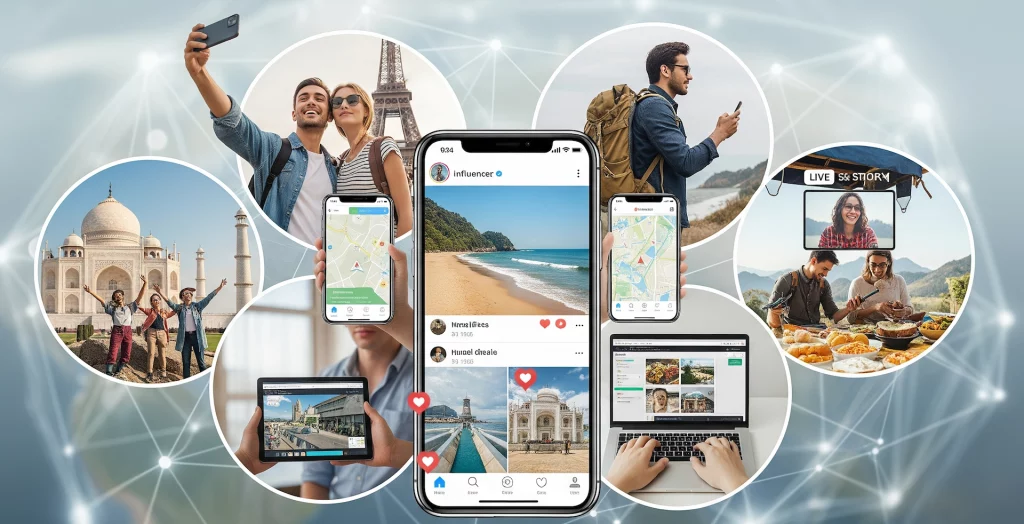
One of the most significant impacts of social media on travel planning is the rise of travel influencers. Platforms such as Instagram, YouTube, TikTok, and Pinterest have become essential sources of travel inspiration for millions of people worldwide. Influencers—people who share their travel experiences, tips, and recommendations online—are changing the way we perceive and plan trips.
Through stunning photography, videos, and travel stories, influencers provide a personal touch to travel recommendations, inspiring others to visit destinations they may not have considered before. The ability to virtually experience a destination through an influencer’s eyes has made travel planning more accessible and exciting. Moreover, travelers are increasingly turning to influencers for real, firsthand recommendations on where to stay, what to eat, and what to do in a particular place.
For example, influencers such as Murad Osmann (famous for his #FollowMeTo series on Instagram) and Nomadic Matt (a travel blogger known for his budget travel tips) have changed how people plan trips by sharing detailed itineraries, hidden gems, and local experiences that go beyond conventional tourist spots.
2.2 User-Generated Content and Online Reviews
In addition to influencers, user-generated content plays a vital role in travel planning. Travelers increasingly turn to platforms like TripAdvisor, Yelp, and Google Reviews to read feedback and reviews from other travelers. These platforms allow users to make informed decisions based on others’ experiences with accommodations, restaurants, and attractions.
Online reviews have become an indispensable tool in travel planning:
- Transparency: Reviews provide insights into what to expect at a destination or service, giving potential travelers an honest assessment of what is offered.
- Crowdsourced knowledge: With millions of reviews available online, travelers can get feedback on everything from the best time to visit a location to the most authentic local experiences.
- Increased confidence: Positive reviews give travelers the confidence to try new destinations and activities, while negative reviews help avoid unpleasant surprises.
While online reviews are generally helpful, it is essential for travelers to approach them with a critical eye, as fake reviews or biased opinions can sometimes cloud judgment.
3. Digitalization in Travel Experience
3.1 Real-Time Travel Updates and Notifications
Digitalization has also enhanced the actual travel experience. Real-time updates on flight statuses, hotel check-ins, weather conditions, and local events make travel more efficient and less stressful.
- Flight tracking apps: Tools like FlightRadar24 and FlightAware provide real-time updates on flight arrivals, delays, and cancellations, helping travelers stay informed about potential disruptions.
- Weather apps: Apps like AccuWeather and The Weather Channel offer up-to-date weather forecasts, which are essential for outdoor activities like hiking, camping, or sightseeing.
Moreover, mobile check-ins have streamlined airport and hotel experiences, allowing travelers to check-in and receive digital boarding passes or room keys through their smartphones.
3.2 Virtual Reality and Augmented Reality
Cutting-edge technologies like virtual reality (VR) and augmented reality (AR) are also influencing how travelers explore destinations. VR experiences allow users to virtually explore hotels, museums, and even entire cities before booking their trip, while AR apps enhance real-world experiences by overlaying digital information onto the physical world.
- Virtual tours: Services like Google Earth or Airbnb’s Virtual Tours allow users to explore destinations and accommodations from the comfort of their home.
- AR in museums: Apps like The Louvre’s AR app or Smithsonian AR tours provide interactive experiences at cultural sites, enriching the visitor’s engagement.
These technologies make travel more engaging and allow potential travelers to make more informed decisions before committing to a trip.
4. The Challenges of Digital Travel Planning
4.1 Information Overload
With so much information readily available online, information overload can become a challenge for travelers. The sheer volume of options—be it flights, hotels, or activities—can leave travelers feeling overwhelmed and uncertain. While digital tools make travel planning more accessible, the abundance of choices can often complicate decision-making.
Moreover, the constant bombardment of social media posts, ads, and influencer recommendations can make it difficult for travelers to distinguish between genuine options and marketing strategies. As a result, travelers may struggle to find trustworthy information and may need to spend more time sorting through content to identify reliable sources.
4.2 Privacy Concerns and Data Security
Another challenge is privacy and data security. With most travel planning conducted through online platforms and apps, travelers’ personal and payment information is often stored on third-party servers. While reputable companies take extensive measures to protect their users’ data, the rise of cybersecurity threats and data breaches means that travelers need to be cautious when sharing personal information online.
4.3 The Dangers of Over-Tourism
The easy access to travel information and the influence of social media have also contributed to the rise of over-tourism in certain destinations. Popular locations that gain widespread attention from influencers or social media campaigns may experience surges in visitor numbers, leading to environmental degradation, overcrowding, and negative impacts on local communities.
5. Conclusion: The Future of Travel Planning
Digitalization and social media have drastically reshaped the landscape of travel planning, offering both immense benefits and new challenges. These innovations provide unprecedented access to information, personalized recommendations, and real-time updates, making it easier for travelers to plan and experience their journeys.
As travelers become increasingly reliant on digital tools, it’s important for them to be mindful of the potential drawbacks, such as information overload, privacy concerns, and the risks of over-tourism. The future of travel planning will likely see even more integration of digital technologies, including AI-based travel assistants, enhanced virtual reality experiences, and sustainable tourism options to balance the need for accessibility with responsible travel practices.
In the end, digital tools and social media have made travel more exciting, accessible, and tailored to individual needs. However, it is essential for travelers to remain discerning and informed, using these technologies to enhance their journeys without losing sight of the true essence of travel—experiencing the world in all its diversity and beauty.