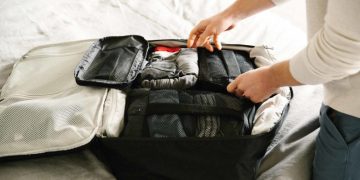









Packing for a trip, whether it’s for business, leisure, or an adventurous journey, can sometimes feel like an overwhelming task. The goal is often simple: to fit everything you need into your luggage while maximizing space and minimizing weight. However, the challenge lies in packing efficiently without overloading your suitcase or exceeding baggage limits. One of the best ways to achieve this is by employing scientific packing techniques that allow you to organize your items in a way that reduces volume, optimizes space, and ensures that you carry everything you need without excess.
This article explores the most effective packing techniques, with a particular focus on how to use compression bags and specialized storage pouches to maximize luggage space. By incorporating these packing strategies, travelers can reduce the bulk of their belongings, enjoy more streamlined packing, and travel with less stress. Additionally, we’ll examine how these methods contribute to more organized, efficient, and comfortable travel experiences.
Chapter 1: Understanding the Challenges of Packing Efficiently
1.1 The Packing Dilemma
Packing has always been a challenge for travelers, whether they’re planning a weekend getaway or a lengthy international trip. The main difficulties in packing arise from the need to balance convenience, accessibility, and weight. Travelers often find themselves struggling to fit essential items into their luggage while adhering to airline baggage weight limits or trying to avoid carrying multiple bags. Overpacking can also lead to disorganized, inefficient luggage that is difficult to maneuver and access on the go.
In addition, when travelers don’t pack efficiently, they may end up carrying extra clothes or unnecessary items, which can significantly increase the weight of their luggage, making travel cumbersome. This is particularly relevant in today’s world of increased checked baggage fees and tight carry-on regulations, which make it essential to maximize luggage space.
1.2 The Need for Scientific Packing
The need for efficient packing has never been more apparent. As air travel becomes more expensive and restrictive, the ability to pack efficiently and within baggage limits is critical for avoiding added costs and making the travel experience smoother. Scientific packing techniques use principles of space optimization, weight distribution, and organizational systems that can help reduce the size and weight of your luggage without sacrificing important items.
Whether you’re using compression bags, packing cubes, or other organization tools, these techniques allow you to create more room in your luggage, ensuring that everything fits snugly while maintaining the integrity and accessibility of your items.
Chapter 2: The Power of Compression Bags in Packing
2.1 What Are Compression Bags?
Compression bags are specially designed plastic bags that allow travelers to reduce the volume of bulky clothing items such as jackets, sweaters, and even bedding by removing air from the bag. These bags typically feature a zip closure and a valve through which air is expelled using either a vacuum or by rolling the bag tightly. The result is a significantly smaller bag that takes up much less space in your luggage.
These bags are a revolutionary tool in the world of travel packing, as they help travelers optimize their luggage space without the need for additional bags or excessive folding.
2.2 How Compression Bags Work
Compression bags operate on the principle of air removal. By eliminating the air from the bag, the contents become compacted and compressed, allowing more items to fit into the same amount of space. Most compression bags work in one of two ways:
- Vacuum-Sealed Bags: These bags require a vacuum cleaner or a manual pump to extract air from the bag. Once the air is removed, the bag shrinks to a much smaller size. This is the most effective method for compressing large, bulky items like jackets, comforters, or sweaters.
- Roll-Up Compression Bags: These bags use a simple roll-up mechanism to push out the air, making them more convenient for travelers who do not have access to a vacuum. By rolling the bag tightly, you can achieve a similar compression effect. This method works particularly well for smaller items like clothing and towels.
2.3 Benefits of Compression Bags
- Maximized Luggage Space: Compression bags allow you to significantly reduce the volume of your clothing and soft goods, freeing up space in your luggage for other essentials.
- Lightweight and Durable: Compression bags are lightweight and typically made from durable, waterproof plastic. This ensures that they won’t add unnecessary weight to your luggage while providing protection from moisture or spills.
- Efficient Organization: In addition to reducing volume, compression bags help with organization. You can segregate your items based on type (e.g., clothes, shoes, bedding) and pack them separately for easy access.
- Protection Against Damage: When used properly, compression bags protect your clothes from wrinkles, moisture, and dirt, keeping them in pristine condition throughout the journey.
Chapter 3: Specialized Storage Pouches and Packing Cubes
3.1 Packing Cubes: An Organizer’s Best Friend
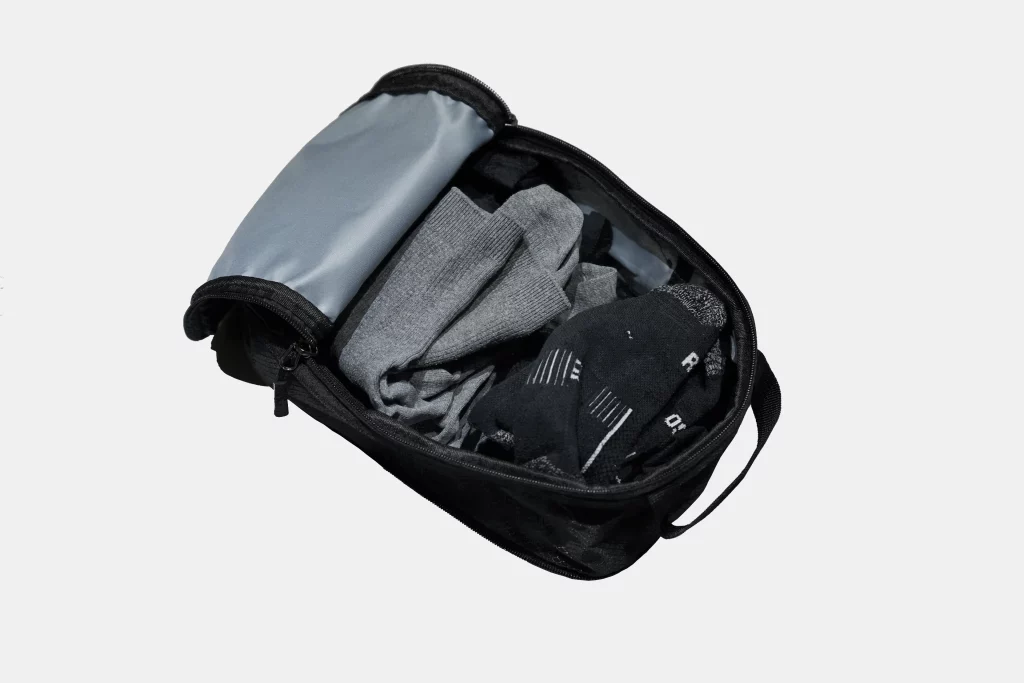
Packing cubes are another essential tool for organizing your luggage efficiently. These small, fabric pouches with zippered closures help you organize your clothing and other belongings into compact sections. Packing cubes come in various sizes, which allows you to sort your items by category, size, or frequency of use.
By grouping items together, packing cubes not only make packing more organized, but they also allow for easy access to your items while traveling. No more digging through a jumbled suitcase to find your favorite shirt!
3.2 How Packing Cubes Help Maximize Space
Packing cubes can also help maximize luggage space by making it easier to fit more into a suitcase. The rigid structure of packing cubes allows for more efficient use of space, as they prevent clothes from shifting around or getting crumpled, which often happens when clothes are packed loosely. Additionally, the modular design of packing cubes enables travelers to fill gaps in their luggage more effectively.
To maximize packing space with cubes:
- Use a Variety of Sizes: Pack larger items, such as jackets and shoes, in larger cubes, and use smaller cubes for undergarments, socks, or toiletries.
- Roll Clothes: While packing cubes do not provide the same level of compression as compression bags, rolling clothes inside the cubes helps to reduce bulk and make better use of space.
- Create Categories: Organize your packing cubes by category, such as “clothing,” “shoes,” “electronics,” or “toiletries.” This makes it easy to find specific items quickly without having to unpack everything.
3.3 Other Types of Specialized Storage Pouches
In addition to packing cubes, there are several other types of specialized storage pouches and bags that can help organize your luggage:
- Shoes Bags: Separate your shoes from clothes using breathable, shoe-specific bags. These bags keep shoes from dirtying clothes and prevent the spread of odors.
- Toiletry Bags: To avoid leaks and spills, use clear, compact toiletry bags that comply with TSA regulations. Many of these bags are also waterproof, providing added protection.
- Laundry Bags: A separate laundry bag for dirty clothes ensures that your clean clothes remain fresh and that you have a place to put your used items once your trip is over.
Chapter 4: Additional Scientific Packing Strategies
4.1 The Art of Folding and Rolling Clothes
One of the most fundamental packing techniques is how you fold or roll your clothes. While folding is the traditional method, rolling clothes offers a more space-efficient approach. By rolling, you can reduce wrinkles and create more space in your luggage.
- Rolling: Roll your clothes as tightly as possible without damaging the fabric. This method works especially well for t-shirts, pants, and casual clothing. Rolling also helps to distribute the weight of your items evenly, making your luggage easier to handle.
- Folding: While rolling works best for many garments, some items, such as dress shirts or jackets, benefit from folding to maintain their shape. Folding can also be useful for packing more structured or delicate items, like formal wear or business suits.
4.2 Utilize Empty Space Wisely
Maximizing space is not just about packing efficiently; it’s also about filling every available gap. Make use of empty spaces, such as the inside of shoes, the area between packed cubes, or the pockets of your clothing. These small pockets of space can accommodate items like socks, belts, or jewelry.
- Pack Inside Shoes: Stuff socks or underwear inside your shoes to keep their shape and utilize the empty space.
- Use Clothing Pockets: Fill the pockets of jackets or pants with small, soft items to optimize your luggage capacity.
4.3 Layering for Weight Distribution
When packing heavy items, it’s important to distribute weight evenly across your luggage. This helps to maintain balance, making your luggage easier to carry and preventing unnecessary strain on your body. Place heavier items at the bottom of the suitcase and lighter items on top, creating a balanced structure.
Chapter 5: Conclusion: Travel Light, Travel Smart
Packing scientifically is not about minimizing what you bring, but rather about making the most of the space you have and ensuring that you carry everything you need in the most efficient and organized way possible. By using tools like compression bags, packing cubes, and specialized storage pouches, travelers can drastically reduce the bulk and weight of their luggage, while still having access to everything they need.
These techniques allow you to travel smarter, lighter, and more efficiently, ensuring that you’re not weighed down by excess baggage. Whether you’re embarking on a weekend getaway, a long international trip, or a business adventure, mastering the art of packing is the key to a stress-free travel experience.
By implementing these proven strategies, you’ll be able to enjoy the journey without the burden of disorganized, heavy luggage—traveling light, yet fully equipped for whatever your destination holds.