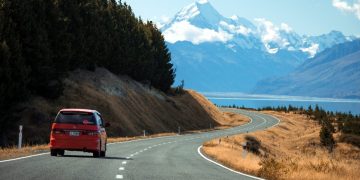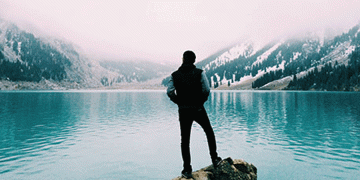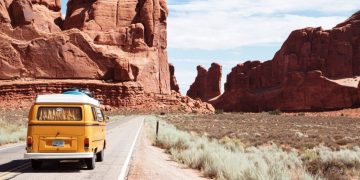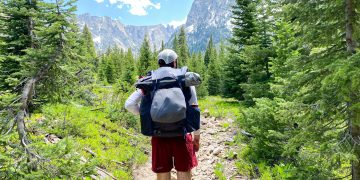









In today’s fast-paced world, where technology often dominates daily life, more and more people are seeking to reconnect with nature, challenge their physical limits, and embark on the adventure of hiking and backpacking. Whether it’s trekking across rugged mountain ranges, navigating dense forests, or wandering through deserts and remote landscapes, hiking and backpacking offer a unique way to experience the natural world, achieve personal growth, and achieve the thrill of the great outdoors.
This guide delves deep into the world of hiking and backpacking—exploring the essential gear, techniques, training, and safety considerations, as well as offering advice on how to select the perfect trails and prepare for multi-day wilderness adventures. Whether you are a seasoned hiker or a beginner, this comprehensive guide will provide the insights you need to embark on your next great journey.
Chapter 1: The Joys and Benefits of Hiking and Backpacking
1.1 Why Hiking and Backpacking Matter
Hiking and backpacking are more than just physical activities—they are powerful means of reconnecting with nature, enhancing mental well-being, and improving physical fitness. These activities offer a wealth of benefits:
- Physical Fitness: Hiking and backpacking are fantastic cardiovascular workouts that improve endurance, strength, and flexibility. Carrying a backpack also engages different muscle groups, including the core, legs, and shoulders.
- Mental Health Benefits: The psychological benefits of spending time outdoors are well-documented. Hiking through scenic landscapes and being immersed in nature can significantly reduce stress, anxiety, and depression. Research has shown that time spent in nature improves mood, fosters creativity, and provides an overall sense of calm.
- Adventure and Exploration: Both hiking and backpacking allow you to explore areas that are often unreachable by car or public transport. For many, the challenge of reaching remote destinations adds an element of excitement and accomplishment to the journey. Backpacking, especially, brings the opportunity to explore over several days, traversing new environments and expanding your boundaries.
- Connection with Nature: The simplicity of hiking and backpacking offers an intimate connection with nature. You experience the wilderness up close, hearing the sounds of wildlife, feeling the textures of nature underfoot, and witnessing the changing scenery as you walk.
1.2 A Brief Overview of Hiking vs. Backpacking
While the terms “hiking” and “backpacking” are often used interchangeably, there are some distinct differences between them:
- Hiking: Generally refers to a walk through nature that can be done in a day or a few hours, typically on established trails or paths. Hiking may involve day hikes or short, relatively easy routes that don’t require carrying heavy gear.
- Backpacking: Backpacking refers to longer trips, often spanning multiple days or weeks, where you carry all of your essential gear (tent, food, water, clothing) in a backpack. Backpacking trips tend to be more challenging, requiring advanced planning, physical preparation, and a higher level of skill.
Chapter 2: Essential Gear for Hiking and Backpacking
2.1 Clothing and Footwear: Dressing for Comfort and Safety
Proper clothing and footwear are essential for a successful hiking or backpacking experience. Here’s a breakdown of what to pack:
Clothing Layers
- Base Layer: The first layer you put on should wick moisture away from your skin to keep you dry and comfortable. Choose lightweight, breathable fabrics like merino wool or synthetic materials (e.g., polyester or nylon).
- Insulating Layer: This layer traps body heat to keep you warm. Options include fleece, down jackets, or synthetic insulation, depending on the weather conditions.
- Outer Layer: Your outer layer should be windproof, waterproof, and breathable. A rain jacket or hard shell will protect you from wind and rain while allowing sweat to escape.
Footwear
The right footwear is critical for comfort and preventing injury. The type of boots you need will depend on the difficulty of your hike or backpacking trip:
- Trail Running Shoes: Ideal for light, day hikes with well-maintained trails.
- Hiking Boots: For more challenging, rocky, or uneven terrain, hiking boots with ankle support and a vibram sole for extra traction are essential.
- Backpacking Boots: Heavier, more durable boots for longer trips where you’ll be carrying a pack. These boots typically provide extra ankle support, cushioning, and weather resistance.
2.2 Backpacking Gear: What to Bring on Multi-Day Adventures
When embarking on a backpacking trip, you’ll need to bring more specialized gear since you’ll be out in the wilderness for multiple days. Here’s what to consider packing:
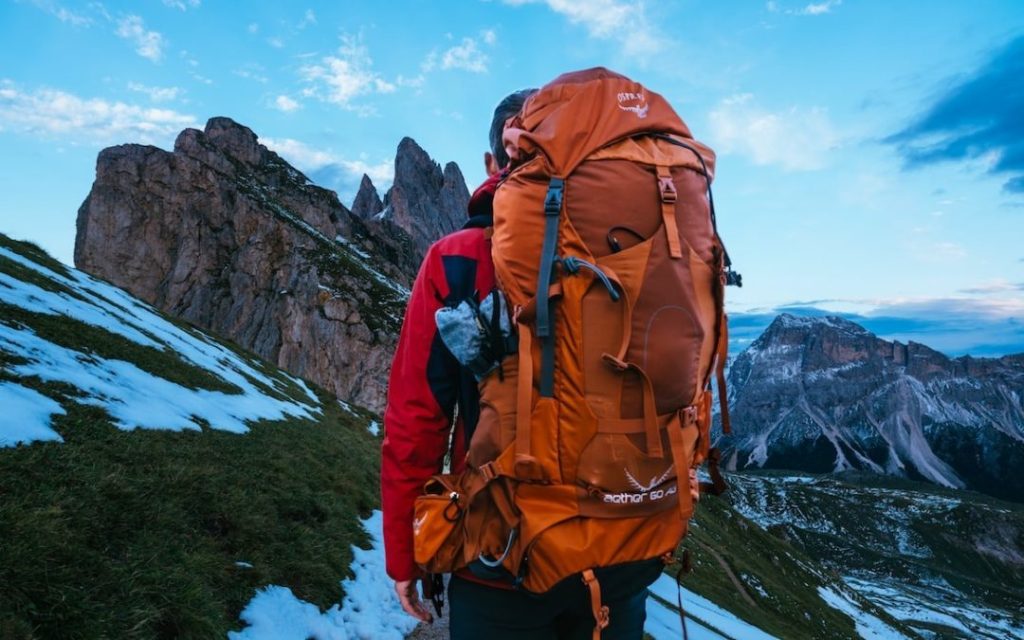
- Backpack: A comfortable, well-fitting backpack is essential for a multi-day adventure. Internal-frame packs are the most popular for long-distance hikes, as they provide ample storage, balance, and support for heavy loads.
- Tent: For backpacking trips, a lightweight, compact tent is necessary to protect you from the elements. Look for a four-season tent if you expect to encounter severe weather, or a 2-person tent for more space and comfort.
- Sleeping Bag and Pad: A sleeping bag rated for the season and expected temperatures will keep you warm during chilly nights. Additionally, a sleeping pad offers insulation from the cold ground and provides extra comfort for sleeping.
- Cooking Gear: A portable stove, lightweight cookware, and fuel canisters will allow you to prepare meals on the trail. Freeze-dried meals or dehydrated food are great options for lightweight meals that require minimal preparation.
- Hydration: Water is critical in the wilderness. A hydration system (such as a Camelbak) or water bottles should be included in your pack, and don’t forget a water filter or purification tablets for sourcing clean water along the trail.
- Navigation Tools: Always carry a map and compass, and consider a GPS device for added security. Make sure you know how to use them to navigate even if the trail becomes unclear.
2.3 Extra Accessories and Essentials
- First-Aid Kit: A basic first-aid kit is essential for handling minor injuries, cuts, or burns on the trail. It should include bandages, antiseptic wipes, pain relievers, blister treatment, and any personal medications.
- Multi-tool or Knife: A sturdy knife or multi-tool can serve multiple purposes, from preparing food to cutting rope or making emergency repairs to gear.
- Headlamp/Flashlight: A reliable headlamp with extra batteries is crucial for navigating in the dark.
- Sun Protection: Sunglasses, sunscreen, and a hat will protect you from harmful UV rays.
Chapter 3: Safety and Preparation for Hiking and Backpacking
3.1 Training and Physical Fitness
Before setting off on a backpacking adventure, it’s important to be physically prepared. Hiking and backpacking require endurance, strength, and stamina, and the better shape you’re in, the more enjoyable and safer the experience will be. Here’s how to prepare:
- Cardio: Incorporate cardiovascular exercises such as running, cycling, or swimming to increase stamina and lung capacity.
- Leg Strength: Focus on exercises like squats, lunges, and step-ups to build strength in your legs, hips, and glutes—critical muscle groups for hiking and carrying a backpack.
- Back and Core Training: To support the weight of your pack and prevent injury, work on strengthening your core (e.g., planks, Russian twists) and back (e.g., deadlifts, rowing).
- Hiking Preparation: To get used to walking with a backpack, start with short day hikes and gradually increase the weight of your pack. Practice on varied terrain and try to simulate the conditions you’ll encounter on your longer backpacking trips.
3.2 Risk Management and Safety Tips
No matter how experienced you are, safety should always be a priority when hiking or backpacking. Follow these safety tips to stay safe on the trail:
- Know the Terrain: Research the trail and terrain you plan to hike. Be aware of elevation changes, weather conditions, and any wildlife you might encounter.
- Tell Someone Your Plans: Always tell a friend, family member, or ranger your planned route and expected return time, especially if you’re going on a multi-day trip.
- Know Your Limits: Don’t push yourself too hard. Start with short trips and gradually increase difficulty as your skills and stamina improve.
- Weather Awareness: Check the weather forecast before heading out and adjust your plans accordingly. Be prepared for sudden weather changes, particularly in the mountains.
- Wildlife: Be aware of potential wildlife dangers and learn how to avoid encounters with bears, snakes, or other potentially dangerous animals. Store food properly and follow safe wildlife practices.
3.3 Leave No Trace Principles
Respect for the environment is key to responsible hiking and backpacking. Follow the Leave No Trace principles to minimize your impact on nature:
- Plan Ahead and Prepare: Organize your trip to minimize waste and ensure you have all the necessary gear.
- Travel and Camp on Durable Surfaces: Stick to established trails and campsites to avoid damaging fragile ecosystems.
- Dispose of Waste Properly: Pack out all trash, and follow proper waste disposal practices, including packing out human waste when necessary.
- Respect Wildlife: Observe wildlife from a distance and avoid feeding animals, as it disrupts their natural behavior.
Chapter 4: Best Hiking and Backpacking Destinations in Europe and Beyond
4.1 The European Alps: A Hiking Paradise
The Alps are one of Europe’s most iconic hiking destinations, offering everything from challenging multi-day treks to gentle valley hikes. Famous trails include the Tour du Mont Blanc, which takes hikers through France, Italy, and Switzerland, and the Dolomites, where dramatic cliffs and rolling hills create a stunning backdrop.
4.2 Patagonia: The Ultimate Wilderness Experience
In South America, Patagonia is renowned for its rugged terrain, expansive glaciers, and towering mountain peaks. The W Circuit in Torres del Paine National Park is a world-class multi-day hike that provides breathtaking views of Patagonia’s wild landscapes.
4.3 The Pacific Northwest: Hidden Gems in the USA
In the USA, the Pacific Northwest is a top destination for hiking and backpacking. The North Cascades in Washington State and the Olympic National Park offer a diverse range of ecosystems, from lush forests and alpine lakes to rugged coastlines.
Conclusion: Your Path to Adventure
Hiking and backpacking offer an unparalleled way to experience the natural world, push your physical limits, and find inner peace in the wilderness. With the right preparation, gear, and mindset, you can embark on unforgettable journeys into some of the most stunning and remote corners of the planet.
Whether you’re setting off on a weekend day hike or a challenging multi-day trek, these outdoor adventures will not only improve your physical health but also offer countless opportunities for personal growth and connection to nature. Embrace the call of the wild, and let the trails lead you to new adventures.