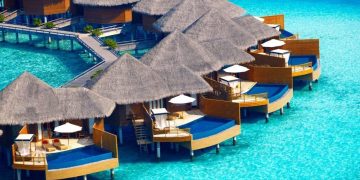









In recent years, the global travel landscape has undergone a significant transformation. Once the domain of the elite, luxury travel and personalized experiences are now accessible to an increasingly wide range of travelers, driven by the rising affluence of the global middle class and the ever-growing desire for unique and immersive experiences. Whether it’s a private villa on a tropical island, a bespoke cultural tour, or a tailored gastronomic journey, today’s travelers seek more than just a vacation—they seek a personalized and luxurious experience that aligns with their individual preferences and lifestyle.
The notion of luxury travel has evolved beyond traditional definitions of opulence, including private jets, 5-star hotels, and extravagant services. Today, it is characterized by exclusive experiences, exceptional service, and customization that makes each trip unique to the traveler’s desires. The rise of experiential travel—the pursuit of meaningful, transformative, and often personalized adventures—has been a driving force behind this shift in demand.
In this article, we explore the factors contributing to the growing demand for luxury and personalized travel experiences, the role of technology in this shift, the impact on the travel industry, and what the future holds for this burgeoning market.
1. The Rise of Luxury and Personalized Travel
1.1 Understanding Luxury Travel: Beyond the Basics
In the past, luxury travel was synonymous with high-end hotels, fine dining, and extravagant services. Today, however, the definition of luxury has broadened to encompass a personalized approach to travel that prioritizes individual preferences and customized itineraries. Travelers now seek not only comfort and convenience but also unique experiences that provide deeper, more meaningful engagement with the destinations they visit.
For example, a luxury traveler might not only want to stay in a top-tier resort but may also seek private access to remote destinations, specialized guided tours, or even local experiences that aren’t available to the general public. These travelers are no longer satisfied with the traditional tourist path but are increasingly opting for exclusive, tailor-made journeys that cater to their unique tastes.
1.2 Changing Traveler Preferences
With the rise of the middle class in emerging markets, particularly in Asia, more and more people are now able to afford luxury travel. This shift has brought about a change in expectations. Today’s luxury travelers are increasingly looking for authenticity and personalized service, two key elements that have shaped modern luxury travel.
- Customization: The desire for highly individualized experiences has led to the demand for tailor-made itineraries. Whether it’s a guided hike in the Alps with a personal naturalist, a private culinary tour through Italy, or a custom art-focused experience in Paris, the emphasis is on creating something uniquely personal.
- Experiential travel: Instead of merely enjoying lavish accommodations, modern luxury travelers seek opportunities for self-discovery, personal growth, and adventure. The focus is on immersive experiences—travel that provides deep cultural interactions, challenges, and once-in-a-lifetime memories.
1.3 The Role of Technology in Luxury Travel
Technology plays a pivotal role in facilitating personalized travel. The advent of online booking platforms, mobile apps, and AI-driven recommendations has made it easier than ever to customize travel experiences according to individual tastes. Travelers can now choose from a range of highly tailored options, from private transport to personalized activities, all of which can be organized with the touch of a button.
- AI and Big Data: Travel companies are increasingly leveraging artificial intelligence (AI) and big data to create bespoke travel recommendations based on travelers’ past behavior, preferences, and feedback. This data-driven approach allows companies to offer hyper-personalized suggestions that resonate with the modern luxury traveler’s desire for unique experiences.
- Virtual Reality (VR) and Augmented Reality (AR): Cutting-edge technologies such as VR and AR are also changing the luxury travel landscape. Many luxury hotels and travel companies offer virtual tours that allow travelers to explore destinations and accommodations before they even arrive, giving them a taste of what to expect and making it easier to make informed decisions.
2. Factors Driving the Demand for Personalized Luxury Travel
2.1 The Influence of Social Media and Influencers
In the past decade, social media has transformed the way people approach travel. Platforms such as Instagram, YouTube, and TikTok have become powerful tools for discovering new destinations and experiences. For luxury travelers, these platforms not only provide inspiration but also a window into the lives of others.
Travel influencers and celebrities often showcase their exclusive journeys to the world, sparking desire among followers to replicate these experiences. Whether it’s a private yacht in the Maldives, a helicopter ride over the Grand Canyon, or a private safari in Africa, these experiences become more appealing when they are shared and endorsed by social media personalities.
- Instagrammable moments: Today’s luxury travelers are increasingly motivated by the desire to capture and share their experiences online. Bespoke travel companies are capitalizing on this by offering Instagram-friendly experiences that are designed to look stunning on social media.
- FOMO (Fear of Missing Out): Social media feeds often showcase once-in-a-lifetime experiences that followers wish to replicate, driving demand for unique and exclusive travel experiences that are promoted by influencers.
2.2 The Desire for Authenticity and Personal Connection
In a world of mass tourism, many luxury travelers are seeking more authentic and meaningful experiences that allow them to connect with local cultures and people. This shift toward authenticity has resulted in a demand for travel experiences that go beyond surface-level luxury.
- Local immersion: Travelers are increasingly choosing destinations where they can truly immerse themselves in local culture, whether through private cooking classes with renowned chefs, cultural tours led by indigenous guides, or visits to local artisans and craftspeople.
- Sustainable luxury: Many travelers now seek out destinations and experiences that prioritize sustainability and environmental responsibility, preferring eco-friendly accommodations, conservation-focused safaris, and ethically sourced products.
2.3 High Expectations for Personalized Service
Luxury travelers are increasingly expecting a level of personal service that goes beyond what traditional travel experiences offer. High-end tour operators, private guides, and concierge services play a crucial role in providing a truly customized experience.
- 24/7 concierge services: Many luxury travelers now expect their travel experiences to be managed by a personal concierge, available around the clock to attend to their needs, whether it’s securing hard-to-get reservations or arranging a spontaneous excursion.
- Tailored itineraries: Travel companies are now offering customized itineraries based on a traveler’s interests, from cultural pursuits and gastronomic explorations to adventure sports and wellness retreats.

3. The Luxury Travel Industry: Meeting the New Demands
3.1 Growth of High-End Travel Agencies and Tour Operators
In response to the growing demand for luxury travel, travel agencies and tour operators have developed more niche offerings tailored to the modern traveler. Companies such as Abercrombie & Kent, Luxury Retreats, and Virtuoso specialize in creating exclusive travel experiences that provide deep immersion and VIP-level service.
These companies excel at crafting personalized itineraries and offering services that go beyond standard luxury. For example, travelers can opt for private helicopter rides to remote mountains or book entire private islands for exclusive use. The boutique approach to luxury travel has made it possible for travelers to design a trip based entirely on their tastes, schedules, and desires.
3.2 Luxury Cruises and Private Yacht Charters
The luxury cruise industry has also evolved to cater to the demand for personalization. Today’s high-end cruise lines such as Regent Seven Seas Cruises, Seabourn, and Crystal Cruises offer a level of luxury that far surpasses traditional cruising. These ships provide all-inclusive services, ranging from private dining and exclusive shore excursions to luxury spa treatments and personalized butlers.
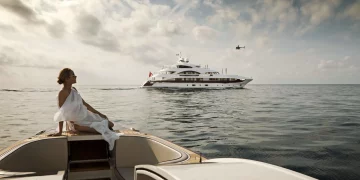
Private yacht charters, meanwhile, allow for completely personalized itineraries, where travelers can sail to exclusive locations, dock at secluded islands, and enjoy the freedom of exploring the seas without the restrictions of a typical cruise.
3.3 Exclusive Luxury Accommodations
Accommodations have also adapted to the increasing demand for luxury and personalization. High-end hotels, resorts, and boutique properties offer customized services to ensure that travelers’ every need is met. These establishments focus not only on providing world-class amenities but also on delivering highly personalized experiences.
For example, properties like the Aman Resorts, Six Senses, and Four Seasons offer bespoke packages tailored to specific traveler interests. Some resorts may offer private yoga retreats, wellness programs, or unique local excursions designed specifically for guests.
4. The Future of Luxury and Personalized Travel
4.1 Embracing Technology for Enhanced Personalization
The future of luxury travel lies in the continued integration of technology to create even more personalized and seamless experiences. In particular, advancements in artificial intelligence (AI), machine learning, and virtual reality (VR) will likely play a central role in helping travelers design their ideal journeys.
- AI-driven recommendations: Travel companies will increasingly use AI to analyze customer data and preferences, offering hyper-tailored recommendations based on real-time information.
- Virtual and augmented reality: Virtual tours and AR experiences will allow travelers to preview and customize their experiences before booking.
4.2 A Greater Focus on Sustainable Luxury
As sustainability becomes an even more pressing global concern, the demand for eco-luxury travel is expected to grow. More luxury travelers will prioritize eco-friendly accommodations, experiences that promote conservation, and itineraries that support local communities and protect natural resources.
Luxury travel companies will likely invest more in sustainable practices, such as reducing their carbon footprint, supporting ethical wildlife tourism, and encouraging responsible consumption.
Conclusion
The rise of luxury and personalized travel is a response to the evolving desires of modern travelers who no longer seek standard, cookie-cutter vacations but instead crave immersive, one-of-a-kind experiences. As more travelers embrace this trend, the travel industry must continue to innovate and adapt to meet the growing demand for exclusive and customized journeys.
As we move forward, the continued integration of technology, an emphasis on sustainability, and an unwavering commitment to authenticity will ensure that the luxury travel market remains vibrant, dynamic, and ever-evolving.