









Nestled among the lush forests of the Serra de Sintra mountains in Portugal, Sintra is a town that exudes charm, mystery, and an enchanting blend of natural beauty and architectural grandeur. Renowned for its fairy-tale palaces, ancient castles, and picturesque streets, Sintra is a place where history, art, and nature converge in a harmonious fusion. Declared a UNESCO World Heritage Site, Sintra is often referred to as one of the most magical towns in Europe. Whether you’re exploring its romantic palaces, hiking through its verdant forests, or marveling at its historical landmarks, Sintra offers an unforgettable experience for all who visit.
This article delves into the history, culture, architecture, and natural beauty that make Sintra a must-visit destination in Portugal. From its origins as a royal retreat to its present-day allure as a tourist haven, Sintra is a town that offers something for everyone—from history buffs to nature lovers and architecture enthusiasts.
Chapter 1: A Rich History: Sintra’s Origins and Evolution
1.1 Early Beginnings: The Moorish Influence
Sintra’s history dates back to ancient times, with evidence of human settlement in the area as early as the Celtic period. However, the town’s most significant early influence came with the arrival of the Moors in the 8th century. The Moors, who ruled much of the Iberian Peninsula during the Middle Ages, left a lasting impact on Sintra. The Moorish Castle (Castelo dos Mouros) stands as a testament to this period, offering stunning views over the town and the surrounding landscape.
The castle, originally built in the 9th century, was a defensive fortress designed to protect the region from Christian reconquests. The structure is a mixture of Moorish and Christian architecture, showcasing the blending of cultures that took place during this era. Today, visitors can explore the castle’s ramparts, towers, and battlements, which offer breathtaking panoramic views of Sintra and its surroundings.
1.2 The Arrival of the Portuguese Royal Family
Sintra’s importance grew significantly in the 15th century when it became a favored royal retreat for the Portuguese monarchy. King John II and later King Manuel I were among the first to recognize Sintra’s potential as a summer residence. The cool mountain air, the lush forests, and the town’s serene beauty made it an ideal getaway from the heat of the Portuguese coast.
The royal family’s presence in Sintra spurred the construction of several notable palaces and manor houses, turning the town into a center of culture and aristocracy. The town continued to flourish under royal patronage, and Sintra became a place of luxury, leisure, and artistic expression.
Chapter 2: Architectural Masterpieces: Sintra’s Palaces and Monuments
2.1 Pena Palace: A Fairy-Tale Dream
Arguably the most famous landmark in Sintra, Pena Palace (Palácio da Pena) is a stunning example of romantic architecture. Situated atop a hill in the Serra de Sintra mountains, the palace looks as if it has stepped out of a fairy tale, with its vibrant colors, turrets, and whimsical design. The palace was built in the mid-19th century by King Ferdinand II, who sought to create a summer residence that blended neo-Gothic, neo-Manueline, Baroque, and Islamic architectural styles.
The palace’s exterior is characterized by its bold and eclectic mix of styles, with bright yellow and red walls, intricate stonework, and pointed towers. Inside, visitors can explore a series of sumptuous rooms, including the King’s and Queen’s suites, the Chapel, and the Noble Hall, all of which are decorated with exquisite furniture, tapestries, and fine art.
The gardens surrounding the palace are just as impressive, with a variety of paths, grottos, and fountains to explore. The surrounding landscape also offers spectacular views of the town of Sintra, the Atlantic Ocean, and even the Lisbon skyline on clear days.
2.2 The National Palace of Sintra: A Historical Gem
The National Palace of Sintra (Palácio Nacional de Sintra), also known as the Palácio da Vila, is another key architectural treasure of the town. Located in the heart of Sintra, this palace is characterized by its medieval and Moorish influences, with later Manueline additions made during the reign of King Manuel I.
The palace is known for its distinctive twin chimneys, which rise from the kitchen and are among the town’s most iconic features. Inside, the palace features elegant rooms, including the Swan Room, Magpie Room, and the Chapel of St. Jerome. The palace’s decorative tiles and intricate woodwork reflect the refined tastes of the Portuguese monarchy during the Renaissance period.
As one of the most historically significant landmarks in Sintra, the National Palace has witnessed centuries of royal history, from medieval times through the Age of Exploration and beyond.
2.3 Quinta da Regaleira: A Mystical Estate
A short distance from the center of Sintra lies Quinta da Regaleira, a truly unique estate that blends nature, architecture, and mysticism. Built in the early 20th century by António Augusto Carvalho Monteiro, a Portuguese businessman with a fascination for esoteric knowledge, the estate features a palace, gardens, and a network of underground tunnels.
The estate is famous for its enigmatic Initiation Well, a spiral staircase that leads down to the depths of the earth, evoking the imagery of mystical journeys and ritualistic practices. The surrounding gardens are equally captivating, filled with hidden caves, grottoes, and symbolic structures that reflect a blend of Gothic, Renaissance, and baroque architectural styles.
Quinta da Regaleira’s gardens and their connection to the mystical and symbolic world make it one of the most unique and fascinating sites in Sintra.
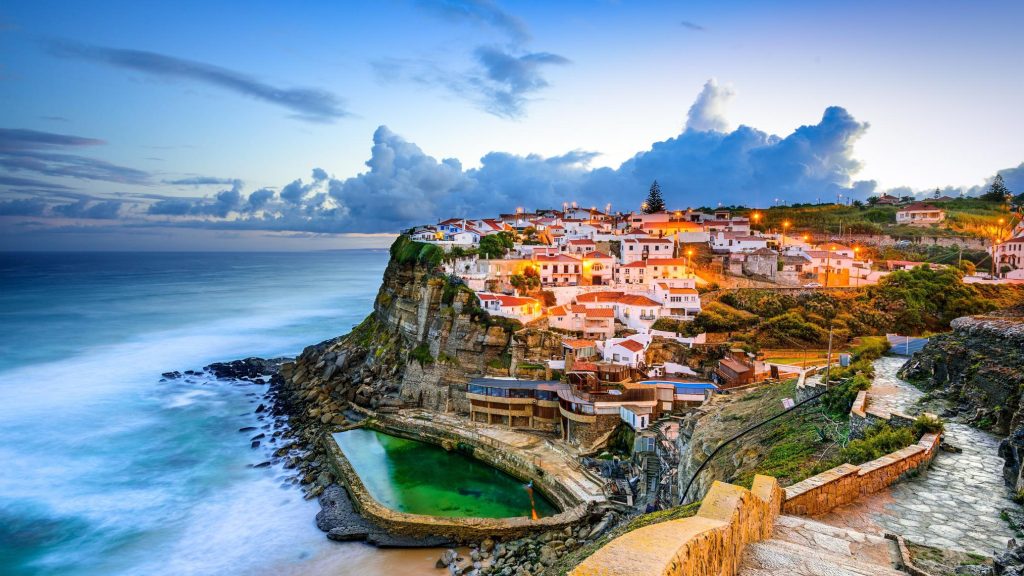
Chapter 3: The Natural Beauty of Sintra
3.1 Serra de Sintra: A Mountainous Paradise
Sintra’s setting in the Serra de Sintra mountains offers visitors an incredible opportunity to explore its rich natural landscapes. The town itself is surrounded by dense forests, rolling hills, and rocky outcrops that make for a perfect escape into nature.
Visitors can take a leisurely hike through the Sintra-Cascais Natural Park, which offers several trails with varying levels of difficulty. Some trails lead to stunning viewpoints, while others wind through dense woodlands, past ancient monasteries, and by tranquil lakes. The Peninha Sanctuary, perched high above Sintra, is another picturesque destination that offers panoramic views of the surrounding area.
The combination of lush forests, rolling hills, and dramatic cliffs makes Sintra an ideal destination for outdoor enthusiasts who want to experience the beauty of the Portuguese landscape.
3.2 The Mystical Fog: Sintra’s Enigmatic Atmosphere
Sintra is known for its frequent fog, especially in the early mornings. This ethereal mist, often draping over the town and the palaces, adds an air of mystery and allure to the town’s already magical atmosphere. The fog, combined with the dense forests and medieval castles, creates an almost otherworldly experience, enhancing the town’s already enchanting appeal.
For photographers and nature lovers, Sintra’s foggy mornings provide a chance to capture the town in a truly unique and surreal way. The fog often lends a sense of mysticism and romance to the palaces and gardens, making it one of the most photographed regions in Portugal.
Chapter 4: Sintra Today: A Cultural and Tourist Destination
4.1 A UNESCO World Heritage Site
Sintra’s cultural and architectural significance was officially recognized in 1995, when the town was designated a UNESCO World Heritage Site. The town’s combination of royal palaces, medieval castles, manor houses, and lush landscapes makes it one of the most culturally rich and historically significant destinations in Europe.
Today, Sintra attracts visitors from around the world who come to experience its unique blend of history, culture, and natural beauty. The town’s UNESCO designation ensures that efforts are made to preserve its historic sites while also welcoming tourists in a sustainable manner.
4.2 A Destination for All
Whether you are a history buff, an architecture enthusiast, a nature lover, or simply someone looking for a relaxing escape from the hustle and bustle of Lisbon, Sintra offers something for everyone. The town’s charming streets, filled with quaint shops, cafes, and boutiques, are perfect for a leisurely stroll. Visitors can enjoy traditional Portuguese pastries such as travesseiros and queijadas while soaking in the town’s atmosphere.
Sintra also offers a range of accommodation options, from luxury hotels to charming guesthouses, making it an ideal destination for both short and extended stays.
Conclusion: Sintra – A Dream Destination
Sintra is a town that captivates all who visit, with its fairy-tale palaces, historical landmarks, natural beauty, and rich cultural heritage. Whether you’re wandering through the mystical gardens of Quinta da Regaleira, exploring the grandeur of Pena Palace, or hiking through the serene Serra de Sintra, the town offers a blend of experiences that are both unforgettable and transformative.
With its fascinating history, stunning architecture, and enchanting atmosphere, Sintra remains one of Portugal’s most treasured gems—an ideal destination for anyone seeking to discover the magic of this timeless town.