








Introduction
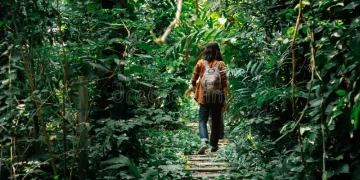
Venturing into a dense jungle is not merely a recreational activity; it is an immersive encounter with one of the planet’s most complex and demanding ecosystems. The jungle, a thick tangle of vegetation, winding trails, and hidden wildlife, presents a unique blend of physical challenge, mental fortitude, and ecological learning. For adventurers and researchers alike, exploring such environments offers insights into biodiversity, survival strategies, and the intricate balance of natural systems.
This article delves into the multifaceted experience of traversing dense jungles, covering aspects such as preparation, navigation, ecological observation, survival techniques, and the psychological and physiological impact of prolonged exposure to such extreme environments.
1. Understanding the Jungle Ecosystem
A jungle is more than a collection of trees; it is a thriving ecosystem where each organism, from the tiniest insect to the tallest tree, plays a vital role in maintaining ecological balance. Tropical rainforests, for example, are home to over half of the world’s terrestrial species, yet they occupy only about 6% of Earth’s land area.
1.1 Biodiversity
Dense jungles are celebrated for their unparalleled biodiversity. The canopy layers shelter arboreal mammals and birds, while the forest floor is a complex web of decomposers, amphibians, and predators. This vertical stratification ensures minimal competition for resources and fosters unique ecological niches.
1.2 Microclimates and Weather Patterns
Jungle environments often exhibit highly localized weather conditions. Canopy cover creates microclimates, reducing temperature fluctuations and increasing humidity. This constant moisture contributes to the growth of epiphytes, mosses, and fungi, which in turn sustain countless invertebrates and microorganisms. Understanding these microclimates is crucial for anyone attempting to navigate or study the jungle.
1.3 Ecological Interactions
Symbiosis, competition, and predator-prey relationships define jungle life. For example, many tropical plants rely on specific pollinators such as bats or hummingbirds. Large predators, in turn, regulate herbivore populations, maintaining the ecological balance that sustains forest density and health.
2. Preparation for Jungle Exploration
Successfully navigating a jungle requires meticulous preparation, encompassing physical conditioning, knowledge of the terrain, and essential gear.
2.1 Physical Conditioning
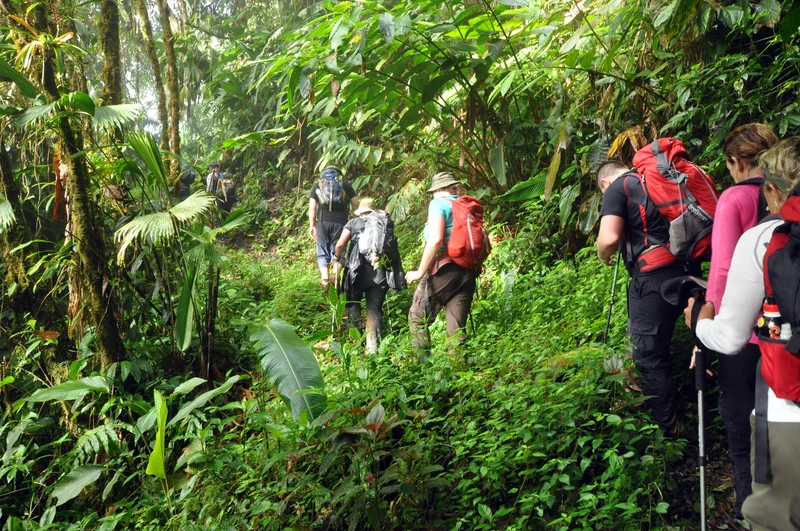
Trekking through dense vegetation, crossing streams, and climbing uneven terrain demands exceptional endurance, strength, and agility. Cardiovascular fitness supports long hours of walking in high humidity, while core and leg strength help manage uneven and slippery surfaces.
2.2 Mental Readiness
Jungle expeditions are mentally taxing. The monotony of green surroundings, the cacophony of insects, and the constant need for vigilance against hidden dangers can test psychological resilience. Meditation, stress management, and situational awareness training are recommended prior to embarking on prolonged treks.
2.3 Equipment Essentials
A successful jungle expedition requires carefully selected equipment:
- Footwear: Waterproof, high-traction boots with ankle support.
- Clothing: Lightweight, breathable, quick-drying fabrics with insect-repellent properties.
- Navigation Tools: GPS devices, compasses, and detailed topographical maps.
- Safety Gear: First-aid kits, water purification systems, and emergency communication devices.
- Specialized Tools: Machetes for trail clearing, binoculars for wildlife observation, and waterproof cases for sensitive equipment.
2.4 Environmental Knowledge
A solid understanding of local flora and fauna is critical. Recognizing poisonous plants, venomous animals, and disease vectors (such as mosquitoes carrying malaria or dengue) reduces risk and enhances the ability to engage meaningfully with the environment.
3. Navigation and Trail Techniques
Jungles are notorious for disorienting even experienced travelers. Thick vegetation can obscure trails, and GPS signals may be unreliable due to dense canopy cover.
3.1 Trail Finding
Observing natural markers, such as moss growth, river flow, and animal tracks, can supplement conventional navigation tools. Experienced guides often rely on subtle cues like broken branches, termite mounds, or bird flight patterns to infer direction.
3.2 Waypoint Management
Setting incremental waypoints helps prevent getting lost. Modern technology allows for digital mapping, but traditional methods, including compass bearings and celestial navigation, remain indispensable, especially in remote regions with minimal connectivity.
3.3 Risk Mitigation
Encountering sudden floods, steep ravines, or aggressive wildlife requires proactive planning. Teams should establish emergency protocols, maintain communication schedules, and carry signaling devices such as flares or whistles.
4. Survival Skills in Dense Jungle Environments
Survival in the jungle is a delicate balance of resourcefulness, adaptability, and calm decision-making.
4.1 Shelter Construction
Effective shelters protect against rain, insects, and nocturnal predators. Knowledge of local materials, such as large leaves, vines, and bamboo, can facilitate the construction of temporary shelters.
4.2 Water and Food Procurement
Jungle explorers must identify safe water sources, such as streams and rainwater, and utilize purification techniques like boiling or chemical treatment. Foraging for edible plants, fruits, and insects requires a deep understanding of local biodiversity to avoid poisoning.
4.3 Fire Management
Fire serves multiple purposes: warmth, cooking, and predator deterrence. Learning techniques for fire-starting in high humidity and using fire safely in dense vegetation is crucial.
4.4 First Aid and Health
Jungle environments pose risks including infections, bites, and tropical diseases. Maintaining hygiene, using insect repellent, and carrying a comprehensive first-aid kit are essential preventive measures. Knowledge of natural remedies, such as antiseptic plant extracts, can be a life-saving supplement.
5. Interaction with Wildlife
Wildlife observation is a core component of jungle exploration, requiring respect, patience, and knowledge.
5.1 Behavioral Patterns
Understanding animal behavior reduces dangerous encounters. Many predators are nocturnal, while prey species may exhibit alarm signals that alert the observant explorer to nearby threats.
5.2 Conservation Awareness
Jungles are fragile ecosystems. Responsible interaction involves minimizing footprints, avoiding interference with breeding sites, and adhering to local conservation regulations.
5.3 Research Opportunities
Jungle expeditions offer invaluable opportunities for ecological research. Biologists, ecologists, and even amateur naturalists can contribute to species documentation, behavioral studies, and conservation projects.
6. Psychological and Physiological Effects
Extended jungle exposure profoundly affects both mind and body.
6.1 Sensory Overload
The dense foliage, constant sounds, and high humidity can overwhelm the senses, demanding heightened focus and patience. Explorers often report a blend of exhilaration and fatigue.
6.2 Adaptation and Resilience
Navigating such a challenging environment fosters adaptability, problem-solving skills, and resilience. Mental fortitude developed in the jungle often translates into improved performance in high-stress situations outside nature.
6.3 Health Implications
While jungle trekking can enhance cardiovascular fitness and muscle strength, it may also expose individuals to heat exhaustion, dehydration, and tropical illnesses. Regular monitoring of hydration, nutrition, and rest is imperative.
7. The Rewards of Jungle Exploration
Despite the challenges, the rewards of traversing dense jungles are extraordinary.
7.1 Immersive Connection with Nature
Being surrounded by untouched wilderness offers a rare opportunity to reconnect with nature, observe ecological interactions firsthand, and experience the raw beauty of the natural world.
7.2 Personal Growth
The physical and mental demands of jungle trekking build resilience, self-reliance, and confidence. Successfully navigating and surviving such an environment instills a deep sense of achievement.
7.3 Scientific and Educational Insights
Every expedition contributes to our understanding of biodiversity, climate interactions, and conservation strategies. Observations gathered in the field can inform environmental policies, educational programs, and ecological research.
Conclusion
Traversing dense jungles is an unparalleled adventure that tests the limits of human endurance, intelligence, and spirit. Beyond the physical challenges, it provides a profound opportunity to witness the intricate beauty of the natural world, engage in scientific exploration, and cultivate resilience. Proper preparation, ecological understanding, and respect for the environment transform what might seem like an intimidating journey into an enriching, life-changing experience.
For those willing to embrace the challenge, the jungle is not merely a destination; it is a teacher, offering lessons in survival, observation, and the delicate interconnections that sustain life on Earth.