








The Amazon Rainforest stands as one of the world’s most vital and awe-inspiring ecosystems. Spanning across nine countries in South America and covering over 6.7 million square kilometers, the Amazon is not only the largest tropical rainforest on Earth but also one of the most biologically diverse places on the planet. Its significance extends far beyond the Amazon Basin, playing an essential role in global climate regulation, water cycles, and biodiversity preservation.
This article delves into the immense ecological importance of the Amazon Rainforest, its biodiversity, the ongoing threats it faces, and the critical need for its conservation. As the world’s “lungs,” the Amazon produces approximately 20% of the Earth’s oxygen, absorbs vast amounts of carbon dioxide, and serves as a habitat for millions of species, many of which have yet to be fully discovered.
While the rainforest is under increasing threat from deforestation, climate change, and illegal activities, there is hope through global awareness, sustainable practices, and efforts to protect this invaluable natural wonder. Let’s explore the richness of the Amazon, its current challenges, and the potential solutions that could ensure its survival for future generations.
Chapter 1: The Amazon Rainforest – A Global Treasure
1.1 Geography and Physical Characteristics
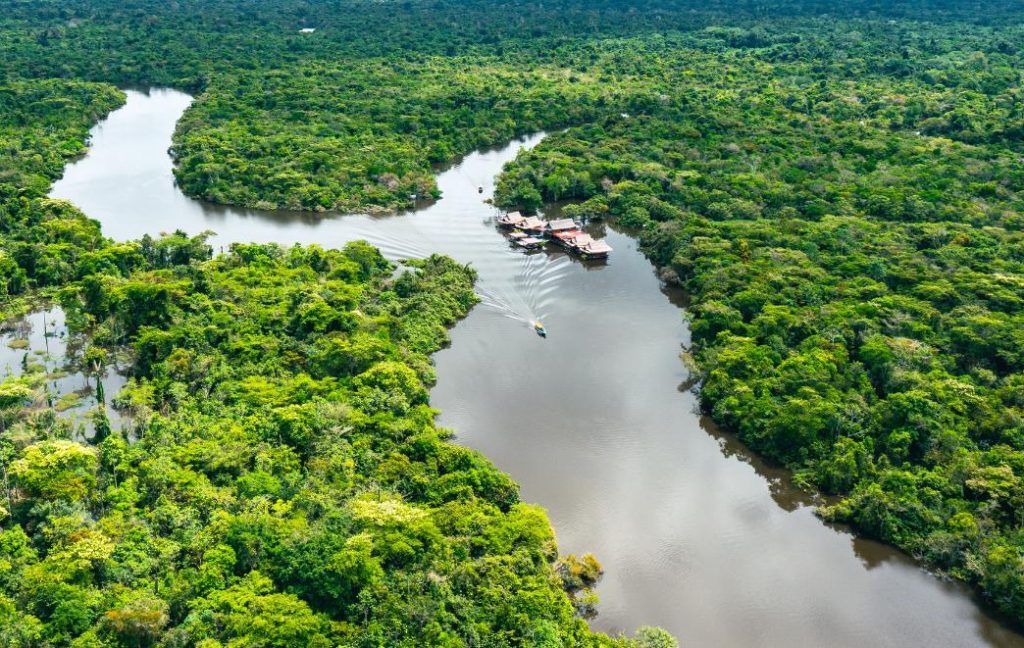
The Amazon Rainforest spans across the Amazon Basin, which includes vast regions in Brazil, Peru, Colombia, Venezuela, Ecuador, Guyana, Suriname, French Guiana, and Bolivia. Covering about 5.5 million square kilometers in Brazil alone, the Amazon makes up nearly 60% of the entire rainforest. The Amazon River and its tributaries, totaling over 1,100 tributaries, snake through the dense forest and are integral to the region’s ecosystem.
- Amazon River: The Amazon River itself is the largest river by volume in the world, draining an area of 7 million square kilometers. It flows for about 4,345 miles through the rainforest, providing a lifeline for wildlife, plant life, and millions of local people who depend on it for transport, fishing, and water.
- Climate: The region experiences a humid tropical climate, with average temperatures ranging from 25°C to 30°C (77°F to 86°F) year-round. Rainfall is abundant, with some areas receiving over 2,500 millimeters of rainfall annually. This consistent precipitation supports the lush vegetation and rich biodiversity for which the Amazon is known.
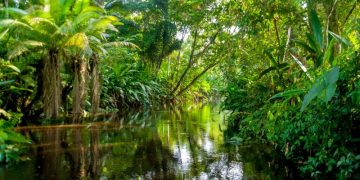
- Rainforest Layers: The Amazon’s dense canopy is divided into several distinct layers, including the emergent layer, the canopy, the understory, and the forest floor. Each layer provides habitat for different species and is critical for the survival of the whole ecosystem.
1.2 Biodiversity of the Amazon Rainforest
The Amazon is famously biodiverse, containing about 390 billion trees of 16,000 species. It is home to an array of species that are not found anywhere else in the world. The rainforest’s biodiversity is a result of its size, age, and variety of microhabitats that support diverse flora and fauna.
- Flora: The Amazon hosts a variety of plant species, ranging from towering Brazil nut trees and mahogany to smaller bromeliads, orchids, and ferns. There are also medicinal plants used for a variety of treatments. Plants like quinine (used to treat malaria) and curare (used as an anesthetic) have come from the Amazon, making the forest not only ecologically valuable but also medically significant.
- Fauna: The Amazon is a haven for both iconic and lesser-known species. Among its residents are the elusive jaguar, the vibrant macaw, the Amazon river dolphin, and the poison dart frog. The rainforest’s insects alone are thought to number in the millions. It is also home to unique species like the pygmy marmoset and the Goliath birdeater spider.
- Invertebrates: The Amazon Rainforest contains vast numbers of invertebrates, many of which are crucial for the ecosystem’s health. Leafcutter ants, termites, and beetles play a pivotal role in decomposition and nutrient cycling, which sustains plant life and maintains the balance of the ecosystem.
Chapter 2: The Importance of the Amazon to Global Ecology
2.1 Carbon Sink and Climate Regulation
One of the most crucial roles of the Amazon is its function as a carbon sink. It absorbs and stores billions of tons of carbon dioxide (CO2) from the atmosphere, significantly reducing the amount of CO2 in the air and helping mitigate global warming. The forest’s trees, soil, and other vegetation act as a natural carbon capture system.
- Global Impact: It is estimated that the Amazon absorbs about 2 billion tons of CO2 per year. This is equivalent to about 5% of global emissions. If deforestation continues unchecked, this carbon store could be released back into the atmosphere, contributing significantly to climate change.
- Regulating Rainfall Patterns: The Amazon also plays a critical role in maintaining regional and global weather patterns. Through transpiration, trees release moisture into the atmosphere, which then forms clouds and helps to regulate rainfall not only in the Amazon itself but also in surrounding regions, such as the Andes Mountains and parts of North America.
2.2 The Amazon’s Role in Biodiversity Preservation
The Amazon is home to a vast array of species, many of which are endemic, meaning they are found nowhere else on Earth. The preservation of the Amazon is critical not only for these species but also for the health of the planet as a whole.
- Ecosystem Services: The Amazon provides a range of vital ecosystem services, such as purifying the air and water, regulating the climate, and preventing soil erosion. These services benefit not only the local populations in the rainforest but also people around the world who rely on the Amazon’s resources.
- Medicinal Value: The rainforest is often referred to as the pharmacy of the world. With its wealth of plant and animal species, the Amazon has provided countless ingredients for medicinal discoveries. It is believed that less than 1% of the rainforest’s species have been studied for their medicinal potential.
Chapter 3: Threats to the Amazon Rainforest
3.1 Deforestation and Land Conversion
Despite its critical importance, the Amazon is under severe threat from deforestation. In recent years, vast portions of the rainforest have been cleared to make way for agriculture, logging, and mining operations. The leading contributors to deforestation include:
- Agricultural Expansion: Large-scale farming, particularly for soybeans, cattle ranching, and palm oil, is the primary driver of deforestation. Brazil is one of the largest exporters of soybeans and beef, leading to significant forest loss in the Amazon to make room for farms and cattle ranches.
- Illegal Logging: Illegal logging, which often targets valuable hardwoods like mahogany and Brazilian rosewood, remains a pervasive problem in the Amazon. The timber industry, despite legal protections, continues to exploit the forest at unsustainable rates.
- Mining: Gold mining, particularly illegal gold mining, has had a devastating impact on the Amazon. The process of extracting gold involves clearing large tracts of forest and using toxic chemicals such as mercury, which pollutes rivers and harms both wildlife and local communities.
3.2 Climate Change and Drought
As the global climate warms, the Amazon is experiencing increasingly frequent and severe droughts. These droughts weaken the rainforest’s ability to recover and increase the frequency of wildfires. The interaction between deforestation and climate change creates a dangerous feedback loop, where deforestation leads to drier conditions, making the forest more susceptible to fires and further deforestation.
- Forest Fires: Wildfires in the Amazon have been increasing in frequency due to drier conditions and human activities. Fires, often intentionally set to clear land for agriculture, can burn out of control and cause massive destruction to the ecosystem.
3.3 Threats to Indigenous Communities
Indigenous peoples in the Amazon have lived in the rainforest for thousands of years, relying on the land for sustenance, shelter, and culture. As deforestation accelerates, these communities face displacement, loss of livelihoods, and cultural erosion.
- Land Rights: Many indigenous groups are fighting for their land rights, advocating for the legal recognition of their territories and the preservation of the rainforest. These communities often serve as the first line of defense against deforestation, using traditional knowledge to manage and protect the forest.
Chapter 4: Conservation Efforts and Solutions
4.1 Global Cooperation and Policy
To preserve the Amazon Rainforest, concerted efforts at global, national, and local levels are required. Governments, NGOs, and the private sector must collaborate to create and enforce policies that protect the rainforest.
- International Efforts: The Paris Agreement and other international climate accords recognize the Amazon as a vital carbon sink and advocate for its protection. International organizations, such as Greenpeace and the World Wildlife Fund (WWF), are actively working to combat deforestation and promote sustainable development.
- National Policies: Brazil’s government has taken steps to curb deforestation, though recent policy changes have raised concerns. Initiatives such as the Amazon Fund have provided financial resources for forest protection, sustainable agriculture, and indigenous-led conservation efforts.
4.2 Sustainable Development and Indigenous Involvement
One of the key solutions to protecting the Amazon is promoting sustainable development that benefits both people and the environment. Encouraging eco-tourism, sustainable agriculture, and responsible resource management can help generate income while preserving the forest.
- Indigenous Rights: Indigenous communities must be at the forefront of conservation efforts. Supporting indigenous land rights, respecting their traditional knowledge, and involving them in decision-making processes are essential to maintaining the rainforest’s health.
- Alternative Livelihoods: Programs that provide alternative livelihoods, such as non-timber forest products (e.g., açaí berries, rubber, and brazil nuts), can help reduce dependence on deforestation.
4.3 Reforestation and Restoration
Efforts to reforest areas of the Amazon that have been damaged or destroyed are crucial for long-term recovery. Large-scale reforestation projects, though challenging, are underway in some regions. These projects aim to restore habitats, improve biodiversity, and reduce carbon emissions.
Conclusion: The Future of the Amazon
The Amazon Rainforest is a critical global resource. Its biodiversity, its role in regulating the Earth’s climate, and its importance to the cultures that call it home make it one of the most important ecosystems on the planet. However, the Amazon is under constant threat from deforestation, climate change, and unsustainable development.
It is essential that the world takes immediate action to preserve this extraordinary rainforest. By supporting sustainable practices, respecting indigenous rights, and committing to global conservation efforts, we can ensure that the Amazon continues to thrive and maintain its vital role in the health of the Earth for generations to come.