




Introduction
Iceland, often described as a land of fire and ice, is famous for its stunning landscapes, dramatic waterfalls, and otherworldly volcanic terrains. While sites like the Blue Lagoon, the Golden Circle, and the Northern Lights draw thousands of tourists each year, there are still hidden corners of this Nordic island that remain largely untouched by mass tourism. These lesser-known destinations offer a unique glimpse into the raw beauty and untouched nature of Iceland.
This article will guide you through some of Iceland’s lesser-explored wonders—places that are off the beaten path, yet offer a deeper connection to the land’s geological history and cultural heritage. From mysterious geothermal springs to remote fjords and hidden waterfalls, these spots are waiting to be discovered by those seeking adventure beyond the well-trodden tourist trail.
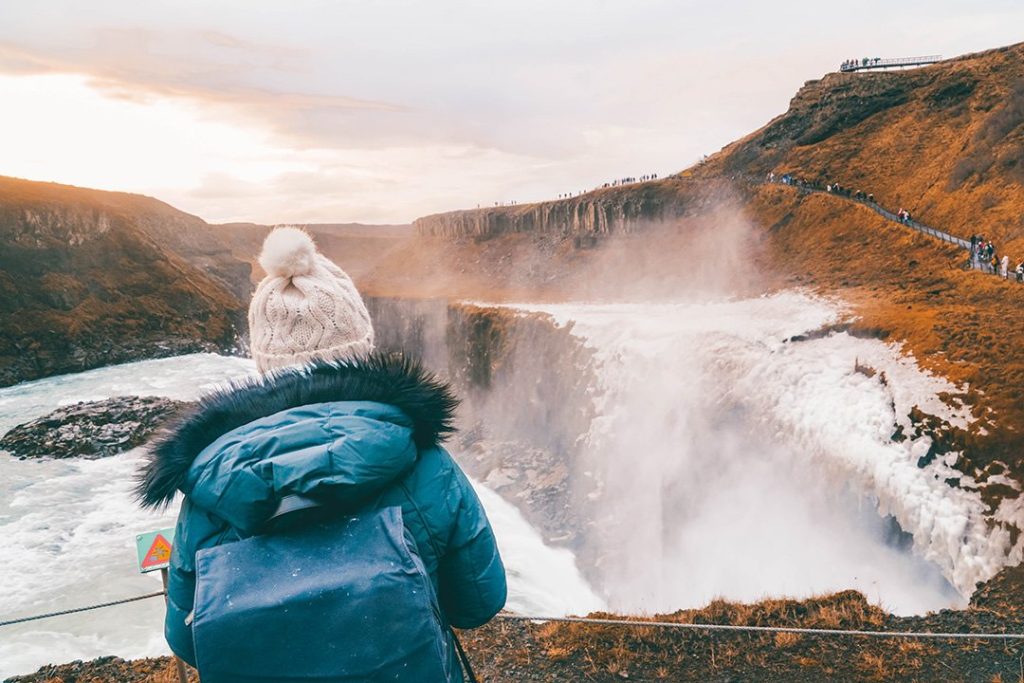
1. The Forgotten Waterfalls: Beyond Gullfoss and Skógafoss
Iceland’s waterfalls are legendary, with iconic sites such as Gullfoss and Skógafoss receiving much of the attention. However, there are many lesser-known waterfalls that offer equally stunning views without the crowds. These hidden gems are often found along rural hiking trails or nestled deep within the Icelandic wilderness.
1.1 Gljúfrabúi Waterfall
Located just a few hundred meters from Skógafoss, Gljúfrabúi is often overlooked by tourists. Hidden within a narrow canyon, the waterfall is partially obscured by rocks and moss, creating an almost mystical aura. Visitors who venture through the narrow passage leading to Gljúfrabúi are rewarded with a peaceful experience—often without the throngs of tourists found at nearby Skógafoss.
1.2 Háifoss Waterfall
At 122 meters, Háifoss is one of Iceland’s tallest waterfalls. However, it remains relatively unknown compared to its counterparts. The waterfall is nestled in Þjórsárdalur valley, an area steeped in Icelandic history. The surrounding landscape is equally dramatic, with volcanic cliffs and lush vegetation. To reach Háifoss, one must drive on gravel roads and hike a short distance, making it a more challenging but rewarding experience.
1.3 Seljalandsfoss and its Hidden Twin
While Seljalandsfoss is a popular tourist stop, its lesser-known twin, Gljúfrabúi, is a hidden waterfall tucked away behind a cliff. Both waterfalls are located in the southern region of Iceland and share similar characteristics, including the ability to walk behind the falls. While Seljalandsfoss tends to attract large crowds, Gljúfrabúi offers a quieter, more intimate experience.
2. Remote Fjords of the Westfjords: The Quiet Majesty
Iceland’s Westfjords remain one of the country’s most isolated and least-visited regions, yet they are home to some of the most dramatic and beautiful landscapes on the island. The fjords here are deep and rugged, with towering cliffs, remote beaches, and dramatic coastlines.
2.1 Dynjandi Waterfall
Dynjandi, also known as the “Jewel of the Westfjords,” is an impressive multi-tiered waterfall that cascades down a 100-meter cliff. Unlike many of Iceland’s other famous waterfalls, Dynjandi remains off the radar of most international tourists, making it a serene and spectacular stop. The surrounding landscape, with its lush greenery and dramatic cliffs, is perfect for photographers and nature lovers alike.
2.2 Hornstrandir Nature Reserve
One of the most remote areas in Iceland, Hornstrandir is a wilderness reserve in the far northwest of the island. Accessible only by boat or hiking, the reserve offers pristine landscapes, jagged cliffs, and a variety of wildlife, including Arctic foxes and seabirds. The lack of infrastructure in the area means that visitors can enjoy the unspoiled natural beauty without the distractions of modern life.
2.3 Rauðisandur Beach
Often described as the “Red Sand Beach,” Rauðisandur is a remote stretch of coastline in the Westfjords that offers a striking contrast to Iceland’s usual black sand beaches. The sands here are a rich golden-red color, and the beach is often empty, offering a sense of isolation and tranquility. The beach is surrounded by dramatic cliffs and provides a stunning view of the surrounding fjords.
3. Iceland’s Geothermal Wonders: Beyond the Blue Lagoon
Iceland is known for its geothermal activity, and while the Blue Lagoon is the most famous geothermal spa, there are other, less-explored geothermal spots scattered across the island. These hot springs offer an authentic Icelandic experience away from the crowds.
3.1 Landmannalaugar Hot Springs
Located in the heart of the Icelandic Highlands, Landmannalaugar is a stunning area known for its colorful rhyolite mountains and geothermal activity. The natural hot spring here is situated in a beautiful valley surrounded by mountains, offering visitors a relaxing dip in warm waters while taking in panoramic views of the dramatic landscape. Landmannalaugar is also a starting point for some of Iceland’s most famous hiking trails, including the Laugavegur Trek.
3.2 Hveravellir Geothermal Area
Situated between the glaciers Langjökull and Hofsjökull, Hveravellir is a geothermal reserve that is known for its boiling hot springs and fumaroles. The area is remote, requiring a 4×4 vehicle to access, but the reward is a peaceful, pristine landscape with natural hot springs where you can bathe surrounded by wilderness.
3.3 Reykjadalur: The Valley of Hot Springs
Reykjadalur, located near the town of Hveragerði, is known as the “Steam Valley” due to its abundant geothermal activity. Visitors can hike through this valley and reach a natural hot spring river where they can relax in the warm waters while surrounded by dramatic mountain views. Unlike the crowded Blue Lagoon, Reykjadalur offers a more authentic, tranquil experience in nature.
4. The Highlands: Iceland’s Heart of Wilderness
Iceland’s interior, known as the Highlands, is one of the least accessible areas on the island. Accessible only during the summer months, this rugged terrain offers some of the most spectacular and untouched landscapes in Iceland.
4.1 Askja Caldera and Víti Crater
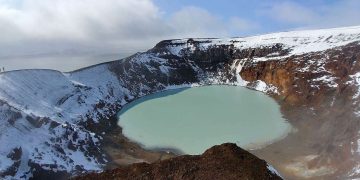
Askja, located in the central Highlands, is an active volcanic system that offers one of the most dramatic landscapes in Iceland. The caldera, formed during a massive eruption in the 19th century, is home to the Víti crater lake, where the waters are warm enough for a swim. The area is remote, and access is limited to highland roads, making it a true hidden gem.
4.2 Þórsmörk Valley
Þórsmörk, or “Thor’s Valley,” is a stunning glacial valley located between the glaciers Tindfjallajökull and Eyjafjallajökull. This secluded area is a paradise for hikers, offering a variety of trails through lush birch forests, across glacial rivers, and up to mountain ridges with panoramic views. The valley is named after Thor, the Norse god of thunder, reflecting the raw and powerful nature of the landscape.
4.3 Kerlingarfjöll Mountain Range
Kerlingarfjöll is a geothermal mountain range located in the heart of the Highlands. The area is known for its unique geothermal activity, including hot springs, fumaroles, and mud pots. The mountains themselves are striking, with vibrant colors of orange, red, and yellow from the minerals in the soil. The area is relatively remote, making it a perfect destination for those looking to escape the crowds and experience Iceland’s rugged wilderness.
5. Exploring the Remote East: Fjords and Secluded Villages
Iceland’s East coast is often overlooked by tourists, yet it boasts some of the country’s most scenic and tranquil landscapes. The Eastern fjords are dotted with small fishing villages, rugged cliffs, and sweeping valleys.
5.1 Seyðisfjörður
Seyðisfjörður is a picturesque village located in a deep fjord on the east coast of Iceland. Known for its colorful wooden houses, artistic community, and stunning surrounding scenery, Seyðisfjörður offers visitors a peaceful escape. The town is also a gateway to nearby hiking trails and the beautiful fjord landscapes that surround it.
5.2 Borgarfjörður Eystri
Borgarfjörður Eystri is a secluded fjord in the East of Iceland that is home to dramatic mountains, beautiful beaches, and a thriving puffin population. The area is perfect for hiking and birdwatching, and it offers a tranquil escape from the busier tourist areas of Iceland. The village itself is small but charming, with a rich history tied to Iceland’s Viking heritage.
5.3 Petra’s Stone Collection
Located in the town of Stöðvarfjörður, Petra’s Stone Collection is a hidden gem for geology enthusiasts. The collection, which was started by a local woman named Petra, contains thousands of stones and minerals from all over Iceland. It’s a fascinating place to learn about Iceland’s geological diversity and see some of the island’s rarest minerals.
Conclusion
While Iceland is well-known for its most popular tourist attractions, it is the country’s hidden gems that truly showcase its unspoiled beauty and unique character. From forgotten waterfalls to remote fjords and geothermal hotspots, Iceland offers a wealth of unexplored destinations for those willing to venture off the beaten path. These lesser-known spots offer not only spectacular landscapes but also a deeper connection to the natural world and Iceland’s rich cultural heritage. Whether you’re an adventurer, a photographer, or a nature lover, Iceland’s hidden treasures provide an unforgettable experience that goes beyond the typical tourist sites.