







Introduction
Africa is a vast and diverse continent, home to a multitude of ecosystems, cultures, and landscapes that range from arid deserts to dense rainforests. While certain parts of Africa—such as the Serengeti, the Nile River, or Cape Town—are frequently visited by tourists, there are many regions of the continent that remain largely unknown, unexplored, or unspoiled by human influence. These remote areas hold secrets of ancient cultures, pristine wilderness, and breathtaking landscapes that are rarely seen by outsiders.
In this article, we will journey into the remote corners of Africa, exploring its hidden landscapes, indigenous cultures, and rare wildlife. From the dry deserts of the Sahara to the lush forests of Central Africa, we will delve into the allure of these less-visited regions and uncover the unique experiences they offer.
1. The Sahara Desert: The Vastness of the World’s Largest Hot Desert
The Sahara Desert is perhaps the most iconic remote region in Africa, stretching over 9 million square kilometers and spanning across several countries. It is often associated with endless sand dunes, scorching heat, and desolation, yet it also holds a surprising wealth of life and beauty.
1.1 The People of the Sahara: The Tuareg Nomads
One of the most fascinating aspects of the Sahara is the people who call it home. The Tuareg, often known as the “Blue Men of the Sahara” due to their indigo-colored garments, are a semi-nomadic Berber people who have survived in this harsh desert environment for centuries. With a deep knowledge of the land, the Tuareg navigate the Sahara using ancient trade routes that have existed for millennia. These desert-dwellers have a rich cultural heritage, with intricate music, poetry, and an extraordinary understanding of the desert’s rhythm.
The Tuareg people also face significant challenges due to modern pressures, including climate change and political instability in the region. Their way of life is under threat, yet they continue to adapt, maintaining their traditional practices of animal husbandry and trade while integrating into a globalized world.
1.2 Desert Wildlife: Surviving Against the Odds
While the Sahara may seem like a barren wasteland, it is home to a surprising array of wildlife that has evolved to survive in extreme conditions. Species like the Saharan antelope, the fennec fox, and the Saharan crocodile are uniquely adapted to the desert climate. Many of these animals have developed specialized behaviors and physical traits, such as nocturnal activity and heat-resistant bodies, to endure the scorching heat of the day and the freezing temperatures of the night.
One of the most fascinating creatures in the Sahara is the oryx, an antelope with long, straight horns and a sleek, muscular build that can withstand the intense heat and scarce water. Despite its ability to survive in such a harsh environment, the oryx has been heavily impacted by human activity and habitat destruction, leading to efforts to reintroduce it into the wild.
2. The Congo Basin: Africa’s Hidden Rainforest
In stark contrast to the Sahara’s vast desert, the Congo Basin is one of the most remote and biologically rich areas on the African continent. Covering parts of six countries, including the Democratic Republic of Congo (DRC), the Congo Basin is the second-largest rainforest in the world, after the Amazon. It is a place of immense biodiversity, home to rare and endangered species that are not found anywhere else on Earth.
2.1 The Mbuti Pygmies: Indigenous People of the Congo
The Mbuti Pygmies, one of the oldest indigenous groups in Africa, have lived in the dense forests of the Congo Basin for thousands of years. These people, known for their small stature and incredible endurance, have a deep spiritual connection to the forest. They practice a unique form of subsistence living, relying on hunting, fishing, and gathering for survival. Their way of life is deeply tied to the rhythms of the forest, and they have an extensive knowledge of medicinal plants, animal behavior, and forest ecology.
The Mbuti’s culture is also rich in music and art, with songs, dances, and rituals playing an important role in their daily life. However, their traditional way of life is increasingly under threat due to deforestation, encroachment by logging companies, and political instability in the region.
2.2 The Biodiversity of the Congo Rainforest
The Congo Basin is home to a staggering variety of wildlife, many of which are endangered or critically endangered. The forest’s isolation and difficult accessibility have helped preserve its unique biodiversity. Among the most famous residents of the Congo are the western lowland gorillas, forest elephants, and okapis—an elusive, giraffe-like animal that is found only in this region.
Conservation efforts in the Congo Basin are critical, as illegal logging, poaching, and mining continue to threaten the fragile ecosystem. Protected areas such as the Salonga National Park in the DRC are vital for the preservation of the rainforest and its inhabitants, but they face significant challenges due to a lack of resources and political instability.
3. The Namib Desert: The Oldest Desert in the World
The Namib Desert, located in southwestern Africa, is often regarded as the oldest desert in the world. Stretching along the Atlantic coast of Namibia, it is famous for its towering sand dunes, some of which rise over 300 meters tall, as well as its eerie, desolate beauty.
3.1 The Dead Vlei: A Surreal Landscape
One of the most famous attractions in the Namib Desert is Dead Vlei, a dry, cracked clay pan surrounded by giant sand dunes. The pan is home to a collection of dead camel thorn trees that have been preserved in the dry climate for centuries. The contrast between the white, cracked earth, the dark skeletons of the trees, and the surrounding red dunes creates a surreal and haunting landscape. It is a place that has captured the imagination of photographers and travelers from around the world.
3.2 The Flora and Fauna of the Namib Desert
Despite its arid conditions, the Namib Desert is home to a variety of life forms that have adapted to the harsh environment. The desert’s wildlife includes the oryx, springbok, and desert-adapted elephants, which are able to survive without direct access to water. These animals are incredibly resourceful, using their keen instincts and knowledge of the land to find food and shelter.
Plants in the Namib Desert have also evolved unique adaptations to survive the extreme conditions. The Welwitschia plant, for example, has two long, strap-like leaves that grow throughout its life and are capable of surviving with very little water. This plant is considered one of the oldest and most resilient species on Earth.
4. The Kalahari Desert: An Expansive Wilderness
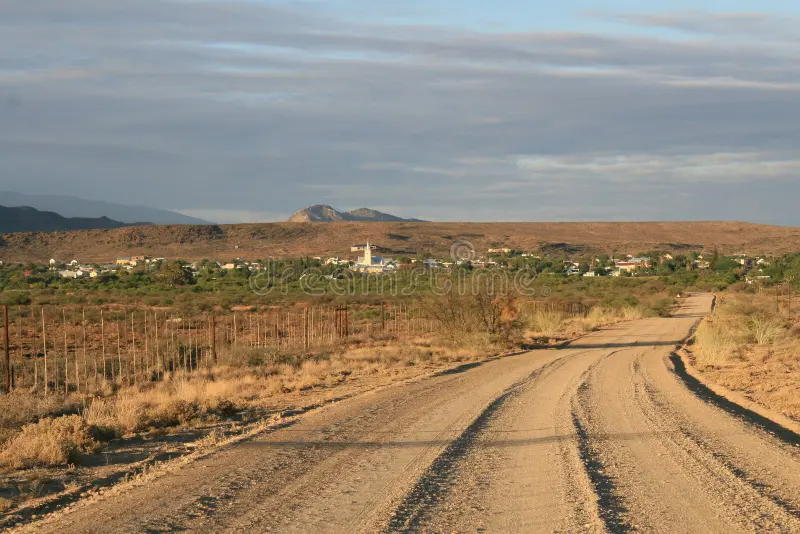
Stretching across several countries in Southern Africa, including Botswana, Namibia, and South Africa, the Kalahari Desert is an arid, semi-desert region that is often misunderstood. While it is not a true desert in the classic sense—due to the presence of seasonal rains and some vegetation—it is nonetheless a vast, inhospitable wilderness that few people have the opportunity to explore.
4.1 The San People: Masters of Survival
The Kalahari is home to the San people, also known as the Bushmen, who have lived in the desert for thousands of years. The San are some of the oldest continuous cultures in Africa, and their intimate knowledge of the desert’s flora and fauna has allowed them to survive in one of the most challenging environments on Earth. Their skills in tracking, hunting, and foraging are legendary, and they possess a deep spiritual connection to the land.
The San people have a rich oral tradition, and their stories, songs, and dances reflect their relationship with the natural world. However, their way of life is increasingly threatened by modern developments, including land dispossession and encroachment by commercial farming and tourism.
4.2 The Wildlife of the Kalahari
The Kalahari Desert, while arid, is home to a surprising amount of wildlife. The region supports a variety of species, including lions, cheetahs, giraffes, and meerkats. The seasonal rains transform parts of the Kalahari into a lush paradise, providing temporary pools of water that attract wildlife from across the region.
The Kalahari is also home to the Okavango Delta, one of the world’s largest inland deltas. This vast wetland is a critical habitat for numerous species of birds, mammals, and reptiles, and it attracts thousands of visitors each year who come to witness the region’s rich wildlife.
Conclusion
Africa is a continent of immense contrasts, and its remote regions offer some of the most breathtaking and unexplored landscapes on Earth. From the vastness of the Sahara to the lush, untouched forests of the Congo, Africa’s hidden corners are full of natural wonders, ancient cultures, and unique wildlife. These places are not only home to some of the most resilient people and animals on the planet but also offer rare glimpses into a world that is slowly disappearing under the pressures of modernity.
As travelers and conservationists, it is our responsibility to respect and protect these remote regions, ensuring that future generations will be able to experience their beauty and richness. By exploring the less-traveled corners of Africa, we can gain a deeper understanding of the continent’s complex ecosystem and its vital role in the future of the planet.