








Introduction: The Rise of Voice Assistants in Travel
Traveling, whether for business or leisure, comes with its set of challenges—finding directions, translating languages, and navigating unfamiliar places. However, with the advent of voice assistants such as Amazon’s Alexa, Google Assistant, Apple’s Siri, and Microsoft’s Cortana, travelers now have powerful tools at their disposal to make their journeys smoother, more efficient, and enjoyable.
Voice assistants are becoming indispensable travel companions. With just a voice command, travelers can access real-time destination information, communicate in foreign languages, find local attractions, and troubleshoot problems on the go. As technology advances, voice assistants are being integrated into a wide variety of devices, from smartphones and smart speakers to wearables and in-car systems, creating a connected and intuitive travel experience.
In this article, we will explore how voice assistants are enhancing the travel experience by providing destination information, real-time language translation, and solutions to common travel problems, all of which increase travel convenience.
1. How Voice Assistants Are Transforming the Traveler Experience
Voice assistants are no longer confined to the realm of personal devices like smartphones. In recent years, they have expanded into a wide variety of devices and systems, making them powerful tools for travelers. By using natural language processing and machine learning, voice assistants are capable of interpreting complex commands and providing relevant, real-time responses.
1.1 Voice Assistants as Travel Companions
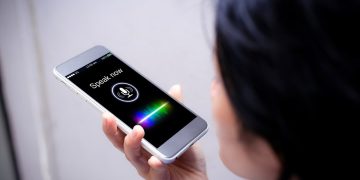
For today’s tech-savvy traveler, a smartphone with a voice assistant is more than just a communication tool—it’s a personal travel assistant. Here’s how voice assistants assist travelers throughout their journey:
- Planning and Booking: Before departure, travelers can use voice assistants to help plan their trips, book flights, reserve hotels, and even rent cars. “Hey Siri, find me a flight to Tokyo next Friday” or “Alexa, book a hotel in Paris for 5 nights” are now simple tasks thanks to the power of voice commands.
- On-the-Go Information: Once travelers arrive at their destination, voice assistants help them navigate new environments by offering information about local attractions, public transportation, weather, and more. “Hey Google, what’s the best way to get to the Eiffel Tower?” or “Alexa, what’s the weather in New York today?” provide answers in seconds.
- Problem Solving: Travel often comes with unexpected challenges. Voice assistants can help solve issues such as finding nearby restaurants, hotels, medical facilities, or locating lost items. They can also offer updates on flight delays, baggage issues, or emergency services.
1.2 Devices Supporting Voice Assistants for Travel
Voice assistants are no longer limited to smartphones. They have been embedded into a wide variety of travel-related devices, including:
- Smartphones: Devices like the iPhone, Android smartphones, and Google Pixel come equipped with voice assistants (Siri, Google Assistant), making it easy to get instant answers.
- Wearable Devices: Smartwatches such as the Apple Watch and Fitbit come with voice capabilities, allowing travelers to use voice commands on the go.
- Smart Speakers and Displays: Smart speakers like Amazon Echo, Google Home, and Echo Show are popular in hotel rooms, Airbnb rentals, and even in cars, allowing travelers to access information hands-free while in transit or at their destination.
- In-Car Voice Assistants: Many modern vehicles come equipped with integrated voice assistants (like Apple CarPlay or Google Assistant) that help travelers with navigation, music, and even restaurant reservations while driving.
2. Real-Time Destination Information: Always Stay Informed
One of the most valuable services that voice assistants provide is real-time access to destination-specific information. Travelers no longer need to rely on paper maps, guidebooks, or even asking strangers for directions. With a simple voice command, a wealth of information is available in seconds.
2.1 Navigation and Directions
Voice assistants offer turn-by-turn navigation, whether it’s by walking, public transport, or driving. They are essential for first-time visitors to a city who may not be familiar with public transportation or local landmarks.
- Walking Directions: “Hey Siri, give me walking directions to the nearest coffee shop.”
- Driving Directions: “Google, how do I get to the Louvre by car?”
- Public Transport: “Alexa, what time does the next subway to Times Square leave?” Many voice assistants also integrate with public transportation apps, so travelers can get real-time data on buses, trains, and metro services.
2.2 Local Services and Recommendations
While traditional guidebooks are still useful, they cannot offer the real-time, personalized recommendations that voice assistants can. Voice assistants pull from local data to suggest services like nearby attractions, restaurants, and entertainment options. They also know the best times to visit, or if there are any special events happening nearby.
- Local Recommendations: “Hey Google, what’s the best Italian restaurant near me?” or “Alexa, tell me about any music festivals happening in Berlin this weekend.”
- Making Reservations: Voice assistants can be connected to platforms like OpenTable, so you can say, “Siri, book a reservation for two at a French restaurant in Paris at 7 PM tonight” and have it done in seconds.
- Local News and Alerts: Voice assistants can also help keep you informed about any weather changes, political unrest, or potential safety concerns by providing real-time news updates. “Google, are there any travel advisories for Thailand right now?”

3. Language Translation: Breaking the Language Barrier
One of the most significant challenges for international travelers is navigating language barriers. Voice assistants are transforming communication by providing instant translations, making it easier for travelers to communicate with locals and navigate foreign countries.
3.1 Real-Time Language Translation
Voice assistants can now translate languages in real-time, breaking down communication barriers for travelers in a foreign country.
- Speech-to-Speech Translation: For example, “Hey Siri, how do I say ‘Where is the nearest hotel?’ in Spanish?” Siri will respond with a translation that the traveler can then speak or display on their device.
- Text Translation: For written text, like menus or signs, apps like Google Translate integrate with voice assistants to offer translations. “Hey Google, translate this sign from French to English” can instantly display the translation of a street sign or menu.
- Multi-Language Support: Most modern voice assistants support multiple languages, allowing travelers to switch between languages effortlessly. “Alexa, change language to Spanish” allows you to seamlessly move between English and Spanish, or other languages, as needed.
3.2 Enhancing Immersion and Understanding
For travelers who want to immerse themselves in the culture, voice assistants can help with deeper understanding. For example, they can explain the meaning behind local customs, phrases, or cultural nuances. “Hey Siri, what does this word mean in Chinese?” or “Google, explain the significance of a traditional Japanese tea ceremony.”
4. Solving Common Travel Problems: Instant Assistance
In addition to offering real-time information and translations, voice assistants can also help travelers solve a wide range of problems they might encounter on the road.
4.1 Flight Information and Airport Navigation
Airports are often chaotic, and travelers are frequently dealing with flight delays, gate changes, or tight schedules. Voice assistants can help alleviate this stress by offering flight updates, directions within the airport, and other useful information.
- Flight Updates: “Google, is my flight to London on time?” or “Hey Siri, when does my flight from Miami to New York depart?”
- Airport Assistance: Voice assistants integrated into airport systems can guide travelers to gates, lounges, or baggage claim areas. “Alexa, where is Gate 25?”
4.2 Hotel Services and Requests
Hotel stays are often more enjoyable when requests can be made quickly and effortlessly. With voice assistants in hotel rooms, travelers can control room temperature, lighting, request services, or get recommendations for nearby attractions.
- Room Control: “Hey Siri, set the room temperature to 72 degrees.”
- Room Service Requests: “Google, order breakfast for delivery at 7 AM tomorrow.”
4.3 Emergency Assistance
Travelers may also face emergencies, such as medical issues, lost luggage, or theft. Voice assistants can provide instant solutions by helping you find local emergency services or contact your embassy.
- Emergency Services: “Alexa, find the nearest hospital” or “Hey Google, call the nearest embassy.”
- Lost Item Tracking: With integration with smart luggage, voice assistants can help locate misplaced or lost luggage, enabling travelers to quickly resolve baggage-related issues.
5. Future of Voice Assistants in Travel: The Road Ahead
Voice assistants are evolving rapidly, and their role in the travel industry is likely to expand even further in the future. Here are a few trends we expect to see:
5.1 More Seamless Integration
As technology advances, voice assistants will continue to become more integrated into various aspects of travel. For example, integration with hotel management systems, airlines, and car rental services will allow voice assistants to handle more complex tasks, like adjusting flight details, checking into hotels, or renting cars via voice commands.
5.2 AI-Powered Personalization
In the future, voice assistants will become even more personalized. By learning from previous interactions, they will offer more tailored travel recommendations based on your preferences, habits, and travel history.
5.3 Enhanced Security and Privacy Features
As voice assistants play an increasingly central role in travelers’ lives, security will become a top priority. Expect enhanced authentication features, such as voice recognition, to ensure that personal data is kept safe while using these devices.
Conclusion: Enhancing Travel with Voice Assistants
Voice assistants have already begun to significantly transform the way we travel. From providing real-time destination information to overcoming language barriers and solving common travel problems, voice assistants are becoming indispensable tools for modern travelers. As these technologies evolve, the travel experience will continue to become more streamlined, efficient, and personalized, offering travelers greater convenience and peace of mind. With the integration of advanced AI, machine learning, and real-time data, voice assistants are poised to revolutionize travel even further, making it easier, safer, and more enjoyable than ever before.