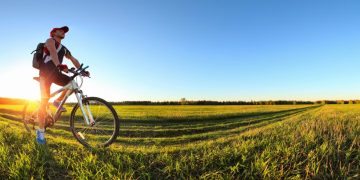









Introduction: The Growing Trend of Nature-Focused Travel
In recent years, there has been a remarkable shift in the priorities of modern travelers. Increasingly, individuals are seeking experiences that go beyond the typical urban sightseeing, luxury hotels, or bustling tourist hotspots. Instead, there is a growing emphasis on health, wellness, and connection with the natural environment. This shift reflects broader societal trends: the rising awareness of personal well-being, the impact of urbanization on mental and physical health, and the urgent need for sustainable travel practices in response to climate change and environmental degradation.
Urban life, despite its convenience and opportunities, often comes with a significant cost: stress, pollution, and reduced access to natural spaces. Consequently, more travelers are looking to escape the chaotic rhythms of city living, opting instead for retreats in forests, mountains, rural villages, and coastal landscapes. This movement is part of a broader recognition that connecting with nature not only enhances mental and physical health but also fosters a more sustainable and mindful approach to travel.
In this article, we will explore the motivations behind this trend, the benefits of nature-focused travel, popular destinations and activities, the rise of wellness tourism, and strategies for integrating eco-conscious practices into your journeys.
1. Motivations Behind the Shift to Nature-Centric Travel
1.1 Health and Well-Being
The primary motivator for many travelers is the pursuit of health and wellness. Numerous studies indicate that spending time in natural environments has measurable benefits for both mental and physical health. For instance, exposure to green spaces can:
- Lower stress levels and reduce cortisol production.
- Improve mood and alleviate symptoms of anxiety and depression.
- Enhance cardiovascular health and support immune function.
- Boost cognitive performance and focus.
For urban dwellers, escaping to natural settings provides a critical opportunity to disconnect from digital devices, constant notifications, and high-pressure work environments, offering a holistic reset for the body and mind.
1.2 Environmental Awareness and Sustainable Travel
Travelers today are increasingly conscious of their environmental footprint. Mass tourism in popular urban areas has contributed to overcrowding, pollution, and the degradation of cultural and natural landmarks. By choosing rural, coastal, or mountainous destinations, travelers can:
- Support local economies in a sustainable way.
- Minimize the environmental impact associated with urban tourism.
- Engage with ecosystems in a manner that promotes conservation and education.
This shift reflects a growing alignment between personal wellness and environmental stewardship, as people seek experiences that are not only restorative for themselves but also respectful of the planet.
1.3 The Desire for Authentic Experiences
Many travelers now seek authenticity over commercialized tourism. Urban centers, while vibrant, often provide curated experiences tailored to mass tourism, which can lack depth and cultural immersion. In contrast, rural and nature-based destinations allow visitors to engage meaningfully with local traditions, foods, and communities. Examples include:
- Participating in agricultural activities or eco-farming programs.
- Learning traditional crafts or cooking methods from local artisans.
- Experiencing festivals or rituals that have remained unchanged for generations.
These immersive experiences cultivate a sense of connection—not only with nature but also with the cultural fabric of the regions visited.
2. The Benefits of Escaping Urban Hustle
2.1 Mental and Emotional Benefits
Being immersed in natural environments has profound psychological effects. Research on forest bathing (Shinrin-yoku) in Japan, for example, has shown that even brief exposure to forests can:
- Reduce mental fatigue.
- Improve attention span.
- Increase feelings of happiness and well-being.
Nature provides a restorative environment that allows travelers to recharge their mental energy, offering a break from the sensory overload of urban life.
2.2 Physical Health Advantages
Outdoor activities associated with nature-centric travel also promote physical fitness. Activities such as hiking, kayaking, cycling, and swimming in natural waters provide:
- Cardiovascular exercise that improves heart health.
- Strength and endurance training through challenging terrain.
- Opportunities for mindful movement that integrate body and mind.
These activities often combine leisure with fitness, making physical exercise feel enjoyable rather than obligatory.
2.3 Social and Community Connection
Traveling to smaller, less urbanized areas fosters stronger social connections. Visitors are more likely to interact with locals, engage in community-based tourism, and participate in group activities that promote meaningful relationships. Unlike the transient interactions typical of urban hotels or crowded attractions, these experiences leave lasting impressions and often build networks of lasting friendships.

3. Popular Destinations for Nature-Focused Travel
The global landscape offers a wealth of destinations that cater to travelers seeking health, wellness, and natural immersion. These destinations can be grouped into several categories based on terrain, climate, and activity opportunities.
3.1 Mountainous Regions
Mountains provide a unique combination of physical challenge, scenic beauty, and tranquility. Popular mountain destinations include:
- The Swiss Alps (Switzerland): Known for its pristine landscapes, alpine lakes, and wellness resorts offering spa and fitness programs.
- Patagonia (Argentina and Chile): Offers rugged hiking trails, glaciers, and remote lodges for disconnecting from urban life.
- Himalayas (Nepal and Bhutan): Famous for trekking, meditation retreats, and exposure to spiritual traditions.
Mountain environments encourage mindful movement, deep breathing, and connection with natural rhythms, making them ideal for health-oriented travelers.
3.2 Coastal and Marine Destinations
Beaches and coastal areas offer opportunities for relaxation, water-based exercise, and ecological exploration. Destinations include:
- The Maldives: Eco-resorts and coral reef conservation programs provide opportunities to swim, snorkel, and learn about marine ecosystems.
- Costa Rica: Combines surfing, rainforest exploration, and sustainable lodging with wellness-focused retreats.
- Greece’s Ionian Islands: Offer pristine beaches, hiking trails, and historical villages immersed in natural beauty.
Water-based environments have been linked to stress reduction and improved mental well-being, making them particularly appealing for travelers seeking rejuvenation.
3.3 Forests and National Parks
Forests, national parks, and nature reserves are central to wellness and nature-based travel. Examples include:
- Redwood and Sequoia National Parks (USA): Home to ancient trees and forest trails that encourage slow, contemplative exploration.
- Black Forest (Germany): Offers both hiking and wellness retreats in a densely wooded region.
- Amazon Rainforest (Brazil, Peru, Colombia): Provides immersive experiences with unparalleled biodiversity.
Such areas allow travelers to reconnect with biodiversity, observe wildlife, and engage in ecologically responsible tourism.
3.4 Rural and Agricultural Tourism
Rural destinations allow travelers to experience slow, mindful living while contributing to local economies. Examples include:
- Tuscany (Italy): Vineyards, olive farms, and culinary workshops promote a connection to land and tradition.
- Ubud (Bali, Indonesia): Combines wellness retreats with rural rice paddies and artisan villages.
- Provence (France): Lavender fields, farm stays, and culinary tours create a tranquil, immersive experience.
These locations emphasize sustainability, local culture, and health-conscious lifestyles, providing a holistic travel experience.
4. Wellness Tourism: Integrating Health and Travel
Wellness tourism has emerged as a major subset of travel, combining nature immersion with practices designed to enhance health, mindfulness, and longevity. The sector includes retreats, spa resorts, meditation programs, and adventure-based wellness experiences.
4.1 Spa and Retreat Experiences
Wellness resorts are often located in remote or natural environments that promote relaxation and rejuvenation. Services typically include:
- Yoga and meditation programs.
- Detox and nutrition-focused meals.
- Therapeutic treatments such as hydrotherapy, mud baths, and massage.
These programs integrate both physical and mental wellness, reinforcing the link between environment and health.
4.2 Adventure-Wellness Integration
Modern wellness tourism also includes adventure-based activities to promote fitness and personal growth. Examples include:
- Trekking combined with mindfulness exercises.
- Surfing or kayaking as part of fitness and stress-relief programs.
- Forest therapy walks that blend adventure with mental restoration.
This combination satisfies travelers’ desire for both physical challenge and mental rejuvenation.
4.3 Eco-Conscious Wellness
A growing trend in wellness tourism is eco-conscious practices. Resorts and retreats increasingly focus on:
- Renewable energy and water conservation.
- Organic, locally sourced foods.
- Waste reduction and sustainable construction materials.
Travelers can enjoy health benefits while actively participating in responsible, environmentally friendly tourism.
5. Practical Tips for Escaping Urban Hustle
To maximize the benefits of nature-focused travel, travelers should consider the following strategies:
5.1 Planning and Destination Selection
- Choose destinations that align with both wellness and environmental priorities.
- Consider climate, season, and accessibility to ensure safety and comfort.
- Research local initiatives, conservation programs, and sustainable travel options.
5.2 Preparing for Nature Immersion
- Pack appropriate gear for outdoor activities and weather conditions.
- Prioritize health and safety measures, including hydration, first aid, and navigation tools.
- Allow sufficient time for rest and acclimatization in natural environments.
5.3 Mindful Travel Practices
- Disconnect from digital devices to fully engage with surroundings.
- Practice eco-friendly behaviors such as waste minimization and wildlife respect.
- Embrace slow travel, spending more time in fewer locations for a deeper connection.
6. The Future of Nature-Focused Travel
As urbanization and digital lifestyles continue to dominate, nature-focused travel will become increasingly essential. Trends shaping the future of this sector include:
- Integration of Technology for Health: Wearables and apps to track wellness while exploring nature.
- Sustainable Tourism Certification: Greater emphasis on eco-certified accommodations and tour operators.
- Personalized Wellness Programs: Tailoring travel itineraries to individual health and fitness goals.
- Community Engagement: Opportunities for travelers to actively contribute to local conservation and rural development.
This evolution signifies a holistic approach to travel, where personal well-being and environmental stewardship go hand in hand.
Conclusion: Embracing Health and Nature in Travel
The growing focus on health and the natural environment is transforming the way people travel. By escaping urban hustle and immersing themselves in nature, travelers reap physical, mental, and emotional benefits, all while contributing to the preservation of our planet. From mountains and forests to coasts and rural landscapes, the possibilities for meaningful, restorative travel are endless.
Nature-focused travel encourages mindful, sustainable, and authentic experiences—a movement that reflects a broader cultural shift towards wellness, environmental consciousness, and life balance. As more travelers seek to reconnect with themselves and the natural world, this trend will continue to shape the future of tourism, ensuring that travel is not just a journey of leisure, but also one of health, growth, and discovery.