









Introduction: The Rising Trend in Rock Climbing
In recent years, rock climbing has evolved from a niche sport into a mainstream outdoor activity, attracting climbers from all walks of life. One of the most exhilarating and rewarding aspects of rock climbing is tackling challenging routes—and few routes are as legendary and iconic as those found on El Capitan in Yosemite National Park or the rugged cliffs of Mount Moroto in Uganda. While many climbers dream of scaling multi-pitch climbs in these world-renowned locations, an increasing number of climbers are drawn to single pitch routes, offering a more accessible yet still highly challenging climbing experience.
This article explores the growing trend of single pitch climbing routes, focusing on iconic locations like El Capitan and Mount Moroto, examining the challenges these routes present, and discussing the appeal of these shorter but intense climbs. We will also explore the evolution of climbing techniques, the mental and physical demands of single pitch climbing, and the reasons why climbers are increasingly turning to these vertical challenges.
1. Understanding Single Pitch Routes
1.1 What is a Single Pitch Route?
In rock climbing, a single pitch route refers to a climb that is completed in one continuous section, typically not requiring multiple belays or rope changes. Unlike multi-pitch climbs, which involve several sections of climbing with resting points and belay stations in between, single pitch routes are generally shorter in length, allowing the climber to ascend the entire route in one go.
Single pitch routes typically range from 15 to 60 meters in height, depending on the location and the type of rock. These routes are often popular for beginner and intermediate climbers because of their relatively shorter time commitment, but they can also provide advanced climbers with a chance to push their limits in a more condensed format.
For many climbers, the allure of single pitch routes lies in their immediacy and focus. With the climb lasting only a few minutes to an hour, climbers are forced to concentrate intensely on the task at hand, navigating the challenges of technical moves, mental toughness, and precision in a short burst of time.
1.2 Advantages of Single Pitch Climbing
One of the main advantages of single pitch climbing is that it requires less preparation and gear compared to multi-pitch climbs. The simplicity of the setup allows climbers to quickly access a variety of routes, making it ideal for those seeking a more casual yet fulfilling climbing experience. Furthermore, since the climber is typically on the ground after each route, there is less dependency on advanced techniques like rope management or multi-pitch belaying.
Single pitch routes also offer a more intense form of climbing because the climber must maintain focus and energy for the entire duration of the climb, without the opportunity to rest in between. For many climbers, the intensity and exhilaration of completing a single pitch route in one go can be even more satisfying than a longer, multi-pitch climb.
2. Iconic Single Pitch Routes: El Capitan and Mount Moroto
2.1 El Capitan: The Ultimate Test of Skill and Determination
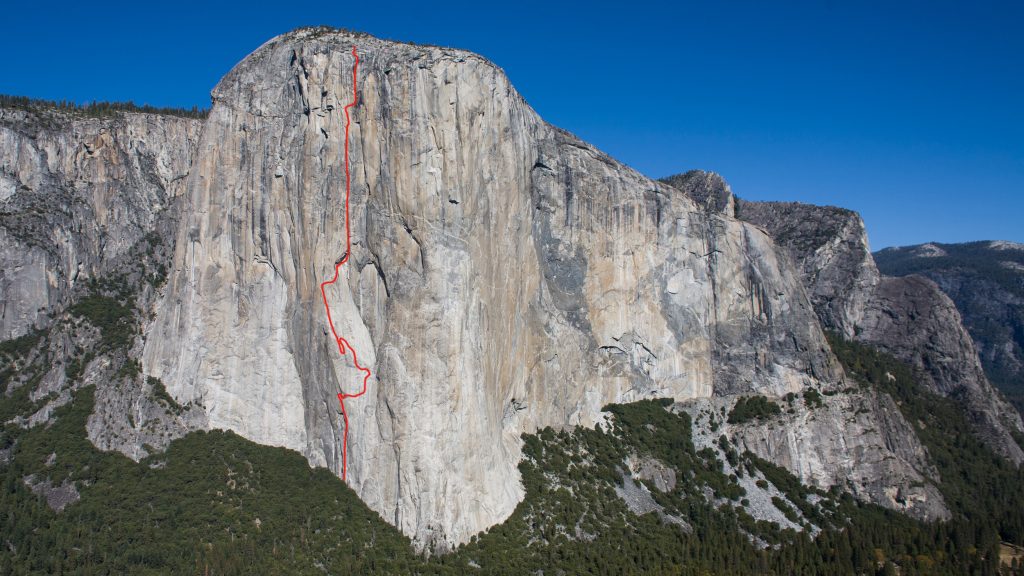
El Capitan, the 900-meter granite monolith in Yosemite National Park, has long been a mecca for climbers worldwide. While it is most famous for its multi-pitch climbs, such as the challenging The Nose route, El Capitan is also home to a variety of single pitch climbing routes. These routes, though shorter, are no less demanding than their multi-pitch counterparts.
For climbers, tackling El Capitan’s single pitch routes represents a chance to test their skills on some of the most iconic rock faces in the world. One example is The Grack, a famous 5.9 single pitch route that takes climbers up one of El Capitan’s lower faces. Despite being relatively short, this route presents several technical challenges, requiring precise footwork, balance, and the ability to handle exposed moves.
Another notable single pitch climb on El Capitan is the Bachar-Yerian, a 5.11d route that requires both strength and mental fortitude. Known for its crux section, this route involves a series of dynamic moves that test the climber’s ability to stay calm under pressure.
What makes climbing on El Capitan so unique is the combination of exposure and technical difficulty. The granite walls are known for their smooth, almost featureless faces, making it necessary for climbers to rely on their climbing technique and creativity. The view from the top, with the sheer drop into Yosemite Valley below, adds an extra element of psychological challenge.
2.2 Mount Moroto: A Hidden Gem for Adventurous Climbers
While El Capitan might be the most famous destination for rock climbers in the world, Mount Moroto, located in Uganda’s Karamoja region, offers a very different climbing experience. Mount Moroto is part of the Mountains of the Moon range, and it presents unique challenges due to its remote location, diverse ecosystems, and rugged terrain.
For climbers, Mount Moroto offers a fascinating mix of volcanic rock, weathered cliffs, and beautiful landscapes. While the climbing routes on Mount Moroto are not as famous as those of El Capitan, it is becoming an increasingly popular destination for climbers who are seeking adventure off the beaten path.
The single pitch climbing routes on Mount Moroto are often technical and demanding, with climbers navigating cliffs that require both mental and physical stamina. The routes range from easy scrambles to more advanced sport climbing challenges, and many climbers choose this area to push their boundaries in a relatively untouched environment.
In addition to the physical challenge, climbing on Mount Moroto offers climbers the opportunity to connect with the local culture. The Karamoja people, whose lifestyle revolves around pastoralism and traditional customs, often accompany climbers on their routes, providing insight into the region’s rich history and way of life.
The sense of isolation on Mount Moroto, combined with the natural beauty of the region, offers a completely different kind of climbing experience compared to the crowded cliffs of more popular destinations like Yosemite.
3. The Appeal of Single Pitch Climbing
3.1 Quick, Intense Challenge
For many climbers, the appeal of single pitch climbing lies in the immediacy of the experience. Single pitch routes are often shorter than multi-pitch climbs, but they still offer an intense challenge. Climbers have to concentrate fully on every move, using their technical skills to solve problems on the wall quickly and efficiently.
This adrenaline-packed nature of single pitch climbing is often more appealing to those who want to get straight to the action without spending hours on a long, multi-pitch climb. The satisfaction of completing a challenging route in a short amount of time is one of the biggest draws for both beginner and advanced climbers.
3.2 Accessibility for All Levels of Climbers
Single pitch climbing is also more accessible for a broader range of climbers. Since the routes are shorter and require less setup, it’s easier for beginners to get started with climbing and develop their skills. For more experienced climbers, single pitch routes provide a chance to practice technique, experiment with new moves, and hone their skills without committing to a lengthy multi-pitch ascent.
As a result, single pitch climbing has become a gateway to the sport, allowing climbers to quickly gain confidence and progress to more challenging routes. The approachability of single pitch routes is one of the main factors contributing to their rising popularity in the climbing community.
4. The Future of Single Pitch Climbing
4.1 A Global Trend in Rock Climbing
As climbing becomes more accessible and more people discover its appeal, it is likely that single pitch climbing will continue to grow in popularity. The increasing availability of well-maintained and well-marked single pitch routes in climbing destinations worldwide makes it easier for climbers to enjoy the sport, whether they are in a remote location like Mount Moroto or a famous climbing hotspot like Yosemite.
Moreover, as more climbing gyms are built around the world, the focus on single pitch routes is expanding. These gyms provide a safe environment for beginners and intermediates to practice single pitch techniques, making it easier for individuals to transition from indoor climbing to outdoor rock faces.
4.2 The Enduring Appeal of Iconic Routes
As climbers continue to push their limits, iconic single pitch routes in famous locations like El Capitan will continue to attract climbers from all over the world. However, as climbing destinations continue to be discovered in less explored areas, more climbers will seek the adventure and mystique of less-traveled places, such as Mount Moroto. The future of climbing lies in finding a balance between preserving these natural wonders and ensuring that they remain accessible to adventurous climbers for generations to come.
Conclusion: A New Era for Rock Climbing
The rise of single pitch climbing is emblematic of a broader shift in the rock climbing community. Climbers are increasingly drawn to the challenge, adventure, and authentic experiences offered by single pitch routes. Whether it’s testing their skills on the towering granite walls of El Capitan or exploring the rugged landscapes of Mount Moroto, these routes provide a satisfying blend of physical and mental challenge, with the added bonus of being able to enjoy more accessible, time-efficient climbs.
As the popularity of rock climbing continues to grow, single pitch routes will remain a cornerstone of the climbing world, offering a perfect balance of challenge, technique, and connection with the environment.