





Introduction: The Thrill of the Unknown
In the modern world of travel and adventure, more and more people are seeking experiences that push their limits, reconnect them with nature, and immerse them in places of raw beauty and uncharted territory. One such pursuit is jungle adventure — a thrilling and often daunting challenge that offers an unrivaled connection to the wilderness. From dense rainforests to tropical jungles, exploring these untouched ecosystems has become an increasingly popular extreme activity for adrenaline junkies, nature lovers, and seasoned explorers alike.
Jungle adventures provide an opportunity for individuals to test their physical and mental endurance while surrounded by some of the planet’s most diverse and biodiverse environments. This article explores why jungle expeditions have become such a sought-after extreme activity, delving into the physical challenges, thrills, and life-changing experiences that these wilderness adventures offer.
1. What Makes Jungle Adventures So Appealing?
1.1 The Allure of the Wilderness
Jungle adventures appeal to a deep, primal need within many adventurers: the call to the wild. Unlike more conventional outdoor activities such as hiking in national parks or skiing down mountain slopes, jungles provide an unfiltered, intense immersion into nature’s most untouched, raw spaces.
The dense vegetation, exotic wildlife, and unique ecosystems make jungle treks a sensory overload for adventurers who crave something beyond the typical tourist experience. The experience of moving through these environments — where every turn can bring something new and unexpected — brings a sense of discovery and exploration that few other environments can provide.
Moreover, jungles often represent unexplored frontiers. For adventurers, this means the opportunity to uncover hidden treasures, such as undiscovered waterfalls, ancient ruins, or rare animal sightings. Every inch of the jungle presents both beauty and danger, which makes it a thrilling yet humbling experience.
1.2 Physical and Mental Challenges
Jungle trekking and exploration involve rigorous physical challenges that push the human body to its limits. Climbers, trekkers, and survivalists must traverse through difficult terrain, including steep hills, swampy areas, dense undergrowth, and crossing rivers. The terrain is often unstable, and explorers must constantly be on the lookout for natural obstacles that could hinder their progress or pose danger.
Mentally, jungle adventures demand a high level of resilience and mental toughness. Trekkers need to remain calm and focused, particularly in remote areas where access to supplies and help is limited. Adventurers often have to deal with discomforts such as heat, humidity, and insect bites, which test both physical endurance and psychological strength. Moreover, a sense of isolation can set in as travelers venture deep into the jungle, requiring them to rely on their instincts and survival skills.
1.3 Connection with Nature
One of the most profound reasons that people seek jungle adventures is the deep connection with nature that such experiences offer. Modern life can be overwhelming, with constant connectivity, noise, and stress. In contrast, the jungle offers peace, solitude, and a chance to reconnect with the earth in its purest form.
Exploring these dense, often unspoiled areas gives adventurers an opportunity to witness firsthand the delicate balance of ecosystems. There’s an unmatched opportunity to observe wildlife in its natural habitat, interact with indigenous flora and fauna, and learn about the ecology and conservation efforts that are often at the heart of jungle expeditions.
2. Popular Jungle Adventure Destinations
2.1 The Amazon Rainforest
No discussion of jungle adventures would be complete without mentioning the Amazon Rainforest. Spanning across nine South American countries, the Amazon is the world’s largest tropical rainforest and home to unparalleled biodiversity.
Explorers and adventure seekers can journey into the heart of the Amazon Basin, navigating its complex network of rivers, and trekking through lush jungle landscapes filled with exotic wildlife like jaguars, anacondas, and capybaras. With dense foliage that can be challenging to move through, and unpredictable weather patterns, the Amazon offers some of the most difficult and rewarding jungle expeditions in the world.
Beyond the adventure of traversing the jungle, the Amazon is home to indigenous communities who offer cultural exchanges and guide adventurers through this mystical environment. In addition to the physical challenges, the Amazon’s remoteness requires climbers and trekkers to be self-sufficient and equipped with the skills needed to survive in one of the most biologically diverse yet dangerous places on Earth.
2.2 Southeast Asia: Cambodia, Thailand, and Laos
Southeast Asia is home to lush jungles that are a playground for explorers seeking excitement and challenge. Cambodia’s Angkor Wat, for example, provides the opportunity to trek through dense jungle pathways that lead to ancient temples and historical ruins. These remote areas often require professional guides who are experts in navigating dense forest regions that conceal remnants of civilizations from centuries past.
Thailand offers jungle trekking adventures in Chiang Mai, where travelers can venture into dense forests to encounter wild elephants and stay with local hill tribes. Similarly, Laos offers Nam Ha National Protected Area, a conservation site known for trekking, kayaking, and wildlife viewing.
These destinations offer a diverse experience, blending historical intrigue with intense physical challenges. Additionally, Southeast Asia’s jungles are often easier to access than more remote regions, making them an ideal destination for first-time jungle adventurers.
2.3 Africa: Uganda and the Congo Basin
Africa’s rainforests are another coveted destination for jungle adventurers. Uganda, with its Bwindi Impenetrable Forest, is a top spot for adventurers seeking to trek to see mountain gorillas. Navigating through the dense forest, adventurers must endure physically demanding conditions while also participating in one of the world’s most significant conservation efforts to protect endangered species.
The Congo Basin in Central Africa offers a more rugged, challenging environment. This area is home to the Gorillas of the Congo and other rare species, offering an intense and authentic jungle adventure. Survival trips here require seasoned guides due to the dense foliage and challenging terrains, as well as the prevalence of tropical diseases like malaria.
2.4 Central America: Costa Rica and Panama
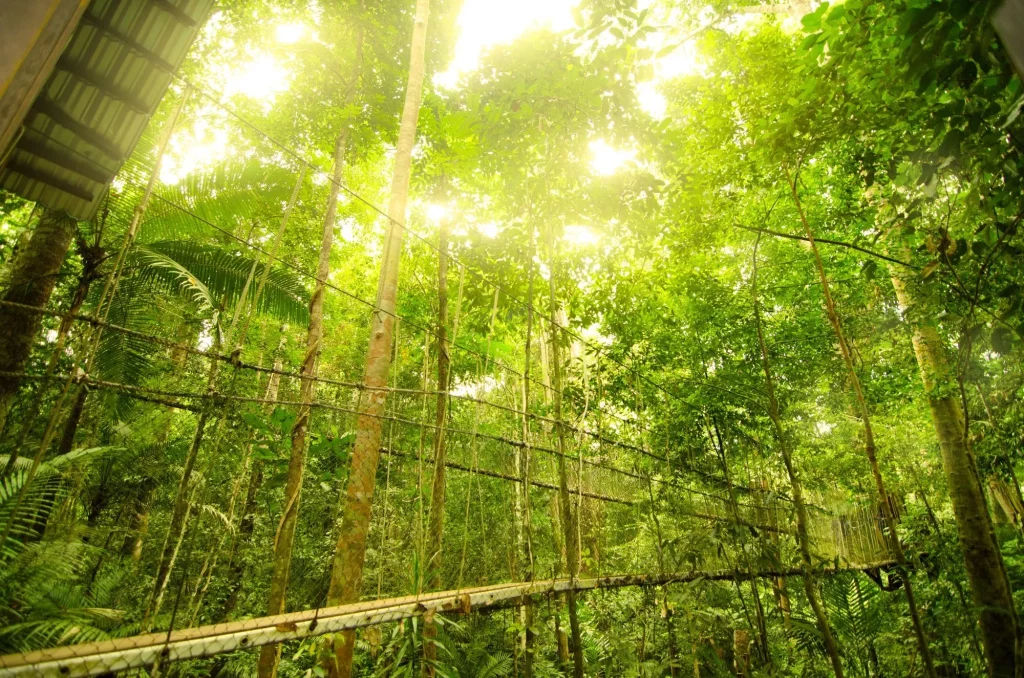
Central America is home to some of the most vibrant jungles in the world. Costa Rica is particularly famous for its eco-tourism and biodiversity, with sprawling rainforests like those found in Corcovado National Park. Adventurers can enjoy canopy tours, waterfall treks, and wildlife spotting in a rich and diverse environment.
Panama, with its Darien Gap and rainforests, offers treks that combine history, culture, and adventure. Many of Panama’s jungle areas are off the beaten path, providing explorers with the perfect opportunity to experience the rugged beauty of the jungle without the crowds.
3. The Physical Demands of Jungle Adventure
3.1 Endurance and Fitness
Jungle exploration is a highly physically demanding activity. The terrain is often uneven and difficult to navigate, requiring adventurers to possess a solid base of endurance and physical fitness. Adventurers may have to climb steep hills, traverse swampy areas, or swim through rivers, all while carrying heavy backpacks filled with necessary survival gear.
3.2 The Mental Challenge
Jungle adventures are as mentally taxing as they are physically. The isolation, the constant challenge of survival, and the unpredictable weather can all take a toll on the mind. Mental resilience is necessary to remain focused, calm, and resourceful. Climbers and trekkers must be able to adapt quickly to unforeseen circumstances, whether it’s dealing with sudden rainstorms, getting lost in dense jungle, or encountering wildlife.
4. Survival Skills for Jungle Exploration
4.1 Navigating through the Jungle
One of the most critical survival skills in a jungle adventure is knowing how to navigate dense forest environments. In many jungles, compasses and maps are of limited use due to the thick foliage and lack of clear landmarks. Explorers must rely on their ability to read the environment, track natural markers, and use tools such as GPS devices or specially trained guides to keep on course.
4.2 Dealing with Wildlife
Jungles are home to a wide array of wildlife, some of which can be dangerous. Knowing how to deal with snakes, insects, and predators is vital for survival. Climbers must understand how to protect themselves from bites and stings, as well as how to react if they encounter larger animals like bears or big cats. Understanding the behavior of local wildlife and having appropriate gear (such as insect repellent, first aid kits, and protective clothing) is essential.
5. The Future of Jungle Adventure
As more people seek out unique and challenging experiences, jungle adventures will likely remain a prominent choice for extreme travelers. However, with the increasing popularity of these expeditions comes a greater need for sustainable practices and conservation efforts. The protection of jungle ecosystems and the promotion of responsible tourism will ensure that these awe-inspiring destinations remain accessible for future generations of adventurers.
Conclusion: An Unmatched Adventure
Jungle exploration offers a powerful combination of thrill, discovery, and personal growth. For those willing to embrace the challenge of trekking through dense forests and facing unpredictable environmental conditions, the rewards are immense — both physically and spiritually. Whether it’s witnessing rare wildlife in its natural habitat, surviving in a challenging environment, or connecting with nature on a profound level, jungle adventures provide an opportunity to push the boundaries of human endurance and experience some of the most awe-inspiring landscapes on Earth. For adventure seekers, it remains one of the most exciting and extreme activities to undertake.