








Introduction: The Ultimate Wilderness Challenge
Hiking is one of the most rewarding outdoor activities, offering the opportunity to experience the beauty of nature, test one’s physical endurance, and gain a sense of accomplishment. While many hiking trails around the world are famous for their beauty and accessibility, few can match the Pacific Crest Trail (PCT) in terms of difficulty, length, and the sheer mental and physical challenge it presents. Spanning over 2,650 miles from the Mexican border in California to the Canadian border in Washington, the PCT is one of the most demanding hiking trails in the world.
The trail is renowned not only for its extreme length but also for the diverse and often harsh environments it passes through — from the desert landscapes of Southern California to the snow-covered peaks of the Sierra Nevada and the dense forests of the Pacific Northwest. This long-distance trail presents a variety of physical challenges and requires hikers to be self-sufficient, resilient, and well-prepared for the unpredictable conditions they may encounter.
This article will explore the Pacific Crest Trail, including its history, challenges, and why it remains one of the ultimate hiking expeditions for outdoor adventurers seeking to push their limits.
1. History of the Pacific Crest Trail
1.1 Origins and Development of the PCT
The Pacific Crest Trail was conceived in the early 20th century as part of the National Trails System Act. The idea was to create a long-distance hiking trail that would span the length of the western United States, connecting the Mexico–California border to the Canadian border in Washington. The goal was to provide outdoor enthusiasts with an immersive experience of the rugged wilderness, offering a challenging route through forests, mountains, and deserts.
The trail was first proposed by Clifford P. Johnson in the early 1930s, but it wasn’t until 1968 that the PCT was officially established as a part of the National Trails System under the National Trails System Act. The creation of the trail began with the support of conservationists, trail advocates, and the U.S. Forest Service, and it has since become a legendary trek for serious hikers.
1.2 Construction and Maintenance of the Trail
The construction of the PCT was an enormous undertaking. It required collaboration between various governmental agencies, including the National Park Service, the U.S. Forest Service, and private organizations. Volunteers played a key role in its development, contributing countless hours to clear the path, establish markers, and build shelters along the trail. Today, the trail continues to be maintained by volunteer groups and organizations like the Pacific Crest Trail Association (PCTA).
Throughout its history, the trail has been continuously improved, with trail reroutes, bridge construction, and the addition of new campsites and shelters. However, the remote nature of many parts of the trail means that hikers still face the challenge of navigating rugged terrain and unpredictable weather conditions.
2. The Route: A Journey Through Diverse Landscapes
2.1 The Southern California Desert
The PCT begins in the desert of Southern California, where hikers must contend with hot temperatures, dry conditions, and a lack of water sources. The Anza-Borrego Desert and the San Bernardino Mountains are particularly demanding sections of the trail. The desert landscapes are beautiful, but the extreme heat can be exhausting, particularly in the summer months.
Hikers in the desert section face a range of challenges, including navigating through sparse vegetation, finding reliable sources of water, and coping with the harsh sun. There is also a risk of dehydration, heatstroke, and exhaustion in this section, which makes proper hydration and weather preparation essential.
2.2 The Sierra Nevada Mountains
As trekkers move north, they encounter the stunning Sierra Nevada Mountains, home to some of the most breathtaking landscapes along the trail. Here, hikers are greeted with snow-capped peaks, crystal-clear lakes, and dense forests of pine and fir. However, the challenge of this section lies in its elevation, as the trail climbs to more than 13,000 feet at its highest point.
In addition to the high altitude, hikers face difficult terrain and unpredictable weather conditions. Snowstorms, sudden temperature drops, and intense sunlight are common challenges in the Sierra Nevada. The trail also passes through glacial valleys, which require trekkers to cross swift rivers and navigate through challenging rocky sections.
The John Muir Trail, one of the most famous hiking routes in the U.S., overlaps with the PCT for much of this section, offering even more scenic vistas for those looking to experience the beauty of the Sierra Nevada.
2.3 Northern California and Oregon: Rugged and Remote
As trekkers leave the Sierras and head into Northern California and Oregon, the landscapes become more forested and remote. Redwood forests, lush vineyards, and tall Douglas firs characterize the terrain, but hikers still face significant challenges. The trail through Northern California is known for being particularly isolated and rugged, requiring hikers to be fully self-sufficient for days at a time.
The section of the trail through Oregon is known for its volcanic peaks and dense forests, and it is often seen as one of the most grueling and rewarding segments of the PCT. The challenges of crossing river valleys, finding reliable water sources, and dealing with sudden temperature drops are constant throughout these regions.
2.4 The Pacific Northwest: Cascades and the Final Stretch
The final leg of the PCT takes hikers into the Cascades of Washington and Canada, where the rugged mountains and deep old-growth forests offer both challenges and rewards. The trail passes through areas that receive heavy rainfall, creating muddy conditions, as well as sections that are steep and difficult to navigate.
The wildlife in this region is abundant, with bears, deer, and wolves being common sights. Hikers must be prepared for the cold, wet conditions, especially in the fall months, as the weather can quickly turn harsh. As they approach the end of the journey, trekkers are rewarded with views of Mount Rainier and the Canadian border, the culmination of an incredible adventure.
3. The Challenges of Hiking the Pacific Crest Trail
3.1 The Physical Demands
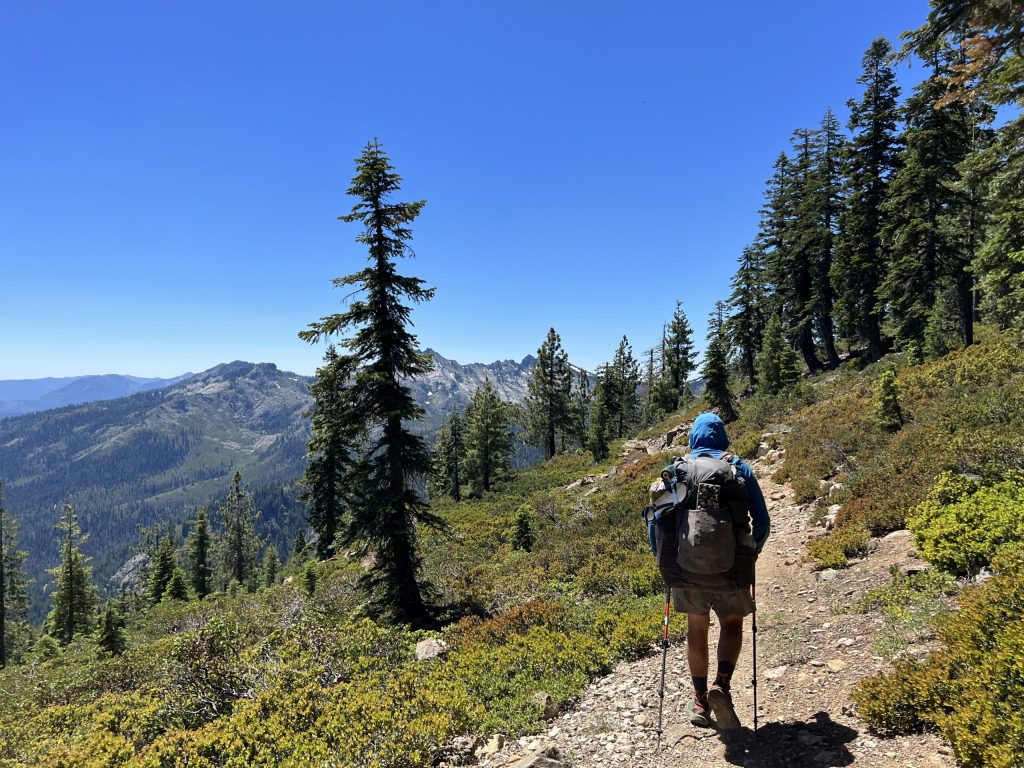
The Pacific Crest Trail is not just a hike; it’s an epic journey that demands a high level of physical fitness. Hikers often cover between 15 to 20 miles per day, and this can increase to 30 or more miles for seasoned hikers. The trail’s elevation gain and steep climbs in sections like the Sierra Nevada are particularly strenuous, requiring trekkers to be in top physical shape.
Additionally, the altitude in the Sierra Nevada and Cascades can cause altitude sickness if hikers don’t acclimate properly. Sleep deprivation, combined with days of relentless hiking, can lead to fatigue and physical burnout. This trail is not for the faint of heart, and hikers must train extensively before attempting such a challenging journey.
3.2 The Mental Challenge
While physical fitness is crucial, the mental aspect of hiking the PCT cannot be overstated. The long days, solitude, and the constant pressure to keep moving forward can take a toll on a hiker’s mental health. There are often moments of doubt, especially when hikers face difficult weather, unexpected challenges, or physical injuries.
Maintaining mental resilience and staying focused on the goal is essential to completing the trail. Hikers need to be prepared for the isolation of the journey and should have strategies in place to cope with loneliness or negative thoughts.
3.3 The Importance of Preparation
Preparation is the key to success on the Pacific Crest Trail. Hikers need to plan their route, carry appropriate gear, and prepare for both the physical and mental challenges. Proper food resupply and water management are crucial, as is ensuring that you have the proper clothing and shelter for the varying conditions along the way.
A key part of preparation is understanding the weather patterns and seasonal changes. Many hikers opt to start their journey in spring to avoid the heavy snowfalls of the Sierra Nevada, but this also means dealing with the desert heat early in the journey. For some, timing their hike around the changing seasons can mean the difference between an enjoyable experience and a dangerous one.
4. Conclusion: The PCT – A Journey of a Lifetime
The Pacific Crest Trail is a test of endurance, self-reliance, and mental strength. It’s one of the most rewarding and challenging hikes on the planet, offering adventurers the opportunity to experience some of the most diverse and stunning landscapes in North America. From the harsh deserts of California to the lush forests of the Pacific Northwest, the PCT is a journey that will push every hiker to their limits and beyond.
But it’s also a journey of discovery. Completing the PCT is not just about the physical achievement of crossing thousands of miles. It’s about personal growth, the relationships formed along the way, and the deep sense of connection to nature and the world around us. For those willing to take on this monumental challenge, the Pacific Crest Trail offers an adventure like no other — a journey of a lifetime.