









Introduction: The Ultimate Adventure Awaits
Adventure is a journey of self-discovery, physical endurance, and mental fortitude. For thrill-seekers, epic adventures combine the ultimate physical challenges with the allure of exploring some of the world’s most remote and wild landscapes. From tackling rugged mountain peaks through strenuous hiking expeditions to navigating the violent, foamy waters of extreme whitewater rafting, these activities push the boundaries of human strength, resilience, and determination.
In recent years, the demand for these adrenaline-pumping adventures has increased as more travelers seek to move beyond traditional vacations and embrace experiences that provide not only physical challenges but also personal growth and unforgettable memories. Whether it’s trekking across hostile terrains or navigating powerful rapids, the thrill of extreme adventure lies in the overcoming of obstacles, conquering fears, and achieving something extraordinary.
This article will explore the two core elements of epic adventures: hiking expeditions and extreme whitewater rafting, and why these activities have become the gold standard for those seeking more than just a vacation. We will examine the appeal of these adventures, their challenges, and the preparation required for a successful and safe experience.
1. Hiking Expeditions: The Call of the Mountains
1.1 The Rise of Hiking as an Epic Adventure
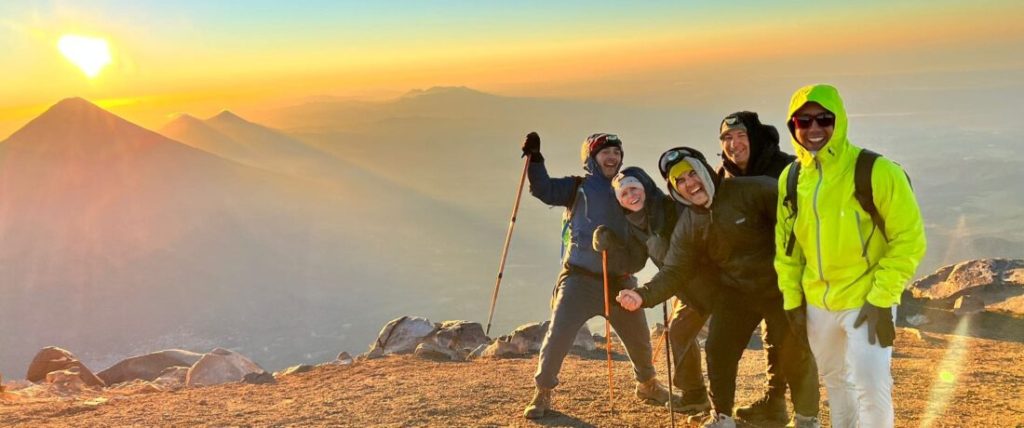
Hiking, while a traditional outdoor activity, has evolved into a major adventure sport in recent years. What was once a leisurely stroll through nature has now become a global pursuit, with travelers embarking on epic treks through some of the world’s most extreme landscapes. The appeal of hiking lies in its simplicity – it’s just you, your gear, and the natural world. Yet, the journey through rugged mountain ranges, dense forests, and across remote deserts offers challenges that many people never experience in their day-to-day lives.
For some, mountain climbing or trekking across extreme terrains is an initiation into the world of adventure. There’s something incredibly satisfying about reaching the summit of a difficult peak, knowing that only a few people have ever set foot where you stand. From the Himalayas to the Andes, and the Rockies to the Alps, every mountain offers a unique challenge that requires patience, skill, and determination. These adventures provide a sense of achievement, and they connect trekkers to something far greater than themselves — the majestic power of nature.
1.2 Notable Epic Hiking Routes Around the World
1.2.1 The Inca Trail, Peru
One of the world’s most famous trekking routes, the Inca Trail to Machu Picchu offers trekkers the chance to walk through history. Spanning 26 miles through the Andes, this multi-day journey features ancient ruins, steep mountain passes, and jaw-dropping views. The trek’s elevation changes and varied terrain add to the challenge, as trekkers climb through lush cloud forests, past impressive archaeological sites, and eventually reach the Lost City of the Incas.
1.2.2 Mount Everest Base Camp Trek, Nepal
For those who dream of reaching the highest point on Earth but are not quite ready to climb Mount Everest itself, the Everest Base Camp Trek is the ultimate adventure. Spanning approximately 40 miles, the trek takes adventurers through Nepal’s Khumbu region, with stunning views of Mount Everest and the surrounding peaks. The harsh terrain, altitude, and remote setting make it a physically demanding trek, but the reward is worth every step.
1.2.3 The Appalachian Trail, USA
Stretching over 2,190 miles from Georgia to Maine, the Appalachian Trail is one of the longest continuous footpaths in the world. Trekking this iconic American trail is an undertaking that can take months to complete. Hikers face a variety of challenges including wildlife encounters, harsh weather conditions, and dense forests. This trail offers a profound opportunity to connect with nature, experience solitude, and test endurance.
1.2.4 The Camino de Santiago, Spain
For those seeking a more spiritual adventure, the Camino de Santiago in Spain offers an ancient pilgrimage route that has been walked for over 1,000 years. The trail spans over 500 miles from Saint-Jean-Pied-de-Port in France to Santiago de Compostela in Spain. Beyond its physical challenge, the Camino offers introspection and the opportunity to experience local culture, small villages, and historical landmarks.
1.3 Challenges of Epic Hiking Expeditions
While hiking can be an immensely rewarding experience, these epic expeditions are not without their challenges. The physical demands alone can test even the fittest individuals. Climbers and trekkers must be prepared for varying weather conditions, high altitudes, and difficult terrain. Here are some of the key challenges:
- Altitude Sickness: At higher altitudes, the body must adapt to lower oxygen levels, which can result in headaches, nausea, and fatigue. In severe cases, altitude sickness can lead to life-threatening complications like pulmonary edema. Proper acclimatization is critical to prevent this condition.
- Weather Extremes: In many remote areas, trekkers will face unpredictable weather patterns — from intense sun exposure to freezing temperatures and thunderstorms. Knowing how to dress in layers, stay dry, and seek shelter is essential for survival.
- Wildlife Encounters: While hiking in certain regions, trekkers may encounter bears, mountain lions, or other dangerous animals. Staying calm, making noise, and being aware of your surroundings are important safety measures.
- Mental Endurance: Epic hiking journeys are as much a mental challenge as a physical one. Days of constant walking, exhaustion, and isolation can cause mental fatigue, and hikers must be prepared to push through moments of doubt and frustration.
2. Extreme Whitewater Rafting: Conquering the Rapids
2.1 The Thrill of Whitewater Rafting
For adventure seekers who crave water-based adrenaline, extreme whitewater rafting offers an exhilarating challenge. The unpredictability of the river, combined with the rush of navigating through tumultuous rapids, creates an experience that is hard to match. The skill required to paddle through class V rapids or face river obstacles like rocks, whirlpools, and falls makes rafting a true test of coordination, endurance, and courage.
In recent years, whitewater rafting has become a popular choice for those looking for intense outdoor experiences, with some of the world’s most famous rivers providing the perfect terrain for such extreme sports.
2.2 Notable Whitewater Rivers for Epic Adventures
2.2.1 The Zambezi River, Zambia/Zimbabwe
One of the world’s most famous whitewater rafting destinations, the Zambezi River flows beneath the mighty Victoria Falls. The rapids here are wild, powerful, and dangerous, making this one of the ultimate rafting experiences for thrill-seekers. Rafters must navigate class V rapids, cataracts, and huge waves as they descend into the deep gorge. The sheer force of the water, combined with the stunning African landscape, creates an unforgettable adventure.
2.2.2 The Colorado River, USA
The Colorado River through the Grand Canyon offers some of the most dramatic rafting in the world. The river offers a wide variety of rapids, including challenging class IV and V sections, as well as stretches of calm water that allow for scenic relaxation. Rafting through the Grand Canyon provides an unparalleled view of the world’s most iconic landscapes — but it’s not for the faint of heart. Navigating the rapids requires teamwork, skill, and a deep understanding of the river’s flow.
2.2.3 The Futaleufú River, Chile
Considered one of the best whitewater rafting destinations globally, the Futaleufú River in Chile is famous for its turquoise waters, awe-inspiring rapids, and breathtaking scenery. The river is known for its powerful class IV and V rapids that offer a perfect balance between technical challenges and scenic beauty.
2.2.4 The Tully River, Australia
In Queensland, Australia, the Tully River is another popular destination for extreme rafting. Known for its consistent rapids, this river offers adventurers the opportunity to paddle through lush tropical rainforests and stunning waterfalls. The Tully River is perfect for those looking to combine rafting thrills with the beauty of Australia’s natural environment.
2.3 Key Challenges of Extreme Whitewater Rafting
Whitewater rafting, especially in the most extreme conditions, requires careful preparation and skilled leadership. Some of the challenges that come with rafting these extreme rivers include:
- Understanding Rapids: Rapids are categorized by their difficulty, with class I being the easiest and class V the most dangerous. For class IV and V rapids, understanding the water flow, anticipating obstacles, and executing proper paddling techniques are critical for survival.
- Safety Protocols: As with any extreme sport, safety is paramount. Wearing appropriate safety gear, such as a life jacket, helmet, and wet suit, is essential. Rafters must also undergo proper safety training to handle capsizes, swift water rescues, and potential injuries.
- Weather and Water Conditions: Extreme weather and river conditions can change rapidly. Trekkers need to be prepared for floods, rapid water rises, and intense heat or cold that may make rafting more hazardous. Timing a rafting expedition according to the season and water flow is important for safety.
- Physical Endurance: Rafting requires strength, coordination, and stamina. Constant paddling through powerful rapids can be physically exhausting, especially when fighting the current or navigating dangerous sections.
3. Conclusion: Pursuing the Ultimate Epic Adventure
Epic adventures like mountain hiking and extreme whitewater rafting represent the pinnacle of outdoor exploration. Whether you’re pushing yourself to the limit on a rugged hike or conquering turbulent rapids, these experiences offer unmatched thrill, adrenaline, and personal growth. However, they also require extensive preparation, training, and awareness to ensure safety and success.
For those who are willing to face the challenges, these extreme activities offer the opportunity to experience the natural world in a way few others do. Whether you’re scaling mountain peaks or navigating the wildest rivers, the journey toward self-discovery, strength, and conquest is what makes these epic adventures worth every effort.