









Introduction
The concept of luxury travel has evolved over the years, with high-end travelers seeking increasingly exclusive, personalized, and seamless experiences. Gone are the days when luxury was solely defined by five-star hotels, private jets, and indulgent amenities. Today’s elite travelers demand more: they seek authenticity, immersion, and customization, with every detail of their journey designed to meet their personal preferences and desires.
Luxury travel, particularly the high-end custom experience, is not just about opulence; it’s about a heightened sense of individuality, freedom, and a desire to experience the world in a way that few others can. Whether it’s a private yacht charter in the Mediterranean, a bespoke safari in Africa, or a remote island getaway with only the most exquisite services and accommodations, luxury travel offers unparalleled access to the world’s most extraordinary destinations and experiences.
In this article, we will explore what defines luxury travel in the modern age, the rise of high-end custom travel experiences, and how the travel industry is reshaping its offerings to cater to the demands of the affluent traveler. From ultra-exclusive destinations to personalized itineraries, we will provide a deep dive into the world of luxury and customized travel and why it is more than just a trend—it’s a new way of experiencing the world.
The Evolution of Luxury Travel
To understand modern luxury travel, we must first examine how the concept of luxury in travel has evolved. Historically, luxury travel was reserved for the elite few who had access to the finest hotels, first-class flights, and private tours. However, with the democratization of travel and an increasingly interconnected world, the definition of luxury travel has changed, becoming more individualized and experiential.
1. Traditional Luxury: Comfort and Extravagance
In the past, luxury travel focused primarily on comfort, extravagance, and convenience. Opulent hotels like the Ritz-Carlton, four-course meals on fine china, and luxurious first-class flights with full recliner seats were hallmarks of the elite travel experience. The goal was to surround the traveler with the best of everything—grand chandeliers, marble floors, personal butlers, and the finest wines—all in a setting of exclusivity and grandeur.
However, while comfort and indulgence were the focus, these elements alone were not enough to satisfy the more discerning travelers of today. The modern traveler, particularly those from affluent backgrounds, now values not just the physical luxury of their journey but the emotional and experiential aspects as well.
2. The Rise of Experiential Luxury Travel
In recent years, luxury travel has shifted toward experiential luxury, where the emphasis is placed on unique, transformative, and deeply personalized experiences. Whether it’s attending a private concert in an Italian vineyard, exploring Antarctica on an expedition cruise, or enjoying a personalized cooking class with a Michelin-starred chef, the idea of luxury has moved beyond opulent surroundings to embrace experiences that create lasting memories.
This transition from traditional luxury to experiential luxury has been accelerated by a new generation of travelers—millennials and Gen Z—who seek authentic and meaningful connections with the places they visit. They no longer just want a comfortable hotel room; they want to engage with local cultures, embark on adventures, and explore the world in a way that feels deeply personal and tailored to their interests.
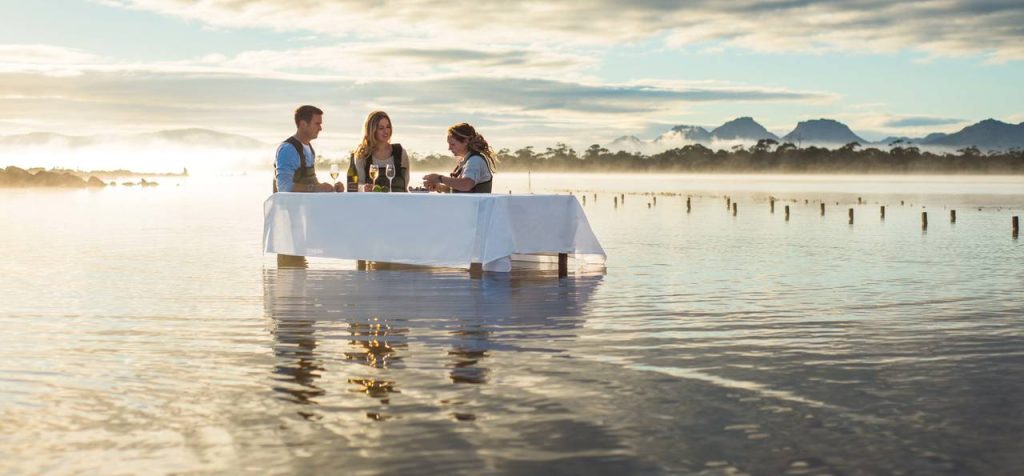
High-End Custom Travel Experiences: A New Era of Personalization
The rise of high-end custom travel experiences marks a new era in the luxury travel industry. These bespoke travel experiences go beyond simply booking a luxury hotel or first-class ticket; they are meticulously planned and curated to match the traveler’s individual preferences, desires, and lifestyle.
1. Bespoke Itineraries: Crafting a Journey Tailored to You
The essence of high-end custom travel lies in the creation of bespoke itineraries. These itineraries are designed with one goal in mind: to meet the exact needs, preferences, and interests of the traveler. For example, a traveler who is passionate about art may wish to visit private galleries, meet local artists, and participate in exclusive cultural events. Alternatively, a nature lover may want to embark on a curated eco-tour with private guides through remote wildlife sanctuaries or pristine natural landscapes.
Every aspect of the itinerary is carefully planned, including accommodations, dining, activities, and even the timing of the trip. Travelers are provided with 24/7 access to a concierge service, ensuring that their every need is met and their experience is flawless from start to finish.
2. Private Transportation: Unmatched Convenience and Privacy
One of the defining elements of luxury travel is the access to private transportation, which can range from private jets and yachts to chauffeured cars and helicopters. For many, traveling in a private jet offers a level of convenience, comfort, and privacy that commercial flights simply cannot match. Not only do passengers enjoy the luxury of avoiding long security lines and crowded terminals, but they also benefit from personalized services, such as bespoke catering and custom flight itineraries, ensuring that the journey itself becomes part of the overall experience.
Private yachts offer an entirely different kind of freedom—an opportunity to explore remote islands, untouched beaches, and hidden coves in a way that’s inaccessible to most. Whether cruising through the Mediterranean, exploring the Caribbean, or sailing off the coast of New Zealand, a private yacht allows travelers to enjoy unparalleled luxury while immersing themselves in the natural beauty of their surroundings.
Chauffeured cars and helicopters can also be part of a high-end customized travel experience, offering seamless transportation between airports, resorts, and attractions while ensuring that the journey is as comfortable and exclusive as the destination itself.
3. Curated Experiences: Exclusive Access and Privileges
Another defining aspect of high-end custom travel is the opportunity for exclusive access to experiences that are unavailable to the general public. Imagine enjoying a private viewing of the Mona Lisa at the Louvre Museum after hours, attending a VIP gala in a historic palace, or dining in a Michelin-starred restaurant with a private chef. These are the types of experiences that high-end travelers seek out—ones that are reserved for a select few.
Custom travel companies work with a network of exclusive partners, including luxury hotels, private tour guides, renowned chefs, and event organizers, to arrange such privileged experiences. This could involve securing front-row tickets to a Broadway show, organizing a private wine-tasting tour in Bordeaux, or arranging a private helicopter tour of the Grand Canyon at sunset.
The level of exclusivity offered in these experiences is what sets them apart from typical vacation packages. For the traveler looking for something truly unique, these high-end experiences offer an opportunity to go beyond the conventional and discover hidden gems in the world’s most sought-after destinations.
4. Cultural Immersion: Going Beyond the Tourist Track
Luxury travelers increasingly desire cultural immersion—authentic experiences that allow them to connect with the local culture, people, and traditions of the places they visit. A tailored itinerary might include private cooking classes with local chefs, staying in exclusive boutique hotels in lesser-known neighborhoods, or participating in traditional ceremonies and cultural festivals that most tourists never get the chance to witness.
For example, travelers interested in exploring Japan might attend a tea ceremony in Kyoto with a renowned tea master, visit sacred temples on private guided tours, or learn the art of sushi-making from a Michelin-starred chef. For those visiting Africa, a private safari could include visits to remote Maasai villages or opportunities to interact with local wildlife conservationists, creating a deeper understanding and connection to the destination.
The key to cultural immersion in luxury travel is exclusivity and personalization—ensuring that every experience feels authentic, yet completely unique and tailored to the traveler’s interests.
Luxury Resorts and Villas: The Pinnacle of Comfort and Design
When it comes to accommodations, luxury travel offers some of the most stunning and exclusive properties in the world. These accommodations go far beyond the traditional hotel room—they are extraordinary estates that blend the finest amenities with unparalleled service.
1. Private Villas: Your Own Oasis
Private villas are a popular choice for luxury travelers who seek both comfort and privacy. These sprawling estates, often set in breathtaking locations such as tropical beaches, alpine mountains, or remote islands, offer guests the freedom to enjoy their surroundings without the intrusion of other guests. Villas typically come with personalized services, including private chefs, personal concierges, and butlers, ensuring that every need is met during the stay.
Whether it’s a secluded villa in the Maldives with its own infinity pool and overwater bungalow, or a historic villa in Tuscany surrounded by vineyards, the level of luxury and privacy provided by these properties is unparalleled.
2. Luxury Resorts: Unmatched Service and Amenities
Luxury resorts are another cornerstone of high-end travel, offering guests world-class amenities, exceptional service, and a wide range of activities and experiences. These resorts are often located in some of the most desirable destinations in the world, such as the Caribbean, the French Riviera, or the Swiss Alps. Resort guests can enjoy private beaches, exclusive golf courses, world-class spas, and five-star dining, all while experiencing the utmost in luxury and relaxation.
Some resorts also offer unique experiences such as wellness retreats, meditation programs, or curated art experiences, ensuring that each guest can enjoy a truly personalized and unforgettable stay.
The Future of Luxury Travel
The future of luxury travel lies in personalization, sustainability, and technological innovation. As travelers become more conscientious about their environmental impact, many luxury brands are adapting to meet these new demands by incorporating sustainable practices into their offerings. From eco-friendly accommodations to sustainable, locally sourced experiences, the industry is evolving to ensure that luxury travel is not just about indulgence but also about responsibility.
Additionally, advancements in technology, such as virtual reality, AI-driven concierge services, and biometric travel, are likely to revolutionize how luxury travelers interact with their surroundings and plan their journeys. The integration of these technologies promises to make custom travel experiences even more seamless and tailored than ever before.
Conclusion
Luxury travel and high-end custom experiences have become more than just a status symbol; they represent a new way of experiencing the world—one that prioritizes personalization, exclusivity, and immersion in extraordinary destinations. As travelers seek out unique, meaningful experiences that go beyond the ordinary, the industry has responded with bespoke itineraries, private transportation, exclusive access, and accommodations that redefine the idea of luxury. For those who seek the best in travel, the future is full of endless possibilities—each tailored to their exact desires and designed to create unforgettable memories.