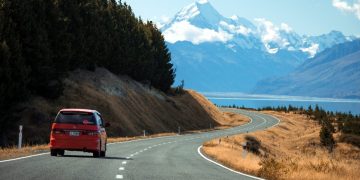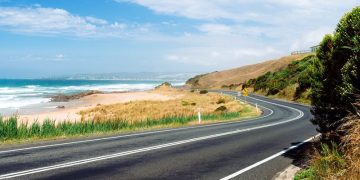









Australia is a land renowned for its natural beauty, diverse landscapes, and endless coastline stretching over 34,000 kilometers. Among the many ways to experience this vast continent, coastal road trips stand out as a perfect combination of adventure, relaxation, and discovery. Driving along Australia’s coastline allows travelers to witness breathtaking cliffs, pristine beaches, lush rainforests, and charming seaside towns, all while enjoying the freedom and flexibility that comes with exploring by car.
This article delves into the most iconic coastal road trips in Australia, providing insights on planning, route highlights, attractions, accommodation options, and practical tips for travelers seeking a unique and memorable driving experience.
1. Why Choose a Coastal Road Trip in Australia?
1.1 The Unique Appeal of Australia’s Coastline
Australia’s coastline is incredibly diverse. From the rugged cliffs of Victoria’s Great Ocean Road to the turquoise waters of Queensland’s Whitsundays, each region offers distinct landscapes, marine life, and cultural experiences. Coastal drives provide access to hidden beaches, surf towns, and national parks, creating opportunities to experience both natural beauty and local culture in one journey.
The appeal of a coastal road trip is multifaceted: travelers enjoy flexibility in itinerary, opportunities for photography, access to water sports, and unique culinary experiences at seaside towns and wineries.
1.2 Freedom and Flexibility of Road Travel
One of the most compelling reasons to choose a coastal road trip is the freedom to explore at your own pace. Unlike packaged tours, a self-drive journey allows travelers to make spontaneous stops, detour to hidden attractions, and immerse themselves in the local environment. For nature enthusiasts, this freedom enables access to off-the-beaten-path trails, secluded beaches, and wildlife encounters that would otherwise be difficult to reach.
2. Iconic Coastal Road Trips in Australia
Australia offers several iconic coastal drives, each with its own character, challenges, and highlights. Here, we explore the most renowned routes for travelers seeking an unforgettable road trip.
2.1 Great Ocean Road, Victoria
The Great Ocean Road (GOR) is arguably Australia’s most famous coastal drive. Stretching over 243 kilometers along the southeastern coast of Victoria, this route is a bucket-list journey for road trippers worldwide.
2.1.1 Highlights and Attractions
- Twelve Apostles: Towering limestone stacks rising dramatically from the Southern Ocean, offering breathtaking views, especially at sunrise or sunset.
- Loch Ard Gorge: A historic site named after a shipwreck, with stunning cliffs, caves, and a secluded beach.
- Apollo Bay: A picturesque seaside town known for its fresh seafood and vibrant local culture.
- Great Otway National Park: Offers rainforest walks, waterfalls, and native wildlife, including koalas and kangaroos.
2.1.2 Tips for Travelers
- Allow 2–3 days to fully explore the GOR, including side trips to rainforests and wildlife parks.
- Be mindful of wildlife crossings, especially at dawn and dusk.
- Check road conditions in advance, as some sections may be affected by weather or maintenance.
2.2 Pacific Coast, New South Wales and Queensland
The Pacific Coast drive stretches from Sydney to Cairns, covering over 2,500 kilometers of coastline along New South Wales and Queensland. This drive combines iconic surf towns, tropical beaches, and unique wildlife experiences.
2.2.1 Key Destinations
- Byron Bay: Famous for its relaxed lifestyle, beaches, and lighthouse walks.
- Gold Coast: Renowned for surfing, theme parks, and nightlife.
- Fraser Island: A UNESCO World Heritage site, the world’s largest sand island, accessible by 4WD.
- Whitsunday Islands: Gateway to the Great Barrier Reef, offering sailing, snorkeling, and diving adventures.
2.2.2 Travel Considerations
- The route requires at least 10–14 days for a comfortable pace.
- Use a 4WD vehicle for accessing remote islands and beach drives.
- Book accommodations in advance during peak tourist seasons, especially in Byron Bay and the Whitsundays.
2.3 Eyre Peninsula and Nullarbor Coast, South Australia
For travelers seeking a more remote and rugged adventure, the Eyre Peninsula and Nullarbor Coast offer pristine beaches, dramatic cliffs, and encounters with unique wildlife.
2.3.1 Highlights
- Coffin Bay National Park: Known for oyster farms, crystal-clear waters, and sand dunes.
- Whale Watching: Head to the Nullarbor region from June to October to spot southern right whales.
- Bunda Cliffs: Dramatic cliffs overlooking the Southern Ocean, offering panoramic views that stretch for kilometers.
2.3.2 Travel Tips
- Plan fuel stops carefully, as some sections are extremely remote.
- Carry ample water and emergency supplies for long stretches without services.
- Respect local regulations, especially for wildlife conservation areas.
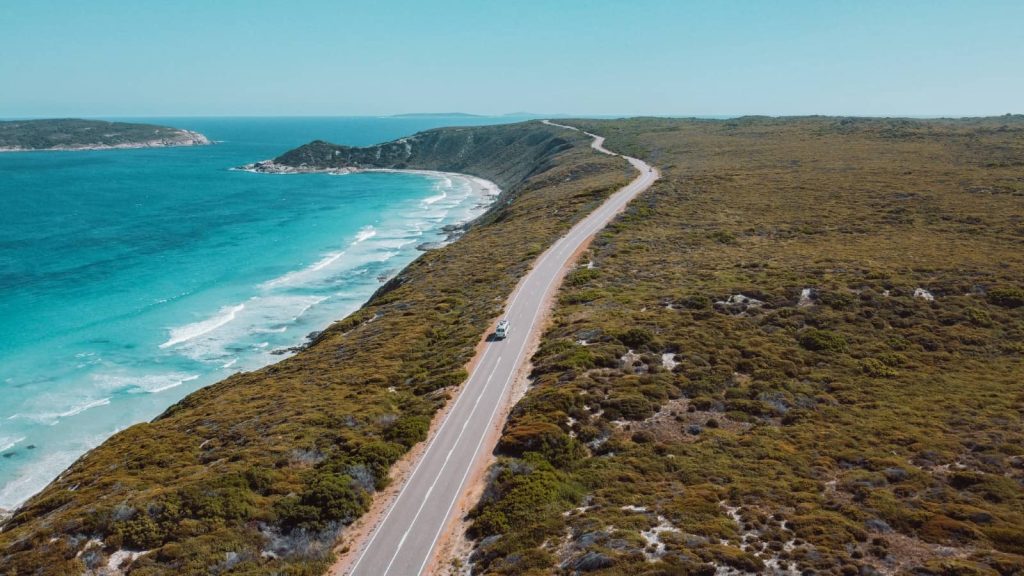
3. Planning a Coastal Road Trip
3.1 Choosing the Right Vehicle
Selecting the right vehicle is crucial. Options range from compact cars for city-to-coast drives to campervans and 4WDs for more rugged adventures. Consider:
- Comfort for long distances: Ensure adequate legroom and storage for luggage.
- Fuel efficiency: Long coastal drives can be costly if fuel consumption is high.
- Terrain adaptability: For off-road or sand drives, a 4WD is often essential.
3.2 Accommodation Options
Accommodation along Australia’s coast ranges from luxury resorts to eco-lodges, campgrounds, and homestays. Travelers can mix and match depending on budget and preference:
- Luxury Resorts: Offer comfort, spa services, and ocean views, ideal for relaxing after long drives.
- Eco-lodges and Homestays: Promote sustainable tourism and local engagement.
- Camping and Glamping: Affordable and immersive options for nature enthusiasts, particularly in national parks and remote beaches.
3.3 Timing and Seasonality
The best season for a coastal road trip varies by region:
- Great Ocean Road: September to April for mild weather and clear skies.
- Pacific Coast: May to October avoids the wet season in Queensland.
- Nullarbor Coast: Spring and autumn provide moderate temperatures for long drives.
Planning according to season ensures safer roads, better wildlife viewing opportunities, and a more enjoyable experience.
4. Safety Considerations
4.1 Road Safety
- Obey speed limits, especially in rural or wildlife-prone areas.
- Drive cautiously on winding coastal roads and be aware of sudden weather changes.
- Use roadside assistance services when traveling in remote areas.
4.2 Wildlife Encounters
Australia’s coastlines are home to kangaroos, wombats, koalas, and unique bird species. Collisions with wildlife can be dangerous, particularly at night. Travelers should:
- Slow down near forested areas and open fields.
- Avoid driving at dawn and dusk when animals are most active.
- Keep a safe distance and never attempt to feed wildlife.
4.3 Emergency Preparedness
- Carry a first aid kit and emergency supplies.
- Ensure mobile phones are charged, and consider a satellite phone in remote areas.
- Inform someone of your route if traveling in isolated regions.
5. Enhancing the Road Trip Experience
5.1 Local Cuisine and Wine Tasting
Australia’s coastal towns offer a rich culinary landscape. Highlights include:
- Seafood: Freshly caught prawns, oysters, and barramundi.
- Local Wineries: The Mornington Peninsula and Hunter Valley are renowned for wine tours.
- Farm-to-Table Experiences: Coastal farms offer unique tasting sessions, from cheese to organic produce.
5.2 Adventure Activities
A coastal road trip is an opportunity to engage in diverse activities:
- Surfing: Byron Bay, Gold Coast, and Bells Beach are top surf destinations.
- Snorkeling and Diving: The Great Barrier Reef and Ningaloo Reef offer unforgettable underwater experiences.
- Hiking: Coastal walks like the Cape to Cape Track or Royal National Park trails provide stunning ocean views.
5.3 Cultural and Historical Exploration
Many coastal towns have rich histories and vibrant local cultures:
- Indigenous Heritage: Learn about Aboriginal history, rock art, and cultural sites.
- Colonial Architecture: Explore historical towns like Port Fairy or Fremantle.
- Festivals and Local Events: Coastal regions often host surfing competitions, seafood festivals, and art exhibitions.
6. Environmental Considerations and Sustainable Travel
Coastal areas are fragile ecosystems. Responsible travelers can reduce their impact by:
- Avoiding littering and using eco-friendly packaging.
- Staying in environmentally certified accommodations.
- Respecting wildlife habitats and marine reserves.
- Supporting local businesses and sustainable tourism initiatives.
Sustainable practices ensure that future generations can enjoy the same pristine beaches and natural landscapes.
Conclusion
Australia’s coastal road trips offer a unique way to explore one of the world’s most stunning landscapes. Whether it’s the dramatic cliffs of the Great Ocean Road, the tropical beaches of the Pacific Coast, or the remote expanses of the Nullarbor, a self-drive adventure along Australia’s shores combines freedom, adventure, and cultural discovery.
By planning carefully, respecting local environments, and embracing the spirit of exploration, travelers can enjoy a safe, memorable, and meaningful journey along Australia’s coastline. A coastal road trip is not just a way to travel—it is an immersive experience that connects travelers to the natural beauty, culture, and history of Australia in a way that no other mode of travel can.