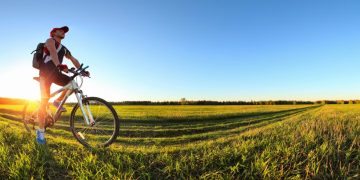








New Zealand, often described as one of the most picturesque countries in the world, is a traveler’s paradise. From its lush rainforests and rugged mountain ranges to its serene lakes and pristine beaches, New Zealand offers a diversity of landscapes that are as awe-inspiring as they are unique. While many visitors rush through the country, ticking off the typical tourist destinations, the true beauty of New Zealand is best experienced slowly. Slow travel—taking the time to truly immerse oneself in the journey—allows travelers to appreciate the finer details of the natural environment, interact with local communities, and cultivate a deeper connection with the destination.
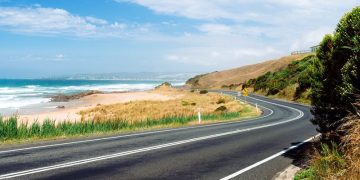
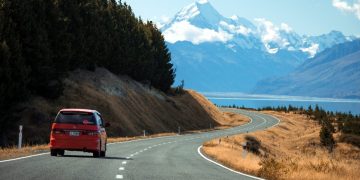
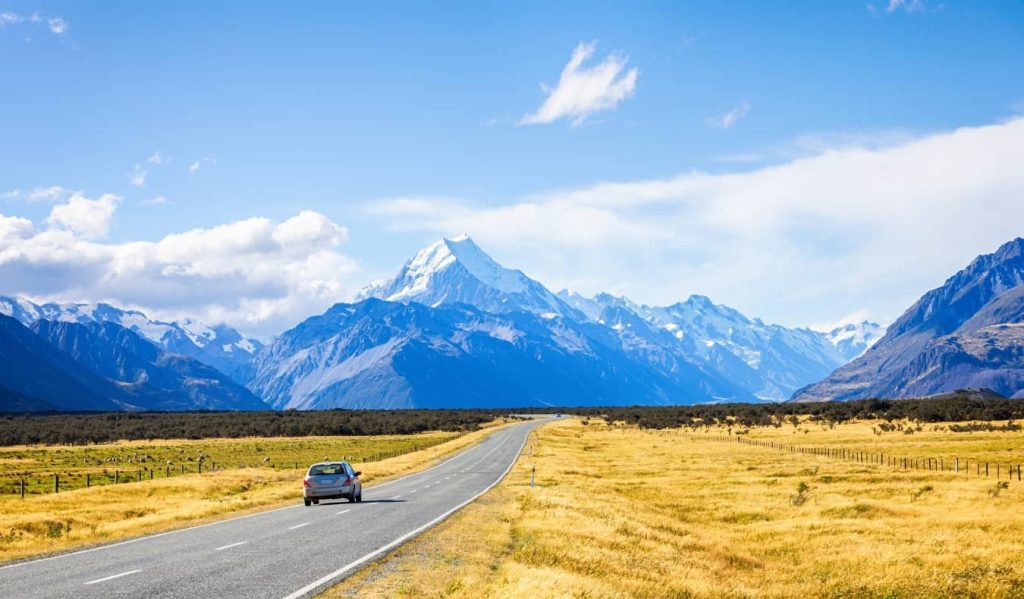
One of the most enjoyable and flexible ways to experience New Zealand’s stunning landscapes is by self-driving. With its well-maintained roads, picturesque routes, and abundant scenic stops, New Zealand is tailor-made for a road trip. This article explores why New Zealand’s diverse natural beauty is perfect for slow travel, focusing on the experience of self-driving through its varied landscapes.
1. Why New Zealand is Ideal for Slow Travel
1.1 A Country of Incredible Diversity
New Zealand’s natural landscapes are astonishing in their variety. The country comprises two main islands, each offering a distinct experience. The North Island is known for its geothermal activity, lush forests, and vibrant Maori culture, while the South Island boasts towering mountains, fjords, glaciers, and expansive plains. Whether you’re interested in exploring dense rainforests, tranquil lakes, golden beaches, or snow-capped peaks, New Zealand has something for everyone.
Self-driving through the country allows travelers to adapt their journey to their interests, stopping at hidden gems that might not be featured in traditional guidebooks. The slow travel philosophy encourages travelers to take their time, allowing for detours, spontaneous exploration, and the ability to stay longer in places that resonate most.
1.2 Embracing the Journey, Not Just the Destination
One of the core principles of slow travel is the idea that the journey itself is just as important as the destination. New Zealand’s natural beauty is perfect for this mindset. While many visitors focus on getting from one tourist hotspot to the next, a slow road trip lets travelers savor the scenic routes and natural wonders along the way. Instead of rushing to check off a list, self-driving allows for moments of quiet reflection, appreciation, and spontaneity.
2. Scenic Drives in New Zealand: A Road Trip Dream
2.1 The Pacific Coast Highway (State Highway 1)
Perhaps one of the most famous drives in New Zealand is State Highway 1, also known as the Pacific Coast Highway. This coastal road stretches the length of the North Island, connecting Auckland to Wellington. As it meanders along the coastline, it offers some of the country’s most spectacular seaside views, from golden beaches to rugged cliffs and vibrant coastal towns.
2.1.1 Scenic Stops Along the Way
- Coromandel Peninsula: Famous for its beautiful beaches and the stunning Cathedral Cove, this region offers a perfect blend of scenic views and outdoor activities.
- Tauranga and Mount Maunganui: A popular spot for beach lovers, this town has the added appeal of Mount Maunganui, a dormant volcano that provides panoramic views of the coastline.
- East Cape: For those interested in history and culture, the East Cape is home to the first place in the world to see the sunrise, and is dotted with Maori villages, historic lighthouses, and quiet beaches.
2.2 The Southern Scenic Route
For those venturing into the South Island, the Southern Scenic Route offers an unforgettable experience. Stretching from Dunedin to Te Anau, this route covers a remarkable variety of landscapes, from rolling farmland to windswept beaches and dramatic fjords.
2.2.1 Highlights Along the Southern Scenic Route
- Catlins Coast: This rugged coastline is known for its dramatic cliffs, waterfalls, and unique wildlife, including sea lions and rare penguins.
- Fiordland National Park: One of New Zealand’s most iconic destinations, Fiordland is home to the breathtaking Milford Sound and Doubtful Sound, both of which can be explored via boat or scenic flights. The route also connects to Te Anau, a tranquil lakeside town perfect for exploring nearby hikes and outdoor activities.
- Invercargill: Often overlooked by travelers, this small city offers a taste of New Zealand’s southern culture and is known for its Southland Museum and historic architecture.
3. Immersing in Nature: Discovering New Zealand’s Landscapes
3.1 The North Island: Volcanic Landscapes and Vibrant Culture
3.1.1 Tongariro National Park
Tongariro National Park, located in the central North Island, is one of the country’s most iconic natural areas. This UNESCO World Heritage site is home to three active volcanoes—Mount Tongariro, Mount Ngauruhoe, and Mount Ruapehu—as well as numerous hiking trails, including the world-famous Tongariro Alpine Crossing. This trek takes visitors through volcanic craters, alpine meadows, and stunning blue lakes, providing an unforgettable experience for nature lovers.
3.1.2 Rotorua: Geothermal Wonders
Rotorua, located in the central North Island, is a hub for geothermal activity. The area is famous for its hot springs, mud pools, and geysers. Visitors can visit Te Puia, a Maori cultural center that offers a chance to explore the geothermal landscape, or take a stroll around Kuirau Park, where the earth literally steams underfoot. Rotorua is also rich in Maori culture, providing visitors with opportunities to learn about traditional customs, crafts, and food.
3.2 The South Island: Majestic Mountains and Fjords
3.2.1 Queenstown: Adventure Capital of the World
Queenstown, located on the South Island, is known for its spectacular alpine scenery and as the adventure capital of New Zealand. Nestled on the shores of Lake Wakatipu and surrounded by the Southern Alps, Queenstown offers everything from skydiving and bungee jumping to wine-tasting tours and leisurely lake cruises. However, even beyond the adrenaline-pumping activities, the drive to Queenstown is a beautiful journey in itself, particularly when approaching the town from the Cromwell region, with its stunning vineyard-covered hills.
3.2.2 Fiordland National Park
Fiordland National Park, located on the southwestern corner of the South Island, is home to some of New Zealand’s most breathtaking landscapes. The park’s fjords, including Milford Sound and Doubtful Sound, are among the most dramatic and beautiful natural wonders in the world. The fjords are carved into the mountains by ancient glaciers, and their towering cliffs, waterfalls, and pristine waters provide unparalleled photo opportunities.
3.3 Less-Known Gems: Off-the-Beaten-Path Destinations
While New Zealand is known for its major tourist spots, the country is also home to lesser-known gems that are best explored on a slow road trip. These quieter areas provide a more authentic experience of New Zealand’s natural beauty.
- Abel Tasman National Park: Located at the top of the South Island, this national park is known for its golden beaches, lush forests, and clear turquoise waters. The Abel Tasman Coast Track is a popular multi-day hike, but visitors can also explore the park by boat or kayak.
- Kaikoura: Famous for its marine life, including whale watching and dolphin encounters, Kaikoura offers travelers the opportunity to experience the Pacific Ocean in its most pristine form.
4. Tips for Slow Travel by Car in New Zealand
4.1 Plan Ahead, But Leave Room for Flexibility
When traveling slowly by car, it’s essential to strike a balance between planning and spontaneity. While it’s helpful to map out key destinations and scenic routes, leave space for unexpected discoveries. You may find hidden gems that are not listed in guidebooks—small towns, secluded beaches, or local attractions that offer a richer, more intimate experience.
4.2 Travel Off-Season
To enjoy a more peaceful and less crowded experience, consider visiting New Zealand during the shoulder seasons—late autumn (April to May) and spring (September to November). During these times, the weather is still pleasant, and the major tourist spots are less crowded, allowing you to take in the natural beauty without the rush.
4.3 Take Advantage of Free Camping
New Zealand is known for its freedom camping opportunities, allowing travelers to camp in scenic, natural settings without needing to pay for campsites. This is an excellent option for those on a slow road trip who want to immerse themselves in nature and save money on accommodation. However, be sure to follow local regulations and camp responsibly.
5. Conclusion: A Slow Road Trip for the Soul
New Zealand’s natural beauty is at its best when experienced slowly. Whether you’re marveling at the volcanic landscapes of the North Island or gazing out over the fjords of the South Island, taking your time on the road allows you to form a deeper connection with the land. Slow travel by car provides the perfect opportunity to immerse yourself in the country’s stunning landscapes, enjoy the freedom to explore at your own pace, and cultivate a sense of mindfulness and appreciation for nature.
So, pack your bags, rent a car, and set off on an unforgettable journey through New Zealand’s diverse landscapes. Whether you’re traveling solo, with friends, or with family, New Zealand is a place that invites exploration and reflection, offering endless possibilities for those who are ready to embrace the slow travel experience.