








Extreme sports and adventure activities, such as mountaineering, scuba diving, and jungle survival, offer exhilarating experiences that challenge both the mind and body. However, these activities also come with inherent risks that require careful planning, preparation, and most importantly, expert guidance. Whether you’re scaling towering peaks, diving into the depths of the ocean, or navigating the unforgiving terrain of dense jungles, professional instructors play a crucial role in ensuring safety and maximizing the enjoyment of the experience.
In this article, we explore why professional guidance is indispensable for extreme adventures. We examine the potential risks involved in mountaineering, scuba diving, and jungle survival, and how trained professionals can mitigate these risks by providing critical knowledge, skill development, and emergency preparedness. By understanding the importance of professional training, adventurers can embark on these challenges with confidence and peace of mind.
1. The Role of Professional Guidance in Adventure Activities
1.1 Ensuring Safety in Extreme Sports
Adventure sports often take individuals out of their comfort zones, pushing their physical and mental limits. This brings excitement, but it also increases the potential for danger. Whether navigating rough mountain paths, diving into unknown underwater landscapes, or surviving in the wilderness, the risks can be significant without proper knowledge and experience.
Professional instructors, equipped with extensive training and real-world experience, can assess the environment and individual capabilities, significantly reducing the likelihood of accidents and injuries. Their expertise ensures that adventurers are properly prepared to handle emergency situations, understand safety protocols, and use specialized equipment correctly.
- Skill Development: Professional instructors teach essential skills that help adventurers manage risks more effectively. From understanding weather patterns in mountaineering to mastering buoyancy control in scuba diving or learning to build shelter in the jungle, each skill learned improves the safety of the participant and those around them.
- Risk Management: A qualified guide not only improves physical safety but also manages risks through proper planning. They ensure that adventurers are equipped with the right gear, follow the safest routes, and avoid dangerous areas. Guides are trained to assess weather conditions, read terrain, and make adjustments to avoid potential hazards.
2. Mountaineering: Conquering the Heights with Professional Guidance
2.1 The Challenges of Mountaineering
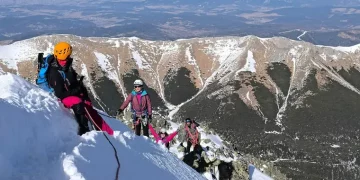
Mountaineering is a demanding activity that requires not just physical stamina but also deep knowledge of mountain terrain, weather conditions, and climbing techniques. The mountains, while awe-inspiring, can be treacherous. Hidden crevasses, sudden weather changes, and unpredictable conditions can create life-threatening situations for even the most experienced climbers.
For those unfamiliar with mountaineering or attempting their first high-altitude adventure, professional guidance is essential for both safety and success.
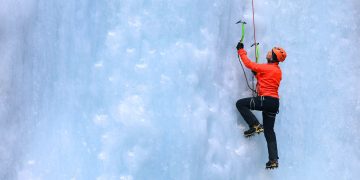
- Navigating Technical Terrain: Professional guides possess the technical skills needed to navigate rocky cliffs, glaciers, and ice-covered surfaces. They are trained in roping techniques, crevasse rescue, and avalanche awareness, ensuring that climbers avoid dangers and are prepared in the event of an emergency.
- Weather Forecasting: The weather in mountainous regions can change rapidly, creating hazardous conditions. Professional guides are experienced in understanding weather patterns and mountain microclimates. They know when it’s safe to ascend and when it’s better to turn back, preventing climbers from being caught in dangerous storms or extreme temperatures.
- Altitude Sickness Prevention: One of the primary dangers of high-altitude mountaineering is altitude sickness. Symptoms such as headaches, nausea, dizziness, and shortness of breath can be serious. Professional guides monitor the health of climbers closely, ensuring they adjust their pace to allow for proper acclimatization to higher altitudes, reducing the risk of altitude sickness.
2.2 How Professional Guidance Enhances the Mountaineering Experience
The right guide not only provides safety but also enhances the overall mountaineering experience. Their local knowledge, cultural insights, and expertise offer a deeper connection to the environment and culture of the area. With a professional guide, climbers have access to the best routes, hidden spots, and memorable experiences that they may not have encountered on their own.
3. Scuba Diving: Exploring the Depths Safely with Expert Instruction
3.1 The Challenges of Scuba Diving
Scuba diving is one of the most popular adventure activities in the world, offering the opportunity to explore vibrant underwater ecosystems and fascinating marine life. However, it also presents significant risks if not practiced with the right knowledge and skills.
Diving into the ocean involves navigating underwater currents, pressure changes, and visibility challenges, all of which require professional training to handle effectively.
- Pressure and Depth Awareness: As divers descend into deeper waters, they are subject to increased pressure, which can affect the body in various ways. Without proper training, divers risk decompression sickness, nitrogen narcosis, or lung injuries. Professional diving instructors teach divers how to manage depth, monitor air supply, and perform controlled ascents to avoid these issues.
- Marine Life Safety: While the ocean is home to incredible marine life, it also contains creatures that can pose a threat to divers. Professional instructors teach how to handle encounters with potentially dangerous marine life, such as jellyfish, sharks, and barracudas, while emphasizing respect for the delicate marine ecosystem.
- Emergency Preparedness: Scuba diving, like other extreme sports, requires readiness for emergencies. Professional instructors provide comprehensive training on emergency procedures, such as air supply failure, buddy breathing, and lost diver recovery. With professional guidance, divers can approach these scenarios with confidence and skill.
3.2 Enhancing the Diving Experience with a Guide
While safety is paramount, a diving guide also enriches the experience by offering local knowledge of the marine environment and hidden dive sites. Whether exploring coral reefs, shipwrecks, or underwater caves, professional guides offer a safe and memorable dive, ensuring divers get the most out of their experience.
4. Jungle Survival: Mastering the Wilderness with Expert Training
4.1 The Risks of Jungle Survival
Surviving in the jungle requires a completely different set of skills compared to other outdoor adventures. Dense vegetation, unpredictable weather, and dangerous wildlife present unique challenges to those attempting to survive in the wilderness. The difference between success and failure often lies in the guidance of a skilled survival instructor.
- Navigating the Terrain: Jungle environments are often dense, wet, and difficult to navigate. Professional survival instructors teach techniques for moving through thick foliage, finding safe routes, and using the landscape to one’s advantage. They also ensure that adventurers understand how to avoid potential dangers such as venomous snakes, insects, and predators.
- Finding Water and Food: In the jungle, water and food sources are crucial to survival. A survival guide teaches how to find clean water sources, purify water, and identify edible plants and animals. This knowledge can make the difference between life and death in a survival situation.
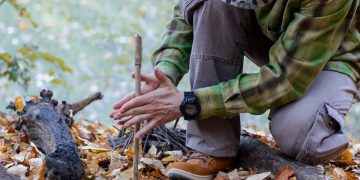
- Shelter Building and Fire Making: Professional guides provide instruction on building shelters and starting fires in challenging environments. These are essential survival skills, particularly when faced with adverse weather conditions or during an extended stay in the wilderness.
4.2 Gaining Confidence and Independence
While professional guidance is critical in dangerous and unpredictable environments, it also serves to empower participants. A trained instructor can teach self-sufficiency and survival skills that can be used in future outdoor adventures. With professional training, adventurers gain the confidence to handle unexpected challenges independently, while still relying on their guides for safety in extreme situations.
5. Conclusion: The Value of Expert Guidance in Extreme Adventures
The world of adventure sports and extreme activities is full of excitement, challenge, and personal growth. However, without professional guidance, the risks involved can be significant. Whether climbing a mountain, diving into the ocean, or surviving in the jungle, expert instructors play an essential role in ensuring safety, reducing risks, and enriching the overall experience.
Professional guides not only teach vital survival skills but also provide valuable insights, local knowledge, and emotional support, enabling adventurers to fully immerse themselves in the experience while staying safe. The safety, confidence, and fulfillment that come from expert instruction allow adventurers to focus on the joy of the journey, making extreme activities not only more enjoyable but also life-changing.