








In a world dominated by urbanization, industrialization, and mass tourism, there remain pockets of the Earth where nature continues to thrive in its most pristine form. These untouched natural wonders—remote forests, towering mountains, isolated islands, and hidden waterfalls—are not merely scenic backdrops; they are living ecosystems, reservoirs of biodiversity, and sources of inspiration for those who seek authenticity and connection with the natural world. Unlike popular tourist attractions that are often overcrowded and commercialized, these unspoiled landscapes offer an immersive, intimate, and often transformative experience.
This article explores the significance of untouched natural sites, the challenges and importance of preserving them, and the experiences they offer to adventurous travelers. By analyzing ecological, geological, and cultural aspects, this discussion highlights why pristine landscapes remain some of the most awe-inspiring destinations on the planet and why they deserve both admiration and protection.
The Allure of Untouched Natural Landscapes
Pristine landscapes captivate the human imagination because they evoke a sense of wonder, freedom, and connection to the planet. Unlike heavily visited tourist destinations, where the natural environment is modified to accommodate visitors, untouched areas maintain their ecological integrity, allowing one to experience nature as it has existed for millennia. The appeal of such landscapes can be understood in several dimensions:
1. Visual and Sensory Majesty
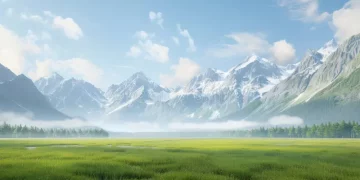
Pristine natural environments often present dramatic and unspoiled vistas—towering cliffs, crystal-clear lakes, dense forests, and cascading waterfalls. The absence of human infrastructure allows the eye to wander across uninterrupted panoramas, enhancing the sense of scale and grandeur. The sensory experience is equally profound: the scent of unspoiled forests, the sound of untouched rivers, and the feel of natural elements create a deep immersion that is difficult to replicate in managed parks or tourist resorts.
2. Biodiversity and Ecological Richness
Many untouched regions serve as habitats for species rarely seen elsewhere. Remote rainforests, alpine meadows, and isolated islands host endemic plants and animals, forming ecosystems that have evolved over millennia without human interference. Observing these species in their natural environment offers a rare educational opportunity and fosters appreciation for the delicate balance of life on Earth. From the elusive snow leopard in Central Asia to rare orchids in the Amazon, these species exemplify the richness and complexity of unspoiled ecosystems.
3. Spiritual and Emotional Resonance
For countless travelers, encountering untouched landscapes evokes profound emotions. The solitude and raw beauty of such environments often inspire reflection, introspection, and a sense of interconnectedness with the planet. Philosophers, writers, and artists have long sought inspiration from nature’s untouched corners, and many modern travelers experience similar effects, reporting feelings of awe, humility, and renewal when surrounded by pristine wilderness.
Examples of Untouched Natural Wonders
While human presence increasingly encroaches upon the Earth, numerous natural wonders remain largely untouched by tourism. Some of these locations exemplify the diversity, majesty, and ecological significance of pristine landscapes.
1. Remote Forests and Jungles
- The Amazon Rainforest: Despite its global fame, vast portions of the Amazon remain inaccessible and undisturbed. These areas host an unparalleled concentration of biodiversity, including countless plant species, birds, insects, and mammals. Travel here often requires careful planning, guided expeditions, and a commitment to sustainable practices.
- The Daintree Rainforest, Australia: One of the oldest rainforests on the planet, Daintree offers visitors the chance to encounter unique flora and fauna while experiencing an environment largely untouched by development. Its dense canopy, moss-covered trees, and crystal-clear streams exemplify the beauty of unaltered forests.
2. Remote Mountains and Alpine Regions
- The Himalayas: While certain trekking routes have become popular, many valleys and high-altitude regions remain secluded, offering hikers panoramic vistas and encounters with traditional local communities untouched by mass tourism.
- Patagonia, Argentina and Chile: Known for its dramatic mountains, glaciers, and fjords, Patagonia’s remote regions provide unparalleled opportunities for solitude and natural exploration. Visitors can traverse expansive wilderness areas where human presence is minimal.
3. Isolated Islands and Coastal Regions
- The Faroe Islands: These North Atlantic islands combine rugged cliffs, waterfalls, and small, scattered villages. Many areas remain untouched by large-scale tourism, offering a sense of remoteness and cultural authenticity.
- Socotra, Yemen: Often described as “the most alien-looking place on Earth,” Socotra hosts endemic plant species and unique landscapes that have remained largely unaffected by human development.
4. Hidden Waterfalls, Caves, and Geological Wonders
- Plitvice Lakes National Park, Croatia (offbeat areas): While the main park attracts tourists, nearby untouched caves and rivers offer an experience of geological and hydrological beauty in relative solitude.
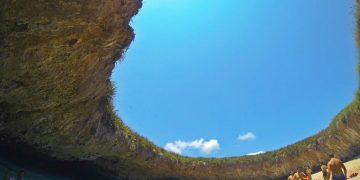
- Cenotes in Mexico: Many cenotes remain isolated, providing crystal-clear waters, unique geological formations, and habitats for rare aquatic species.
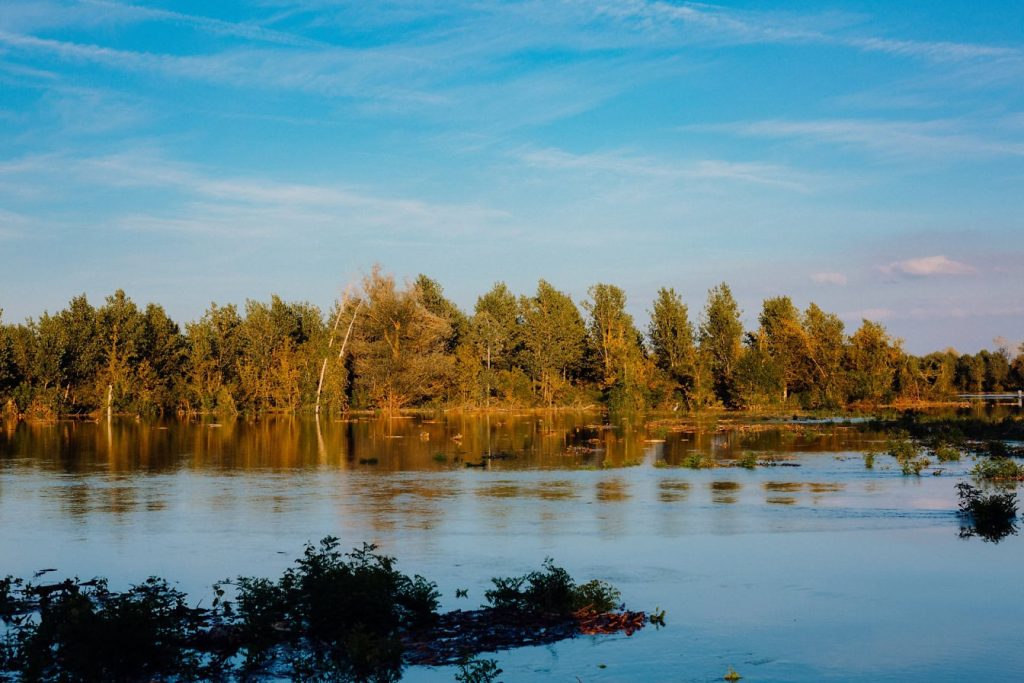
The Importance of Preserving Untouched Natural Landscapes
The preservation of pristine landscapes is crucial, not only for their aesthetic and recreational value but also for ecological, scientific, and cultural reasons. As human activity continues to expand, the threats to these areas become increasingly significant.
1. Biodiversity Conservation
Pristine environments provide habitats for countless species that may be rare, endangered, or endemic. Preserving these areas ensures the survival of these species and maintains ecological balance. Loss of such habitats can lead to extinction events, disruption of food chains, and reduction of ecosystem services essential to human life.
2. Climate Regulation
Forests, wetlands, and other natural landscapes play a critical role in regulating climate. They act as carbon sinks, influence local weather patterns, and support the water cycle. Untouched landscapes maintain these ecological processes more effectively than developed or heavily trafficked areas, contributing to global environmental stability.
3. Scientific Research and Education
Pristine ecosystems serve as living laboratories for scientific study. Researchers can study evolution, species interactions, and ecological processes in environments minimally influenced by humans. These studies provide insights into conservation strategies, climate adaptation, and sustainable resource management.
4. Cultural and Spiritual Significance
Many indigenous communities and traditional societies inhabit or interact with pristine landscapes. Preserving these areas supports the continuation of cultural practices, spiritual traditions, and ancestral knowledge tied to natural environments. Respecting these connections enhances both cultural preservation and ecological stewardship.
Responsible Travel to Untouched Natural Areas
Exploring untouched landscapes requires a commitment to responsible travel. While the desire for adventure and discovery is strong, travelers must balance curiosity with respect for fragile ecosystems.
1. Minimize Environmental Impact
Travelers should adhere to Leave No Trace principles, avoiding littering, minimizing trail erosion, and refraining from disturbing wildlife. Small actions, such as carrying reusable water bottles, staying on designated paths, and avoiding single-use plastics, contribute to the protection of these environments.
2. Support Local Communities
Engaging with local communities ensures that travel benefits the people who live in or near pristine areas. Using local guides, staying in locally owned accommodations, and purchasing artisan products helps sustain livelihoods while promoting cultural exchange.
3. Prepare for Remote Travel
Untouched landscapes often lack modern infrastructure. Travelers should prepare adequately, ensuring proper equipment, navigation tools, and safety knowledge. Understanding local regulations, weather patterns, and environmental conditions is essential for both safety and minimizing ecological impact.
4. Promote Conservation Awareness
Travelers can amplify the value of pristine landscapes by sharing knowledge, raising awareness, and advocating for conservation. Responsible storytelling—through photography, writing, or social media—can inspire others to appreciate and protect natural wonders without overwhelming them with visitor traffic.
The Transformative Experience of Untouched Nature
Beyond their aesthetic and ecological importance, untouched landscapes offer transformative experiences for travelers. Immersion in pristine environments can foster:
- Mindfulness and Presence: The tranquility of untouched nature encourages introspection, meditation, and mental clarity. Without urban distractions, travelers can reconnect with their own senses and thoughts.
- Perspective on Human Life: Witnessing landscapes that have existed for millennia instills humility and a broader perspective on human existence. It highlights the resilience and fragility of natural systems, reminding travelers of their place in the global ecosystem.
- Inspiration and Creativity: Artists, writers, and thinkers often draw inspiration from pristine environments. The solitude, beauty, and complexity of untouched landscapes stimulate imagination and creative thinking.
Conclusion: Cherishing and Protecting Untouched Landscapes
The Earth still harbors natural wonders that remain largely untouched by human presence. These pristine landscapes, whether forests, mountains, islands, or waterfalls, offer breathtaking beauty, ecological richness, and profound personal experiences. They are treasures not only for the travelers who encounter them but also for the planet and future generations.
Preserving these areas requires responsible travel, sustainable practices, and global awareness of their ecological and cultural value. For those seeking awe-inspiring scenery, transformative experiences, and a deeper connection with nature, untouched landscapes remain the ultimate destination. By approaching these environments with respect, curiosity, and mindfulness, travelers can ensure that these wonders remain breathtaking, unspoiled, and accessible for generations to come.