









Introduction: Beyond the Physical Act of Traveling
For many, travel is first and foremost a physical act—a journey from one place to another, often motivated by curiosity, leisure, or work. However, beneath the surface of sightseeing and itineraries lies a deeper, more profound aspect: spiritual awakening. Travel has the unique capacity to awaken the mind, enrich the soul, and transform one’s understanding of self and the world.
Spiritual awakening through travel is not confined to religious or mystical experiences; it is an experiential process that fosters introspection, empathy, and personal transformation. This article explores the multifaceted ways in which travel acts as a catalyst for spiritual growth, emphasizing psychological, philosophical, and experiential perspectives.
1. The Intersection of Travel and Spirituality
1.1 Travel as a Catalyst for Self-Reflection
One of the most compelling aspects of travel is its ability to remove individuals from familiar routines, social pressures, and environmental triggers. This physical displacement creates the psychological space for reflection and self-inquiry. In unfamiliar environments, travelers confront themselves in new ways, challenging long-held beliefs, habits, and assumptions.
Research in environmental psychology suggests that novel experiences stimulate cognitive flexibility, enabling individuals to re-evaluate their priorities, values, and life goals. Whether it’s walking along a remote trail, navigating a bustling foreign city, or observing cultural rituals, travel immerses individuals in environments that encourage mindful presence, leading to deeper understanding and spiritual insight.
1.2 The Role of Cultural Immersion
Immersion in foreign cultures is another pathway to spiritual awakening. Exposure to different belief systems, traditions, and ways of living invites travelers to question their own assumptions and broaden their worldview. Cultural immersion fosters empathy, helping individuals see life through diverse lenses and develop a deeper appreciation for human interconnectedness.
For instance, participating in a traditional ceremony in Bali, engaging with local artisans in Morocco, or volunteering in a rural community in Peru can awaken a profound sense of shared humanity. This awareness often leads to self-transcendence, where individuals experience a shift from self-centered perspectives to a more holistic understanding of life and society.
2. The Psychological and Emotional Dimensions of Travel
2.1 Travel as a Trigger for Emotional Transformation
Travel often elicits strong emotional responses. Awe, wonder, and even fear are common when encountering natural wonders, historical landmarks, or unfamiliar landscapes. Psychological studies suggest that experiencing awe can promote self-transcendence, increase prosocial behavior, and reduce preoccupation with material concerns.
These emotional experiences often act as catalysts for inner growth, prompting travelers to confront fears, embrace uncertainty, and expand their comfort zones. The challenges of travel—navigating unfamiliar cities, overcoming language barriers, or adapting to new cultural norms—teach resilience and patience, qualities that resonate with spiritual maturity.
2.2 Mindfulness and the Art of Being Present
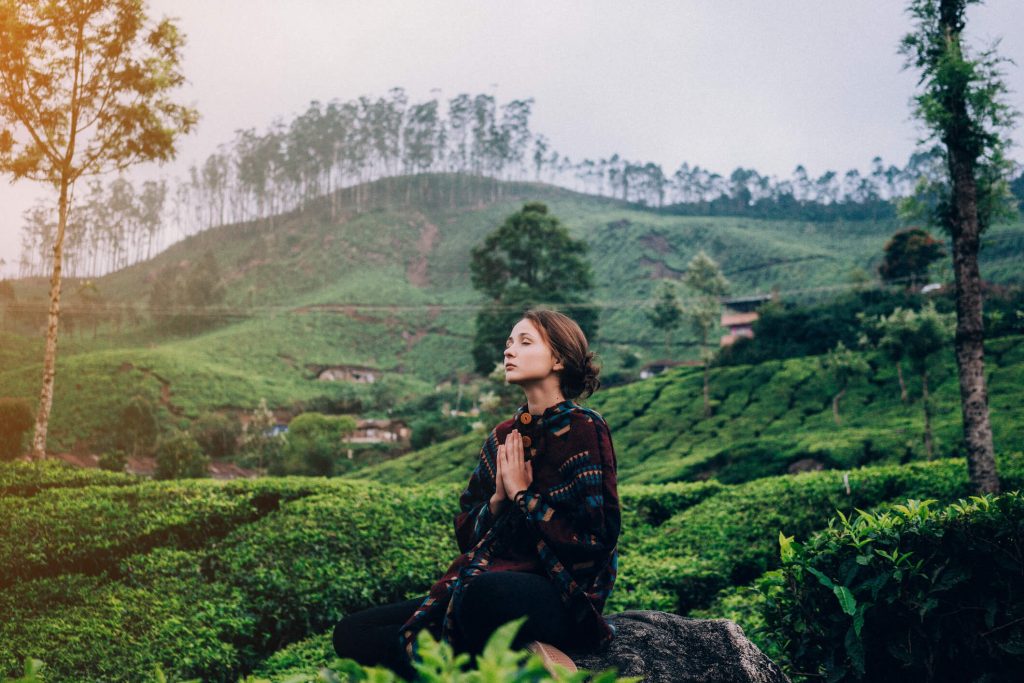
Spiritual awakening through travel is closely tied to mindfulness, the conscious practice of being fully present in the moment. In travel, moments of mindfulness occur naturally: gazing at a sunset over the Himalayas, walking barefoot on a beach in Thailand, or meditating in a quiet temple. These experiences cultivate heightened awareness, a sense of gratitude, and a deeper connection to one’s inner self.
Mindfulness also enhances travelers’ ability to perceive the sacred in everyday life. It shifts the focus from mere sightseeing to experiencing the essence of a place—the rhythm of its streets, the cadence of local languages, the textures of its landscapes. This attentive awareness forms the foundation of spiritual growth.
3. Nature as a Medium for Spiritual Awakening
3.1 The Healing Power of Natural Landscapes
Nature has long been recognized as a conduit for spiritual experiences. The tranquility of mountains, the vastness of deserts, the serenity of oceans, and the rhythm of forests can evoke a profound sense of connection and wonder. According to ecopsychology, humans have an innate need to connect with nature, and this connection is essential for mental and emotional well-being.
Traveling through natural landscapes provides opportunities for solitude and reflection, allowing travelers to disengage from societal distractions and reconnect with their authentic selves. Hiking a remote trail, camping under a starry sky, or kayaking through a pristine river can inspire awe and humility, fostering a sense of belonging to the greater tapestry of life.
3.2 Adventure and the Confrontation with Fear
Outdoor adventures—climbing mountains, diving into the ocean, or trekking through dense forests—often confront travelers with fear and uncertainty. Facing these challenges not only builds physical and mental resilience but also encourages spiritual courage. The act of overcoming fear through engagement with the natural world often results in a renewed sense of confidence, clarity, and inner peace.
Adventure, in this sense, becomes both a metaphor and a practice: navigating physical challenges mirrors the inner journey of confronting personal limitations and expanding one’s spiritual awareness.
4. Transformative Encounters and Human Connection
4.1 Learning from Local Communities
One of the most transformative aspects of travel is the opportunity to interact with local communities. Engaging with people whose lives differ radically from one’s own exposes travelers to new values, perspectives, and life philosophies. These encounters can ignite profound reflection on one’s own life choices, ethical priorities, and sense of purpose.
For instance, spending time with nomadic communities in Mongolia, participating in local festivals in India, or volunteering in African villages often encourages travelers to appreciate simplicity, resilience, and interdependence. These lessons often linger long after the journey ends, reshaping one’s worldview and daily practices.
4.2 The Role of Solitude in Spiritual Growth
Solitude is another critical factor in spiritual awakening during travel. Moments of solitude—whether on a quiet beach, atop a mountain, or in a secluded temple—provide space for deep introspection. In these moments, travelers confront their innermost thoughts, desires, and fears, fostering self-awareness and self-compassion.
Solitude during travel is not loneliness; it is a deliberate engagement with oneself. It allows individuals to process experiences, integrate insights, and cultivate a sense of inner peace and clarity that is often elusive in everyday life.
5. The Philosophical Dimensions of Travel
5.1 Travel as a Journey of Self-Discovery
Philosophically, travel has long been considered a vehicle for self-discovery. Writers and thinkers from Herodotus to Thoreau have emphasized that the journey outward is inseparable from the journey inward. Each destination, challenge, and encounter on the road reflects aspects of the traveler’s own inner world.
By encountering the unfamiliar, travelers confront the unknown within themselves—hidden fears, unacknowledged passions, and latent potential. Travel becomes a mirror, revealing truths that are often obscured by routine and familiarity.
5.2 Travel and the Expansion of Consciousness
Travel also expands consciousness by challenging assumptions, broadening perspectives, and fostering interconnectedness. Exposure to new ideas, cultures, and ways of living encourages travelers to rethink societal norms, question ingrained beliefs, and cultivate a more inclusive and compassionate worldview.
In essence, spiritual awakening through travel is an expansion of consciousness—a process in which travelers move from a limited, self-centered perspective toward a more holistic, integrated understanding of life.
6. Practical Steps to Foster Spiritual Awakening Through Travel
- Travel with Intention: Define personal goals for self-reflection, growth, or learning before embarking on a trip.
- Embrace Silence and Solitude: Spend time alone in natural or sacred spaces to cultivate introspection.
- Engage Mindfully: Practice mindfulness in every activity—observe details, listen attentively, and savor moments.
- Seek Cultural Immersion: Learn from local communities through interaction, volunteering, or participation in traditions.
- Document Your Journey: Keep a journal or blog to reflect on experiences and insights gained.
- Challenge Yourself: Engage in activities that push physical or emotional boundaries to foster courage and resilience.
7. Case Studies: Travelers Who Experienced Spiritual Transformation
7.1 The Backpacker’s Revelation
A solo traveler exploring Southeast Asia discovered a profound shift in perspective after volunteering in a rural village. Exposure to the simplicity of village life and the resilience of the community prompted a reevaluation of personal priorities, leading to a career change focused on sustainable development.
7.2 The Mountain Trekker’s Insight
A mountaineer scaling the peaks of the Andes reported a transformative experience of awe and humility. Confronting physical limitations in an extreme environment created a deep sense of interconnectedness with nature, sparking a lifelong commitment to environmental conservation.
7.3 The Cultural Immersion Journey
Travelers who spent months studying in foreign cultures often experience shifts in values, ethics, and personal identity. By engaging deeply with local traditions, they report increased empathy, tolerance, and openness to new ways of living.
Conclusion: Travel as a Spiritual Practice
Travel is more than sightseeing, collecting memories, or fulfilling a checklist of destinations. When approached mindfully, travel becomes a spiritual practice, an opportunity for personal growth, self-reflection, and awakening. Through engagement with nature, cultures, and oneself, travelers gain insight into the interconnectedness of life, the impermanence of experience, and the boundless potential of the human spirit.
Ultimately, the most profound journeys are those that transform the traveler from within, leaving lasting imprints on the mind, heart, and soul. Travel is, in essence, a path to spiritual enlightenment, where each step in the world is simultaneously a step inward.