







Introduction
In a rapidly evolving world, the idea of transformation has become more central to our lives than ever before. Technology, environmental concerns, global health crises, and shifting cultural norms have all catalyzed profound changes in how we live, work, and interact with the world. These transformations are not just external; they are deeply personal, affecting our values, behaviors, and expectations for the future.
The concept of a “new lifestyle” has emerged as individuals, communities, and societies strive to adapt to a world characterized by uncertainty, change, and opportunity. This article delves into the ongoing transformations that are shaping new ways of living, focusing on how individuals are redefining success, well-being, and sustainability in the face of these challenges. From the rise of digital nomadism to the growing focus on mental health and sustainable practices, we will explore the many facets of lifestyle transformation and how they are influencing personal and collective growth.
The Forces Driving Lifestyle Transformation
Several key forces are driving the transformation of lifestyles across the globe. These forces intersect with each other, creating a complex landscape of change that individuals and communities must navigate.
1. Technological Advancements
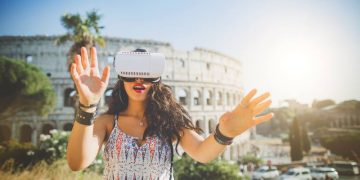
The digital revolution has profoundly altered every aspect of our lives, from the way we work to how we interact with others. The rise of artificial intelligence, automation, the Internet of Things (IoT), and virtual reality has opened up new opportunities but also created challenges.
- Work and Employment: The way we work has been fundamentally reshaped by technology. Remote work, freelancing, and the gig economy are now mainstream, allowing individuals to break free from traditional office environments and craft personalized work schedules.
- Social Interaction: Social media, messaging apps, and video conferencing have transformed how we connect with family, friends, and colleagues, enabling global connectivity but also raising questions about the quality and depth of relationships.
- Technology and Health: The emergence of health and wellness apps, wearable devices, and telemedicine has made healthcare more accessible while empowering individuals to take control of their health through personalized data.
2. Environmental Sustainability
As climate change accelerates and the need for sustainable practices becomes increasingly urgent, many people are rethinking their lifestyles in favor of eco-conscious choices. This transformation has given rise to new attitudes toward consumption, transportation, energy use, and waste management.
- Sustainable Consumption: The trend toward minimalism, zero waste, and eco-friendly products is gaining momentum. People are becoming more mindful of their consumption habits, opting for sustainable alternatives like reusable bags, electric vehicles, and locally sourced food.
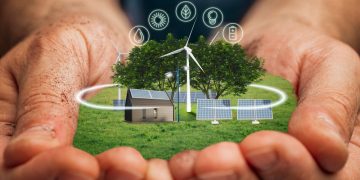
- Eco-Conscious Living: Energy-efficient homes, solar panels, and sustainable building materials are becoming more common as people strive to reduce their carbon footprint. Urban farming, plant-based diets, and regenerative agriculture are all part of this movement toward a greener lifestyle.
- Conservation and Preservation: The importance of preserving natural resources, protecting biodiversity, and promoting conservation efforts has led to the rise of eco-tourism, green business practices, and environmental activism.
3. Health and Well-Being
The focus on mental and physical health has shifted dramatically in recent years. The global pandemic further highlighted the importance of well-being, and people are now more conscious of maintaining a balanced lifestyle.
- Mental Health Awareness: As the stigma surrounding mental health issues decreases, more individuals are seeking therapy, mindfulness practices, and self-care routines to cope with stress, anxiety, and depression. The emphasis on mental health has also led to a growing interest in meditation, journaling, and digital detox.
- Physical Wellness: Fitness routines, nutrition, and self-care have moved beyond gym memberships to encompass holistic practices. Yoga, mindfulness-based stress reduction (MBSR), and other integrative approaches to well-being are now part of mainstream culture.
- Work-Life Balance: The notion of work-life balance has evolved, with many people seeking jobs that allow for more flexibility and time for personal pursuits, family, and hobbies. Remote work, flexible hours, and mental health days are becoming a standard part of many workplace cultures.
4. Cultural Shifts and Social Change
Cultural and societal norms are constantly evolving. Increasingly, individuals are prioritizing personal fulfillment over traditional markers of success, such as accumulating wealth or achieving status. This shift in values is creating new forms of identity and community.
- Redefining Success: Success is no longer defined solely by career achievements or financial status. People are increasingly valuing experiences, relationships, and personal growth over material possessions. This has led to the rise of experiential travel, volunteering, and purpose-driven work.
- Community and Belonging: Social media and global connectivity have made it easier for people to find like-minded communities, regardless of geographic location. These virtual and physical communities are built on shared interests, values, and goals, from sustainability to social justice.
- Gender and Identity: There is also a growing recognition of diverse gender identities and sexual orientations. As societal norms shift toward greater inclusivity, people are embracing new forms of identity that reflect their true selves.
Key Aspects of New Lifestyles
As individuals embrace transformation in response to the world around them, new lifestyles are emerging that reflect changing priorities, values, and practices. Below are some of the most prominent aspects of these evolving lifestyles:
1. Sustainability in Daily Life
Living sustainably is no longer an alternative lifestyle; it has become a mainstream practice. People are making more intentional choices to minimize their environmental impact and align their daily habits with their values.
- Green Building and Eco-Friendly Homes: From energy-efficient appliances to sustainable building materials, eco-conscious individuals are designing homes that reduce energy consumption and carbon emissions. Concepts like passive houses, tiny homes, and zero-energy buildings are gaining popularity as people prioritize sustainability in their living spaces.
- Minimalism and Decluttering: Minimalism is a lifestyle choice that emphasizes living with fewer possessions and focusing on what truly adds value to life. This approach reduces waste, encourages mindfulness, and fosters a deeper appreciation for experiences over material goods.
- Sustainable Food Choices: Plant-based diets, locally grown food, and reduced food waste are all part of a growing movement toward sustainable eating. More people are adopting vegetarian, vegan, or flexitarian diets to reduce their environmental footprint and improve their health.
2. Digital and Remote Work
The shift to digital and remote work has been one of the most significant lifestyle transformations in recent years. The COVID-19 pandemic accelerated this trend, with many companies shifting to flexible work models.
- The Digital Nomad Lifestyle: Digital nomadism—the ability to work remotely while traveling—is a lifestyle choice that allows individuals to live and work from anywhere in the world. This movement is supported by advances in technology, which allow people to stay connected and productive no matter their location.
- Work-Life Integration: The traditional work-life balance is being replaced by work-life integration, where personal and professional lives are more fluid. This allows individuals to create schedules that work for them, rather than adhering to a rigid 9-to-5 routine.
- Freelancing and the Gig Economy: Many people are moving away from traditional employment to pursue freelancing, entrepreneurship, or gig economy jobs. This offers greater flexibility, autonomy, and the potential for diverse work experiences.
3. Mental and Emotional Health
A shift toward holistic well-being is reshaping how people approach mental and emotional health. A focus on mental clarity, self-awareness, and emotional regulation has led to the development of new practices and habits.
- Mindfulness and Meditation: Practices like mindfulness meditation, yoga, and breathing exercises are becoming central to how people manage stress and stay grounded. These practices are rooted in ancient traditions but have gained widespread popularity due to their tangible benefits for mental health.
- Emotional Intelligence and Self-Awareness: As people become more in tune with their emotions, there is an increased focus on developing emotional intelligence (EQ). This involves understanding one’s emotions, empathizing with others, and managing emotional reactions in a healthy way.
- Therapeutic Approaches: Therapy and counseling are no longer stigmatized but rather seen as essential tools for personal growth. People are increasingly engaging in individual and group therapy, as well as exploring alternative healing practices like sound therapy, aromatherapy, and energy healing.
4. Alternative Education and Lifelong Learning
As the world changes, so too does the way we approach education. Traditional educational models are being challenged by alternative forms of learning that emphasize creativity, critical thinking, and continuous development.
- Online Learning and Self-Education: With the rise of online platforms and courses, learning has become more accessible and flexible. People are no longer confined to formal institutions but can pursue self-directed education in subjects that interest them, from coding to art to environmental sustainability.
- Lifelong Learning and Skills Development: The rapid pace of technological advancement means that the need for continuous skills development has never been greater. Many people are embracing lifelong learning, regularly upgrading their skills through workshops, online courses, or practical experience.
Challenges in Embracing New Lifestyles
Despite the many benefits of lifestyle transformation, there are several challenges that individuals may face:
- Overcoming Resistance to Change: Transitioning to a new lifestyle often involves stepping outside of comfort zones and breaking old habits. This can be difficult, especially when faced with societal pressures or personal doubts.
- Navigating Economic and Social Barriers: Adopting sustainable, minimalist, or remote working lifestyles may require significant financial investment or access to certain resources, which not everyone has.
- Balancing Idealism with Practicality: While it is important to strive for a more sustainable and fulfilling lifestyle, it is also crucial to recognize that change takes time and effort. Striving for perfection can sometimes hinder progress, and it is important to approach transformation with flexibility and patience.
Conclusion
The ongoing transformation of lifestyles is a response to the rapid changes and challenges of the modern world. From the rise of sustainability practices and digital nomadism to the increasing importance of mental health and alternative education, the way we live is shifting toward more conscious, flexible, and fulfilling ways of being.
Embracing these new lifestyles requires adaptability, openness, and a commitment to personal and collective growth. By navigating these transformations thoughtfully, we can create a future where individuals are not only more connected to themselves and others but are also empowered to live more sustainably, mindfully, and authentically.