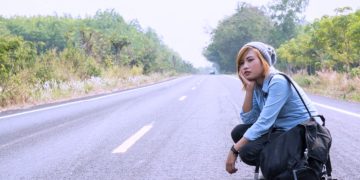









In a world that is rapidly becoming interconnected, travel has transcended its role as merely a leisure activity. Over the last few decades, people have increasingly turned to travel as a way to challenge their beliefs, expand their horizons, and evolve as individuals. Whether it’s exploring the bustling streets of an unfamiliar city or immersing oneself in the serenity of remote landscapes, travel has the power to shift perspectives, alter attitudes, and influence how we view ourselves and the world around us.
The mindset shift that accompanies travel is not just about gaining new experiences or ticking off items on a bucket list. It’s about a transformation—often subtle, sometimes profound—that influences the way we think, relate to others, and perceive the world. This article will delve into the psychological, emotional, and cultural shifts that occur during travel and how they contribute to personal growth, empathy, and self-awareness.
1. The Psychology of Travel: Why We Change
1.1 The Role of Novelty in Shaping Mindset
Human beings are naturally drawn to the novelty—the unfamiliar, the unknown. Psychologically, exposure to new environments forces our brains to adapt and reframe previous knowledge and beliefs. This concept is often referred to as cognitive flexibility, which is the ability of the brain to alter its thinking in response to new experiences. Traveling exposes us to different cultures, languages, customs, and ways of life, encouraging us to question preconceived notions and embrace uncertainty.
The mental shift is immediate. When faced with a new language or unfamiliar social etiquette, we cannot rely on our old patterns of thinking. This disruption of routine triggers neuroplasticity, the brain’s ability to form new neural connections. This means that the more we travel and expose ourselves to diverse environments, the more our brain becomes adept at adapting to change and developing a more open-minded perspective.
1.2 Stepping Outside Comfort Zones
At the heart of travel lies the concept of stepping outside our comfort zones. It’s no secret that growth happens when we push our boundaries, and travel often provides the perfect environment for this. For many, leaving the comfort and familiarity of home—whether for a short weekend trip or a yearlong journey—provokes feelings of discomfort, uncertainty, and vulnerability.
However, it is precisely this discomfort that fosters personal growth. The challenge of navigating unfamiliar places, interacting with people whose cultures differ from our own, and adapting to a variety of new situations encourages a shift in mindset. It allows us to develop resilience, confidence, and problem-solving skills that might have remained dormant in more predictable environments.
1.3 Travel as a Catalyst for Self-Discovery
Many travelers describe their journeys as a form of self-discovery. It’s not uncommon for people to return from a trip with a new sense of purpose, clarity, and understanding of themselves. Travel offers a break from the daily routine, giving people the space to reflect on their lives, their choices, and their priorities. The freedom and novelty of being in a foreign place allow us to detach from the familiar pressures of home, often resulting in cathartic realizations.
The act of exploring new cultures can challenge us to think about our own beliefs and assumptions. Through direct exposure to different ways of life, travel encourages a re-evaluation of what we consider to be “normal” or “acceptable,” helping us identify and shed unconscious biases. It’s in these moments of self-reflection that many travelers undergo their most profound mindset shifts.
2. Travel and the Development of Empathy
2.1 Exposure to Diverse Cultures
One of the most profound effects of travel is the development of empathy. By engaging with people from diverse cultures, travelers often gain a deeper understanding of others’ experiences, challenges, and aspirations. Immersing oneself in a different culture can challenge stereotypes and prejudices, opening the door to genuine human connection.
In a multicultural society, it’s easy to fall into the trap of seeing others as “different.” Travel, however, has a way of breaking down these barriers. The more we engage with people who are different from us—whether through shared meals, learning a local dance, or simply conversing—the more we realize that we all share basic human experiences: joy, sorrow, fear, hope, and love. This realization fosters empathy, creating a more inclusive and compassionate worldview.
2.2 Learning to Appreciate Shared Humanity
Travel often exposes travelers to social inequalities and economic disparities, which can profoundly shift how one views privilege and wealth. Many travelers leave behind comfortable, often privileged lives to witness firsthand the struggles of those in less developed parts of the world. This exposure not only enhances awareness of social issues but also encourages humility and a greater appreciation for the things we often take for granted.
Seeing how others live, and sometimes struggling alongside them, fosters an appreciation for the shared humanity that binds us all. This understanding can lead to a greater sense of responsibility, motivating travelers to engage in ethical travel practices, support local economies, or participate in social projects aimed at improving the lives of those in need.
2.3 The Power of Human Connection
While travel opens doors to cultural understanding, it also builds personal connections. Whether through small interactions with a local market vendor or deep conversations with fellow travelers, the act of connecting with others across cultures often leads to transformative experiences. These connections challenge the “us vs. them” mentality, fostering a mindset of global citizenship.
In this sense, travel can be a tool for peace-building. By spending time in different regions and learning from others, travelers develop a greater sense of interconnectedness, recognizing that despite political, cultural, and geographical differences, we are all part of the same global community.

3. Travel’s Influence on Perspective and Personal Philosophy
3.1 The Shift from Materialism to Experientialism
In the fast-paced, consumer-driven society that characterizes much of the modern world, travel provides a stark contrast. It is often in far-off places—away from the distractions of modern life—that travelers find the greatest sense of fulfillment. The joy of travel comes not from accumulating material possessions but from the experiences we collect along the way. The adventure, connections, and memories formed during travel often outlast any material object we might buy.
This shift in priorities—from materialism to experientialism—can be profound. Many travelers return home with a renewed appreciation for the intangible aspects of life, such as relationships, memories, and the present moment. The knowledge that one can find happiness and meaning in experiences, rather than things, is a powerful lesson that can last a lifetime.
3.2 Learning Patience and Acceptance
Another important mental shift that travel fosters is the ability to practice patience and acceptance. Travel often involves navigating unexpected challenges: flight delays, language barriers, cultural misunderstandings, or logistical hiccups. In many ways, travel forces us to adapt to situations we cannot control, teaching us to embrace uncertainty and accept that things may not always go according to plan.
This increased tolerance for uncertainty can extend beyond travel. Many travelers find that after spending time abroad, they develop a more relaxed and accepting approach to life’s challenges. The resilience gained through travel makes one better equipped to face difficulties with an open mind and calm demeanor.
3.3 A Shift Toward Sustainability and Conscious Travel
As travelers become more aware of the environmental and social impacts of tourism, many undergo a transformation in how they approach their journeys. The rise of sustainable travel and eco-tourism reflects a growing shift toward more conscious travel practices. From supporting local businesses to reducing carbon footprints and being mindful of cultural sensitivities, travelers are increasingly making choices that reflect a deeper commitment to the world around them.
This mindset shift is not limited to the travel experience itself but extends to how one approaches everyday life. By becoming more conscious of one’s environmental impact, travelers often return home with a heightened sense of responsibility toward sustainability.
4. The Future of Travel and Mindset Evolution
4.1 The Rise of Digital Nomadism
With the rise of remote work, more and more people are adopting a lifestyle that allows them to travel while working. This growing trend of digital nomadism is contributing to a global mindset shift. People are no longer confined to specific locations for work; they are free to explore new countries, cultures, and communities, all while earning a living.
This flexibility enhances personal development and enables individuals to integrate their travel experiences into their daily lives. Digital nomads are often more adaptable, resourceful, and open-minded, as their lifestyle requires constant adjustment to new environments.
4.2 Traveling with Purpose
Looking toward the future, travel will increasingly be seen as an opportunity not just for leisure but for purposeful engagement. Whether through volunteering, engaging with local communities, or contributing to sustainable development, the traveler of the future will likely prioritize meaningful travel experiences over superficial vacations.
As people become more conscientious about their global impact, travel will become a powerful vehicle for social change and personal transformation.
Conclusion
Travel has long been considered a gateway to personal growth and transformation, but its deeper psychological impact cannot be overstated. From the development of empathy to a shift in values, the mindset transformation that travel provides is profound and lasting. By stepping outside our comfort zones, engaging with different cultures, and reflecting on our own experiences, we not only broaden our perspectives but also become more connected, compassionate, and conscious human beings.
As we look to the future of travel, it’s clear that the journey is just as important as the destination. In a world that is rapidly changing, travel remains one of the most powerful tools we have for creating meaningful connections, fostering personal growth, and broadening our understanding of the world and our place within it.