








Introduction:
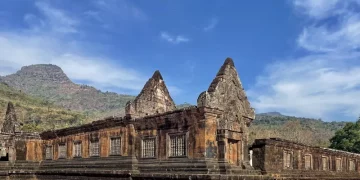
World Heritage Sites are a symbol of human achievement, cultural significance, and natural beauty. They are places of historical, cultural, scientific, or environmental importance that have been recognized by the United Nations Educational, Scientific and Cultural Organization (UNESCO). These sites span the globe, from ancient ruins to vibrant cities and from pristine wilderness areas to unique cultural landscapes. They offer travelers a unique opportunity to not only explore iconic landmarks but to deeply connect with the history, traditions, and stories that have shaped them.
Visiting a World Heritage Site is more than just a sightseeing experience; it is an opportunity to understand the narrative behind each monument, learn about the people who built them, and appreciate the ongoing preservation efforts that ensure their survival. This article explores some of the most celebrated World Heritage Sites, the historical and cultural significance behind them, and how visiting these sites can enhance our understanding of the world’s diverse cultures and histories.
1. What Makes a World Heritage Site?
To understand the importance of visiting a World Heritage Site, it is essential to first explore what qualifies a location for UNESCO’s prestigious designation. World Heritage Sites are selected based on strict criteria, emphasizing their cultural, historical, scientific, or natural value.
UNESCO’s Selection Criteria
UNESCO recognizes World Heritage Sites based on ten specific criteria, including:
- Criteria (i): Representing a masterpiece of human creative genius.
- Criteria (ii): Exhibiting an important interchange of human values over a span of time or within a cultural area.
- Criteria (iii): Bearing unique or exceptional testimony to a cultural tradition or to a civilization that is living or has disappeared.
- Criteria (iv): Offering outstanding examples of a type of building, architectural, or technological ensemble.
- Criteria (v): Being an outstanding example of a traditional human settlement or land use.
- Criteria (vi): Being directly or tangibly associated with events or living traditions, ideas, or beliefs of outstanding universal significance.
- Criteria (vii): Containing superlative natural phenomena or areas of exceptional natural beauty.
- Criteria (viii): Being outstanding examples of earth’s history, geological formations, or significant ongoing ecological and biological processes.
- Criteria (ix): Containing areas of exceptional biodiversity or natural ecosystems.
- Criteria (x): Being home to significant and threatened species of animals, plants, or ecosystems.
Each site is carefully evaluated by experts and selected for its exceptional universal value, making it a destination that not only offers breathtaking beauty but also a deep connection to human history and natural heritage.
2. Historical Significance of World Heritage Sites
World Heritage Sites are often the product of centuries of human effort, and each one carries a story of its creation, its cultural importance, and the people who lived around it. These sites are witnesses to the evolution of human civilizations and offer a window into the past, allowing visitors to trace the development of societies, art, architecture, and technology.
Ancient Civilizations and Architectural Marvels
Many World Heritage Sites date back to ancient civilizations, showcasing the ingenuity of early human societies in fields like architecture, urban planning, and engineering. These sites are not just physical landmarks; they are symbols of the intellectual and artistic achievements of the cultures that created them.
- The Great Wall of China: A monumental feat of engineering, the Great Wall stretches over 13,000 miles and was built over several dynasties to protect Chinese states from nomadic invasions. Its walls, watchtowers, and fortifications tell the story of China’s long-standing efforts to defend its territory and preserve its cultural heritage.
- The Pyramids of Giza, Egypt: The three massive pyramids in Giza, especially the Great Pyramid of Khufu, are one of the Seven Wonders of the Ancient World. These structures, built as tombs for pharaohs, demonstrate the advanced architectural and mathematical skills of ancient Egyptians.
- Machu Picchu, Peru: This 15th-century Inca citadel, perched high in the Andes, offers a glimpse into the sophisticated engineering, agriculture, and religious practices of the Inca Empire. Its preservation is a testament to the power of Inca civilization, and it remains one of the most significant archaeological sites in the Americas.
Cultural Landscapes and Traditions
Some World Heritage Sites are not individual monuments but rather entire regions that embody unique cultural landscapes or living traditions. These sites highlight the harmonious relationship between humans and nature, as well as the preservation of cultural practices over generations.
- The Historic Centre of Florence, Italy: Florence is a city of unparalleled artistic and architectural significance, home to some of the most famous works of art and masterpieces of the Renaissance. The city’s historic center, with its stunning churches, museums, and piazzas, reflects the city’s deep connection to cultural and artistic heritage.
- The Cultural Landscape of Bali Province, Indonesia: Bali’s terraced rice paddies and intricate water temple systems are an example of the island’s traditional agricultural practices, which have been developed and perfected over centuries. The landscape, shaped by both human intervention and natural forces, is a living example of the cultural integration between people and their environment.
3. The Cultural Importance of World Heritage Sites
Beyond their historical significance, World Heritage Sites play a vital role in the preservation and promotion of cultural identities. For many communities, these sites represent more than just a tourist attraction—they are repositories of heritage and tradition, often linked to religious beliefs, social practices, and cultural values.
Preserving Cultural Identity
Visiting World Heritage Sites allows travelers to understand the cultural significance of these places to the local people. Many of these sites are not just static monuments; they are actively used for cultural and religious purposes, providing insight into the traditions that continue to thrive.
- The Temple of Angkor Wat, Cambodia: Angkor Wat, the largest religious monument in the world, is a symbol of Cambodia’s spiritual heritage and national identity. The temple complex, originally built as a Hindu temple and later converted to a Buddhist one, continues to be a center of religious and cultural life for Cambodians.
- The Historic Areas of Istanbul, Turkey: The city of Istanbul, formerly known as Byzantium and Constantinople, holds a complex blend of Islamic, Christian, and Byzantine influences. Key landmarks such as the Hagia Sophia, Topkapi Palace, and the Blue Mosque showcase the city’s religious, cultural, and imperial past.
Cultural Exchange and Global Understanding
World Heritage Sites also serve as bridges for cultural exchange. When travelers visit these sites, they engage in a form of cultural diplomacy, learning about cultures different from their own and contributing to a global appreciation for heritage preservation. In an increasingly interconnected world, these shared spaces offer opportunities for dialogue and mutual respect among nations and cultures.
- The Old City of Jerusalem: A focal point for three major world religions—Judaism, Christianity, and Islam—Jerusalem’s historical sites represent the convergence of religious beliefs and cultural identities. Visiting such a site allows travelers to appreciate the city’s unique role in the spiritual and historical development of the world.
- The Galápagos Islands, Ecuador: The Galápagos Islands are not only a natural wonder but also a site of deep cultural significance, representing the intersection of human exploration and natural history. The islands’ biodiversity continues to inspire global efforts in environmental conservation and cultural awareness.
4. The Role of Tourism in Preserving World Heritage Sites
While visiting World Heritage Sites is an enriching experience, it also carries the responsibility of ensuring these treasures are preserved for future generations. Sustainable tourism practices are critical in balancing the needs of tourists with the preservation of cultural and natural heritage.
The Impact of Over-Tourism
Popular World Heritage Sites, such as the Great Wall of China, Machu Picchu, and the Colosseum in Rome, often face the challenge of over-tourism. Large numbers of visitors can place significant pressure on these sites, leading to environmental degradation, structural damage, and loss of authenticity. Responsible tourism practices are essential in ensuring that these sites remain intact for future generations.
- Management Strategies: Many UNESCO sites have implemented visitor management plans to mitigate the effects of over-tourism. This includes limiting the number of daily visitors, implementing entry fees, and regulating tourist activities. For example, Machu Picchu has introduced a timed-entry system to reduce overcrowding and minimize the ecological impact on the surrounding area.
Community Involvement and Sustainable Development
Local communities play a crucial role in the preservation of World Heritage Sites. Community-based tourism initiatives can empower local people, provide them with a sense of ownership over their cultural heritage, and create sustainable economic opportunities.
- Cultural Programs: Many World Heritage sites support cultural programs that educate visitors about the traditions and customs associated with the site. This can include guided tours, local artisan markets, traditional performances, and educational workshops that help visitors understand the cultural context of the site.
- Ecotourism and Conservation Efforts: In places like the Galápagos Islands and the Serengeti in Tanzania, ecotourism efforts are designed to minimize environmental impact while still offering travelers the opportunity to experience these incredible natural wonders.
5. Notable World Heritage Sites to Visit
Here are some of the most remarkable World Heritage Sites, each offering a unique window into history, culture, and human achievement:
- The Great Wall of China, China: An enduring symbol of China’s ancient history, this colossal structure stretches over 13,000 miles and offers a remarkable insight into the nation’s efforts at defense and unity.
- The Historic Centre of Prague, Czech Republic: With its cobbled streets, Gothic churches, and medieval buildings, Prague’s Old Town reflects the city’s rich architectural heritage and cultural history.
- The Alhambra, Spain: This Moorish palace and fortress complex in Granada is a masterpiece of Islamic architecture and a symbol of the historical influence of Islamic culture in Spain.
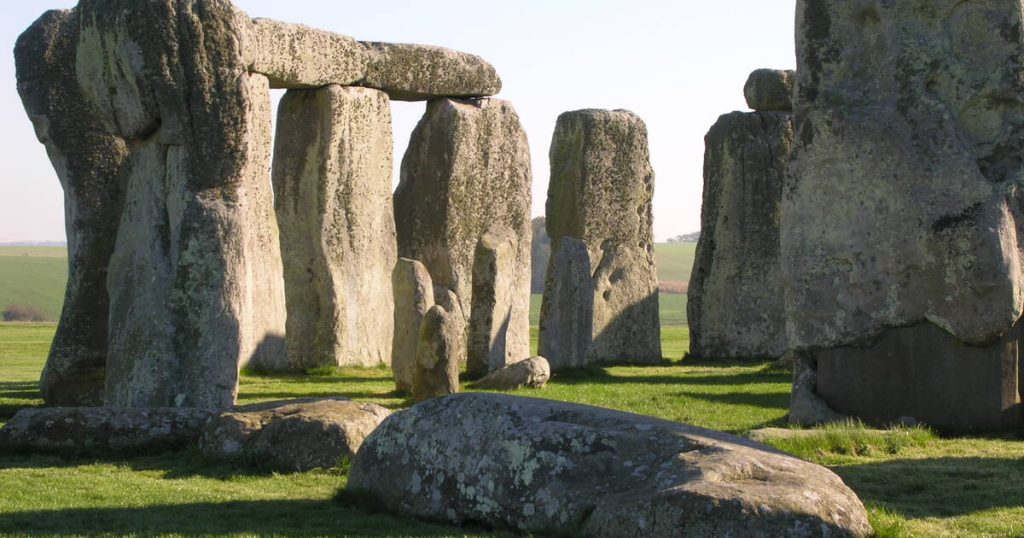
- Stonehenge, United Kingdom: One of the most famous prehistoric monuments in the world, Stonehenge continues to fascinate scholars and visitors alike with its mysterious origins and astronomical significance.
6. Conclusion
Visiting World Heritage Sites is a journey through time, culture, and human ingenuity. These sites are not just tourist attractions—they are living testaments to the shared history and diverse cultures that have shaped our world. By exploring these remarkable places, we not only gain insight into the past but also contribute to the preservation of our global heritage.
As travelers, it is important to approach these sites with respect and a sense of responsibility, understanding the significance of the monuments and the cultural narratives they embody. Through responsible tourism, we can ensure that future generations continue to benefit from the rich history and cultural diversity that World Heritage Sites represent.