








Introduction:
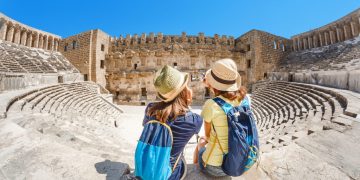
In recent years, cultural tourism has emerged as a dominant trend in the travel industry. More and more travelers are moving away from traditional tourist destinations and choosing to immerse themselves in the local cultures, histories, and traditions of the places they visit. This shift reflects a broader desire to experience the world not just through sightseeing, but through a deeper connection with the customs, art, and lifestyles of different regions.
Cultural tourism offers travelers a unique opportunity to engage with local communities, explore historical landmarks, partake in traditional festivals, and witness living cultural practices. As globalization continues to make the world more interconnected, the need for authentic, meaningful travel experiences has become more pronounced. This article explores the rise of cultural tourism, its significance, the types of cultural experiences travelers seek, and how it is shaping the future of the travel industry.
1. The Evolution of Cultural Tourism
The concept of cultural tourism is not new, but it has significantly evolved in recent decades. Historically, cultural tourism was often associated with classical art, museums, and grand architectural landmarks. However, with the increasing globalization and the rapid advancement of technology, travelers now seek more personalized, immersive experiences that go beyond the typical “tourist trap.”
Early Beginnings of Cultural Tourism
Cultural tourism dates back to ancient civilizations when people traveled for educational or spiritual purposes. The Grand Tour of Europe, a tradition among wealthy young men of the 17th and 18th centuries, is often considered one of the earliest forms of cultural tourism. These individuals traveled to cities like Rome, Paris, and Florence to witness the cultural and artistic achievements of the time.
Modern-Day Cultural Tourism
In the 21st century, cultural tourism has diversified into a wide range of interests and activities. With the rise of budget airlines, social media, and online travel agencies, travelers now have access to destinations that were once considered off-the-beaten-path. The digital age has given rise to a new type of traveler—one who is seeking authenticity, sustainability, and personal connection rather than just luxury or convenience.
2. The Appeal of Cultural Tourism
Several factors contribute to the growing popularity of cultural tourism. As travelers seek more meaningful and memorable experiences, cultural tourism offers numerous advantages over traditional sightseeing vacations.
Authenticity and Immersion
Unlike traditional mass tourism, which often revolves around visiting well-known landmarks, cultural tourism allows travelers to dive deeper into the local culture. Immersing oneself in local customs, participating in traditional festivals, and learning about the history and heritage of a destination provides a sense of authenticity that is hard to replicate.
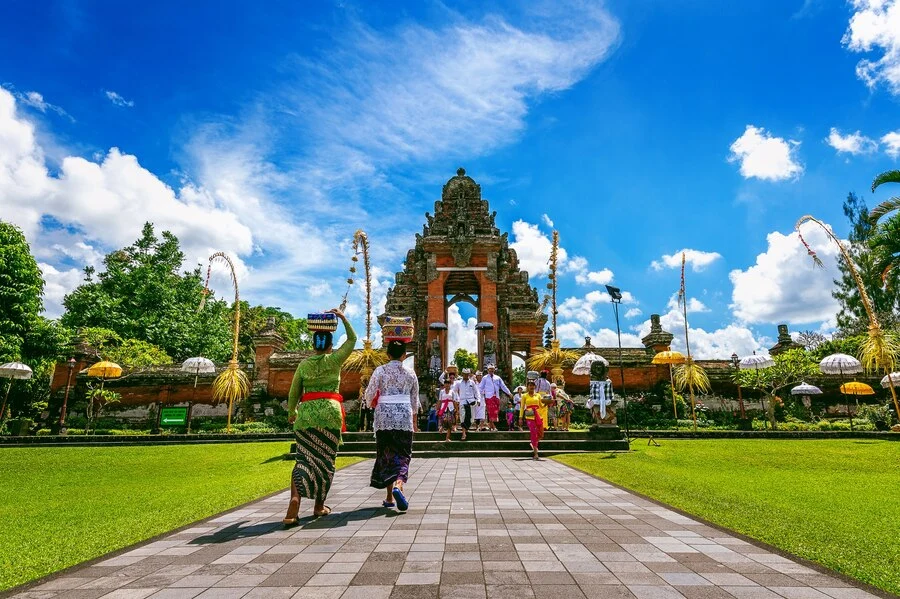
For example, participating in a tea ceremony in Japan, learning traditional dance in Bali, or staying with a local family in Morocco offers an experience that cannot be captured by simply visiting a tourist attraction. These authentic experiences create lasting memories and foster a deeper connection with the destination.
Education and Enrichment
Cultural tourism is inherently educational. It offers travelers the chance to expand their knowledge of history, art, music, cuisine, and social practices. Through cultural immersion, travelers gain a better understanding of the world and the diversity of human experiences.
Many travelers are drawn to cultural tourism because it allows them to enrich their lives through learning. Whether it’s through visiting ancient ruins, exploring local markets, or attending a performance of traditional music, cultural tourism enables individuals to appreciate the uniqueness of different cultures and the importance of preserving them.
Cultural Preservation and Sustainable Tourism
Cultural tourism plays an essential role in preserving and promoting local traditions and heritage. When travelers engage with local cultures in a respectful and meaningful way, they contribute to the economic sustainability of the region. This form of tourism often supports local artisans, musicians, and cultural practitioners, helping to keep age-old traditions alive.
Moreover, by prioritizing cultural heritage and historical preservation, travelers help to protect the sites, practices, and crafts that define a place’s identity. Sustainable cultural tourism encourages responsible travel behaviors, where travelers are conscious of their impact on the environment and communities.
3. Types of Cultural Tourism Experiences
Cultural tourism can encompass a wide variety of experiences, depending on the traveler’s interests and the destination. Below are some of the most popular types of cultural tourism:
Historical and Heritage Tourism
One of the most common forms of cultural tourism is historical tourism. Travelers visit cities, landmarks, and monuments to explore the rich history of a region. From ancient ruins to colonial architecture, historical tourism allows people to step back in time and experience the cultural evolution of a destination.
Examples:
- The Pyramids of Giza, Egypt: A marvel of ancient Egyptian civilization, drawing travelers interested in history, archaeology, and ancient cultures.
- The Colosseum, Rome: A symbol of ancient Roman engineering and gladiatorial combat, attracting history buffs from all over the world.
Ethnographic and Indigenous Tourism
Ethnographic tourism focuses on the cultures, customs, and traditions of indigenous communities. This form of cultural tourism offers travelers the opportunity to learn about indigenous ways of life, their spiritual beliefs, and their relationship with the natural environment.
Travelers who engage in ethnographic tourism often have the chance to meet local artisans, learn traditional crafts, or participate in cultural rituals. It’s important for these experiences to be conducted in a respectful and sustainable manner, ensuring that the local communities benefit from tourism.
Examples:
- The Maasai Mara, Kenya: Travelers can engage with the Maasai people, learning about their traditions and way of life while supporting local communities through responsible tourism.
- The Navajo Nation, USA: Offering a chance to explore the rich cultural heritage and history of the Navajo people through guided tours and cultural experiences.
Art and Music Tourism
Art and music are integral aspects of any culture. Art tourism includes visiting galleries, museums, and public installations to appreciate the work of local artists. Music tourism can involve attending festivals, performances, or workshops to explore a destination’s musical traditions.
Examples:
- The Venice Biennale, Italy: One of the world’s most prestigious art exhibitions, drawing art lovers and cultural enthusiasts to experience contemporary art from across the globe.
- The Salzburg Festival, Austria: A world-renowned music festival celebrating classical music and opera, attracting visitors interested in the region’s musical heritage.
Culinary Tourism
Culinary tourism, also known as food tourism, focuses on the exploration of a region’s culinary traditions. Food is an essential part of any culture, and tasting local dishes offers travelers a unique and immersive way to experience a destination’s heritage.
Examples:
- Tokyo, Japan: A hub for food lovers, where visitors can explore sushi-making traditions, ramen culture, and a variety of street food experiences.
- Tuscany, Italy: Known for its wine tours and olive oil tastings, where travelers can connect with the region’s deep culinary roots.
4. The Role of Technology in Cultural Tourism
Technology has significantly transformed the way travelers engage with culture. With the rise of digital platforms, social media, and virtual experiences, travelers now have more tools than ever to explore and learn about different cultures before and during their trips.
Virtual and Augmented Reality Experiences
Virtual and augmented reality (VR and AR) are revolutionizing the cultural tourism sector by providing immersive digital experiences. These technologies allow travelers to explore historical sites or cultural landmarks virtually, offering a new way to experience destinations that may be physically inaccessible or require a more interactive experience.
Examples:
- Google Arts & Culture: Offering virtual tours of famous museums, galleries, and landmarks around the world, allowing users to explore art and history from the comfort of their homes.
- VR Heritage Sites: Many museums and historical sites are incorporating VR to allow visitors to experience the past in a highly interactive way.
Social Media and Cultural Discovery
Platforms like Instagram, YouTube, and Pinterest have become powerful tools for cultural discovery. Travelers now rely on social media influencers, travel blogs, and user-generated content to find hidden cultural gems and experiences.
The rise of travel influencers has democratized the discovery of unique cultural experiences, helping to highlight lesser-known destinations and local traditions that might otherwise remain hidden.
5. Challenges of Cultural Tourism
While cultural tourism offers numerous benefits, it is not without its challenges. Some of the most pressing issues facing cultural tourism include:
Overtourism
Overtourism occurs when too many travelers visit a particular cultural site, leading to overcrowding and damage to the local environment or cultural heritage. Popular destinations such as Venice, Barcelona, and Kyoto have been grappling with the negative effects of overtourism, which can diminish the authenticity of cultural experiences and harm local communities.
Cultural Appropriation
Cultural appropriation is a sensitive issue in cultural tourism. It refers to the adoption or use of elements of one culture by individuals or groups from another culture, often without understanding or respect for its significance. Travelers must be mindful of the cultural context and avoid exploiting or disrespecting local traditions.
Sustainability and Ethical Tourism
Cultural tourism must be managed in a way that benefits both the local community and the environment. Sustainable cultural tourism emphasizes responsible travel practices, such as reducing environmental impact, supporting local artisans, and ensuring that cultural practices are preserved for future generations.
6. Conclusion: The Future of Cultural Tourism
Cultural tourism is set to remain a dominant trend in the travel industry, offering meaningful and enriching experiences for travelers seeking more than just leisure. As cultural awareness continues to grow, travelers will increasingly prioritize destinations that provide authentic, immersive, and sustainable experiences.
To ensure the long-term viability of cultural tourism, it is crucial for both travelers and destinations to embrace responsible tourism practices that respect and protect the unique cultures and traditions that make our world so diverse. By doing so, we can create a future where cultural tourism continues to thrive, benefiting both travelers and local communities alike.