






Introduction:
Festivals are more than just events—they are living, breathing reflections of a region’s culture, history, values, and traditions. Throughout the world, each community celebrates in its own distinct way, providing travelers with the opportunity to participate in an immersive experience that goes beyond typical sightseeing. From the exuberant Carnival of Brazil to the solemnity of Japan’s Obon Festival, unique celebrations offer a window into the soul of a place, allowing visitors to witness how locals honor their heritage, connect with their communities, and express shared identities.
Participating in a local festival can be one of the most enriching aspects of travel. It allows visitors to experience first-hand the passion, creativity, and spirituality of the people who host these celebrations. This article explores the significance of cultural festivals, the types of festivals one can experience, and why attending these events can enhance our understanding of the world and foster a deeper connection with the places we visit.
1. The Importance of Festivals in Global Culture
Festivals play a vital role in every society, often marking the passage of time through seasonal changes, religious observances, historical anniversaries, or cultural expressions. They serve as a form of collective memory, preserving traditions and stories passed down through generations, while also adapting to the modern world.
Cultural Preservation through Festivals
Festivals are essential for the preservation of cultural traditions. Many of the world’s most famous festivals are rooted in centuries-old customs, which would otherwise risk being forgotten in the face of modernity. In many cases, festivals ensure that ancient rituals and practices continue to thrive and evolve, providing new generations with a tangible connection to their ancestors.
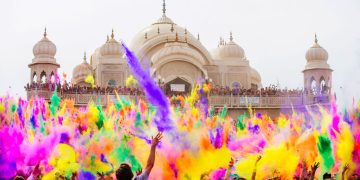
For example, Diwali in India is not only a time of celebration but also a deeply spiritual festival that carries centuries of cultural and religious significance. Similarly, Chinese New Year, marked by intricate dragon dances, feasts, and family gatherings, keeps alive traditional customs that have been celebrated for over two millennia.
Festivals as a Medium for Cultural Exchange
Festivals also facilitate cultural exchange, where visitors can interact with locals, share stories, and gain new insights into other ways of life. This exchange fosters mutual understanding and respect, and when celebrated globally, it strengthens the bonds between cultures. For example, Oktoberfest in Germany, traditionally a local Bavarian beer festival, has now become a global event, welcoming millions of visitors from around the world who celebrate together, sharing a love for food, music, and German heritage.
Festivals as a Symbol of Community and Belonging
Festivals are often a reflection of community spirit. Whether it’s a small village’s harvest festival or a national event like Brazil’s Carnival, the energy and enthusiasm felt by the crowd are contagious. These celebrations are opportunities for communities to come together, celebrate shared values, and reinforce social bonds. Participating in such events allows travelers to connect with locals in a way that ordinary tourism cannot replicate.
2. Types of Festivals Around the World
Festivals can be broadly classified into several categories, each with its own cultural, religious, or historical significance. Whether celebrating seasonal changes, historical milestones, or religious observances, each type of festival offers something unique. Below are some of the major categories of festivals and examples from around the world:
Religious Festivals
Religious festivals are a cornerstone of many cultures and are often centered around specific deities, saints, or sacred events. These celebrations provide insight into the beliefs and practices of a community, making them an excellent way to engage with local culture.
- Diwali – India: Known as the Festival of Lights, Diwali is one of the most important Hindu festivals, celebrated by millions worldwide. The festival marks the victory of light over darkness and good over evil, featuring colorful decorations, firecrackers, and family gatherings.
- Eid al-Fitr – Global (Islamic): Eid marks the end of Ramadan, a month of fasting observed by Muslims around the world. The festival is characterized by prayers, feasts, and the giving of charity, signifying the communal spirit of Islam.
- Passover – Israel: This Jewish festival commemorates the liberation of the Israelites from Egyptian slavery. Traditional rituals, such as the Seder meal, storytelling, and symbolic foods, provide visitors with a deep cultural and spiritual experience.
Seasonal and Agricultural Festivals
Seasonal festivals often celebrate the changing of the seasons or the harvest. These festivals are deeply connected to the agricultural cycles and are an expression of gratitude to the earth for its abundance.
- Harvest Festival – China: Held in autumn, the Chinese Harvest Festival celebrates the year’s agricultural bounty. It is a time of thanksgiving, marked by feasts, traditional performances, and family reunions.
- Thanksgiving – United States and Canada: Celebrated on the fourth Thursday of November in the U.S. and the second Monday in October in Canada, Thanksgiving is a time for families to come together, share a meal, and give thanks for the blessings of the past year.
- Lunar New Year – China and Southeast Asia: Also known as the Spring Festival, Lunar New Year is celebrated with family gatherings, festive meals, and traditional performances, marking the beginning of a new lunar calendar.
Historical and Cultural Festivals
These festivals celebrate significant historical events, cultural heritage, and the artistic achievements of a community. They offer a rich understanding of a region’s history and the people’s pride in their heritage.
- Carnival – Brazil: Arguably one of the most famous festivals in the world, Brazil’s Carnival is a celebration of music, dance, and flamboyant costumes. It is rooted in Catholic tradition but is now a national celebration of Brazilian culture, particularly samba music and dance.
- Oktoberfest – Germany: Held annually in Munich, this festival celebrates Bavarian culture with beer, traditional foods, and lively folk music. Oktoberfest has evolved into a global event, with festivities now held in cities worldwide.
- Edinburgh Festival Fringe – Scotland: The world’s largest arts festival, the Edinburgh Festival Fringe features thousands of performances ranging from theater to comedy, attracting artists and audiences from around the globe.
Festivals of Light and Fire
Many cultures celebrate light and fire as symbols of hope, purity, and spiritual significance. These festivals are often visually stunning and create a sense of awe for participants and visitors alike.
- Las Fallas – Spain: Held in Valencia, this fiery festival culminates in the burning of large sculptures made of wood and papier-mâché. The festival celebrates the arrival of spring and the triumph of fire over the cold winter months.
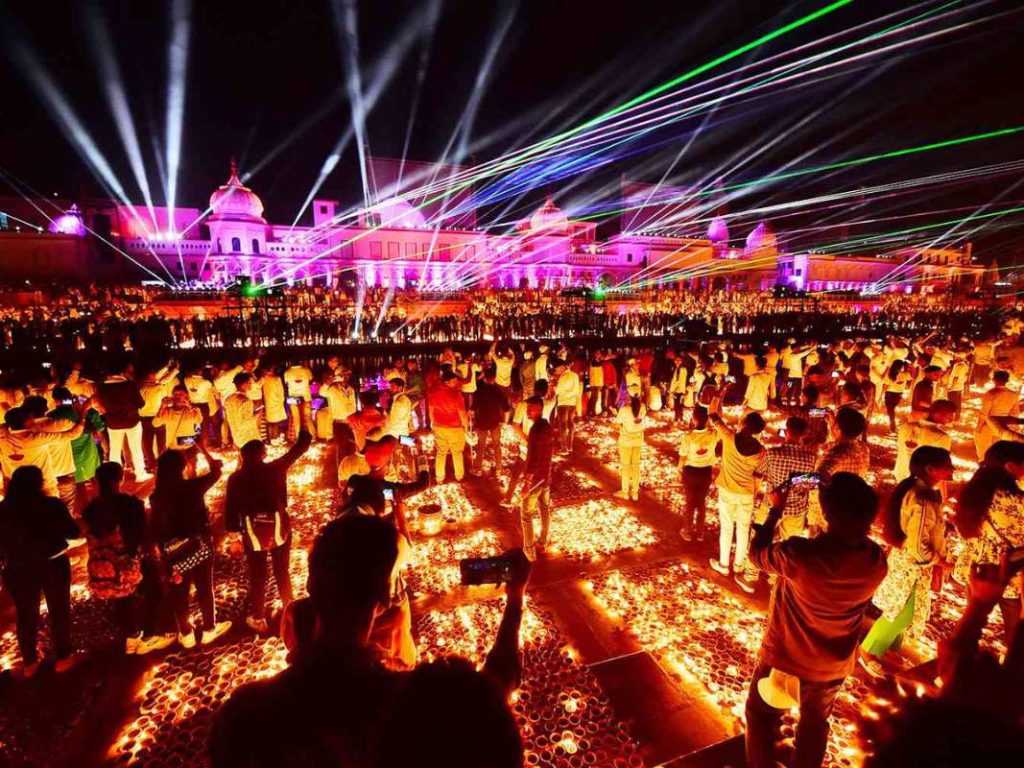
- Diwali – India: Again, Diwali is worth mentioning here for its focus on lighting oil lamps and bursting fireworks to mark the victory of good over evil.
- St. John’s Festival – Brazil: Celebrated during the June solstice, this festival involves bonfires, fireworks, and dancing, signifying the transition of seasons in Brazil’s northeast.
Music and Dance Festivals
For many cultures, music and dance are the ultimate forms of celebration. These festivals offer travelers the chance to learn about local rhythms, styles, and instruments.
- Glastonbury Festival – United Kingdom: Known for its eclectic mix of music genres, Glastonbury is one of the largest and most influential music festivals in the world, featuring everything from rock to electronic to folk music.
- Montreal International Jazz Festival – Canada: The largest jazz festival in the world, this event draws performers and attendees from around the globe to celebrate jazz and other musical genres.
- Bali Arts Festival – Indonesia: This month-long festival celebrates Bali’s rich cultural heritage with traditional dance, music, art exhibitions, and theater performances.
3. The Benefits of Participating in Festivals
Attending and participating in festivals offers numerous benefits beyond entertainment and cultural exposure. These experiences provide travelers with opportunities to connect with locals, learn new traditions, and gain insights into the daily lives of people from different cultures.
Cultural Immersion
Festivals offer travelers an opportunity to go beyond passive observation and actively engage with local customs. Whether participating in a dance, sharing a meal, or helping to build a procession float, festival-goers can take part in a meaningful, hands-on cultural experience that deepens their understanding of the region.
Sense of Community and Belonging
Festivals often emphasize collective participation. Being part of the crowd, whether it’s dancing through the streets of Rio during Carnival or sitting in the circle for a traditional Japanese tea ceremony, creates a sense of connection and shared joy. These experiences break down barriers and allow visitors to feel part of something larger than themselves.
Learning and Personal Growth
Festivals are also great opportunities for personal growth. Travelers can step outside their comfort zones, whether it’s trying new foods, wearing traditional clothing, or learning a new dance. These experiences broaden one’s perspectives and enrich life with new skills and memories.
Support for Local Economies and Cultural Preservation
By attending local festivals, tourists directly contribute to the local economy and the preservation of traditional cultural practices. This sustainable tourism helps ensure that festivals continue to thrive while benefiting local artisans, performers, and service providers.
4. How to Make the Most of Festival Experiences
While attending a festival is exciting, there are several ways to enhance the experience and ensure that it is meaningful, respectful, and enjoyable.
Research and Respect Local Customs
Before attending any festival, it’s important to research the event and understand the cultural significance of the activities you’ll be participating in. Some festivals may have specific customs or etiquette that visitors should observe. For example, Diwali in India involves lighting lamps and offering prayers, and it’s important to follow the practices respectfully.
Be Prepared for Crowds and Logistics
Festivals, especially large ones, can be crowded and require careful planning. Make sure to book accommodations early, plan your transportation, and arrive with a sense of flexibility. For example, Carnival in Brazil is known for its massive crowds, so advanced planning is crucial to ensure a smooth experience.
Engage with Locals
One of the best ways to truly experience a festival is by engaging with the locals. Ask questions, learn the customs, and, if appropriate, participate in activities. Local guides, artisans, and performers often welcome the chance to share their traditions and stories with visitors.
5. Conclusion
Festivals are a reflection of humanity’s shared joy, creativity, and cultural identity. They provide travelers with an unparalleled opportunity to dive deeper into the culture of a place, to connect with people on a personal level, and to witness traditions that have been passed down through generations. Whether it’s the exuberant energy of Carnival, the spiritual introspection of Obon, or the lively celebrations of Oktoberfest, every festival is a gateway to understanding a community’s heart and soul.
Participating in these festivals enriches the travel experience, offering memories that will last a lifetime. It is through these celebrations that we can appreciate the diversity and beauty of our world, fostering mutual respect, cultural appreciation, and global understanding.